Key Takeaways
-
Florida data shows 25.3% of students felt sad or hopeless for extended periods in 2025, with 11.2% reporting self-harm; early counseling access in Brandon can help prevent crisis situations.
-
Teen counseling in Brandon offers five key options: individual therapy (CBT, DBT), family therapy to rebuild communication, convenient telehealth sessions, specialized trauma/ADHD support, and intensive programs (IOP, PHP) for severe cases.
-
When selecting a teen counselor, verify they're licensed in Florida with adolescent experience, use evidence-based methods, accept your insurance (West Florida Therapy accepts Aetna, Cigna, Florida Blue, Optum, Oscar, United), and offer confidentiality clarity.
-
Seek immediate crisis intervention if your teen mentions suicide, self-harms, shows sudden behavioral changes, or stops eating/sleeping/attending school—don't wait for a scheduled appointment.
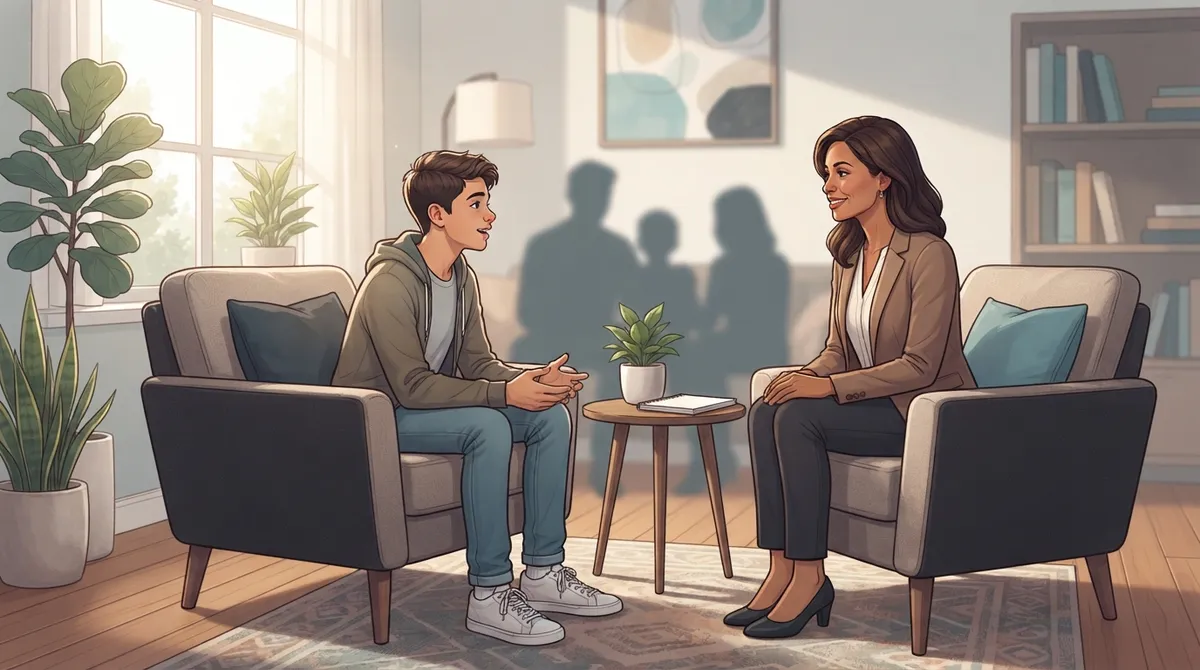
If you’re a parent in Brandon watching your teenager struggle, you know how scary it feels. Maybe your teen seems sad all the time. Maybe school is causing panic attacks. Maybe conversations at home have turned into constant arguments. You’re not alone, and you don’t have to figure this out by yourself. Teen counseling in Brandon, Florida offers real help for real families, right here in your community.
Florida’s own numbers tell a sobering story. In 2025, Mental Health Links data showed that 25.3% of students felt sad or hopeless for two or more weeks straight, so long that they stopped doing things they normally enjoyed. Even more troubling, 11.2% of students reported hurting themselves on purpose. These aren’t just statistics. They represent real teenagers in Brandon, Tampa, and across Florida who need support.
The good news? Help is closer than you think. This guide walks you through five key options and considerations for teen counseling in Brandon, so you can make a confident, informed choice for your family.
Why Teen Counseling Matters More Than Ever
Teenagers today face pressures that didn’t exist a generation ago. Social media comparison, academic stress, and family conflict can pile up fast. According to Florida Health Charts, the state saw 14,236 emergency-department visits for mental disorders among kids ages 0-17 in 2025 alone. That’s a rate of over 318 per 100,000 young people.
Sadly, most teens don’t ask for help even when they’re struggling. An OPPAGA report found only 31% of students sought support when facing a mental-health challenge. This gap is exactly why accessible, teen-friendly counseling matters so much in communities like Brandon.
At West Florida Therapy, licensed psychotherapist Margaret Deuerlein understands these pressures firsthand. She works with adolescents and their families to build coping skills, restore communication, and help teens feel understood again. Her approach is warm, practical, and centered on what your teen actually needs, not a one-size-fits-all script.
1. Individual Therapy for Anxiety, Depression, and Self-Esteem
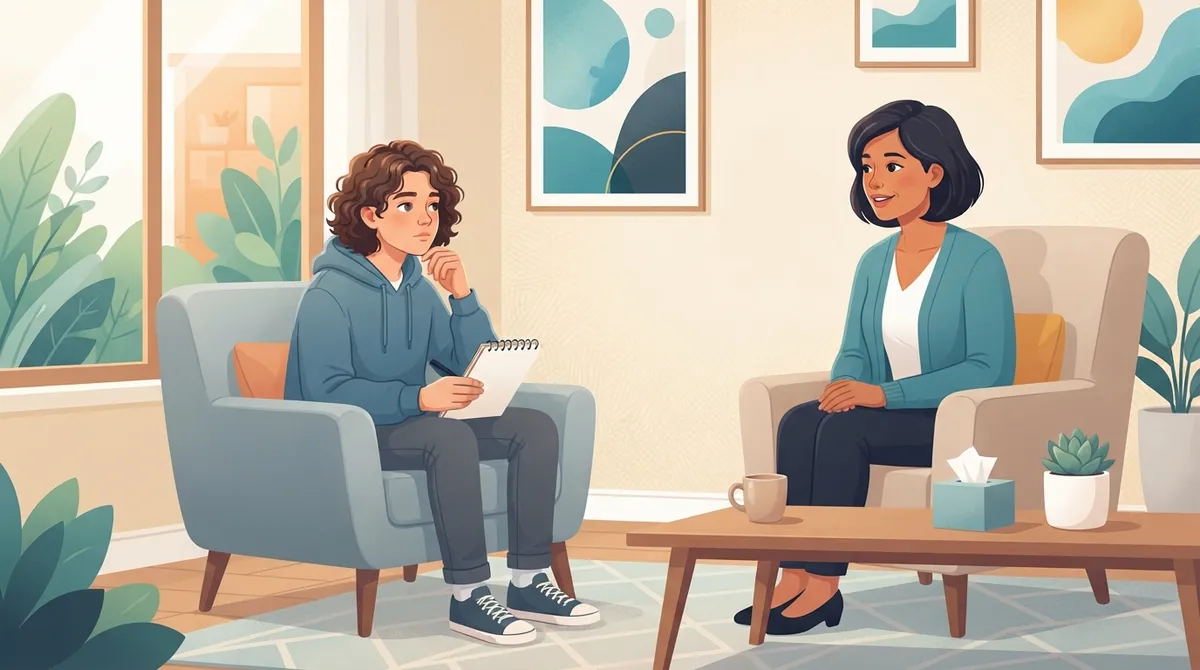
One-on-one counseling gives your teen a private space to talk without judgment. This is often the starting point for teens dealing with anxiety, depression, or low self-worth.
Individual therapy typically uses evidence-based approaches such as:
- Cognitive behavioral therapy (CBT) to challenge negative thought patterns
- Dialectical behavior therapy (DBT) skills for emotional regulation
- Trauma-focused therapy for teens who’ve experienced difficult events
- Motivational interviewing to build internal motivation for change
Margaret Deuerlein tailors these methods to fit each teenager’s personality and comfort level. Some teens open up quickly. Others need time to trust the process, and that’s okay. Learn more about understanding anxiety signs, types, and treatment options to see how therapy can help your teen specifically.
2. Family Therapy to Rebuild Connection
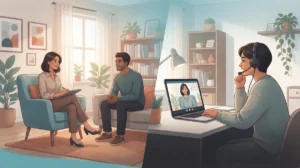
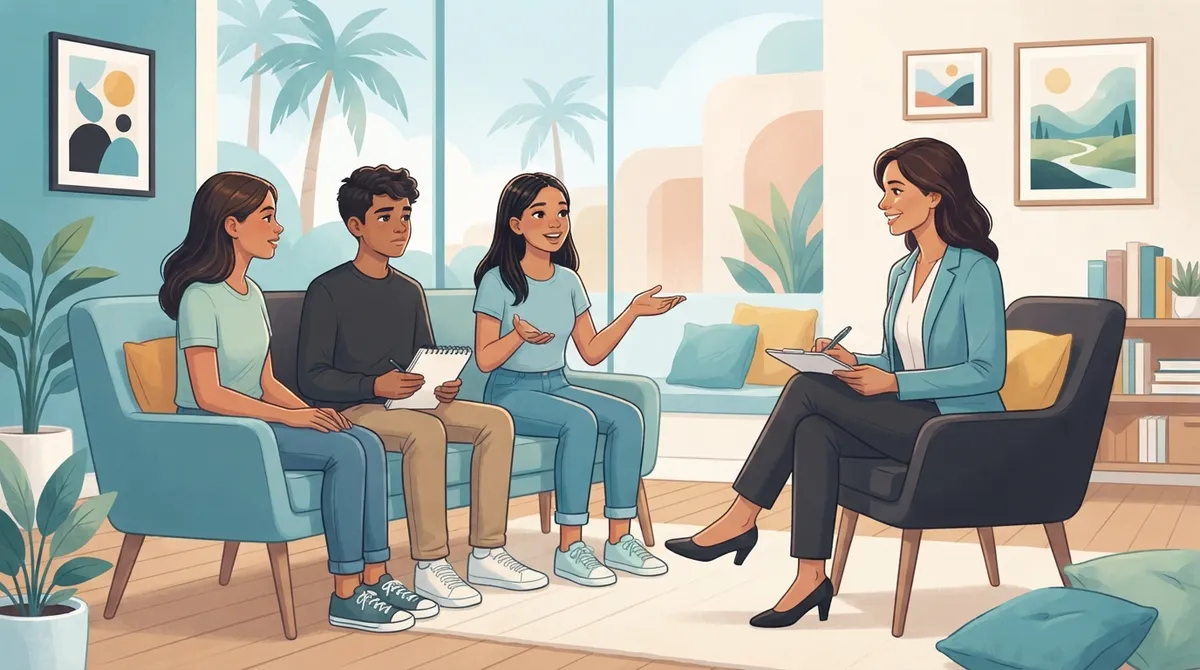
Sometimes the whole family needs support, not just the teenager. Family therapy brings parents and teens together to improve communication, reduce conflict, and rebuild trust.
This approach works well when:
- Arguments at home have become frequent or intense
- Parents feel disconnected from their teen’s inner life
- Divorce, remarriage, or a major life change has disrupted family stability
- Siblings are affected by one teen’s mental-health struggles
Family sessions aren’t about placing blame. They’re about creating a home where everyone feels heard. West Florida Therapy offers this kind of guided, structured support so families in Brandon can move forward together.
3. Telehealth Counseling for Busy Teen Schedules
Between school, sports, and social life, getting a teenager to an office appointment can feel impossible. That’s where virtual therapy comes in.
Telehealth counseling lets teens attend sessions from home, using a phone, tablet, or computer. It’s private, convenient, and just as effective as in-person care for many concerns. West Florida Therapy provides telehealth therapy across Florida, meaning your teen can get consistent support even during busy exam weeks or family travel.
If you’re curious how this format works for younger clients, check out this piece on virtual therapy for adolescents in Brandon, FL. It breaks down what a typical session looks like and how privacy is protected.
4. Specialized Support for Trauma, ADHD, and Behavioral Concerns
Not every teen struggle looks the same. Some teens carry the weight of past trauma. Others manage ADHD alongside anxiety or mood swings that seem to come out of nowhere. Specialized counseling addresses these overlapping challenges with targeted strategies.
Common combined concerns counselors see in teens include:
| Concern | How Counseling Helps |
|---|---|
| Trauma & anxiety | Processing past events safely while building coping tools |
| ADHD & social anxiety | Improving focus while reducing fear of judgment |
| Depression & family conflict | Addressing mood while repairing home relationships |
| Grief & school stress | Working through loss while managing academic pressure |
For a deeper look at trauma-specific care, read about how to recognize and heal from psychological trauma. If ADHD is part of the picture, this article on why ADHD and anxiety often appear together offers helpful context.
5. Higher Levels of Care: IOP, PHP, and Residential Treatment
Sometimes standard outpatient counseling isn’t enough. When a teen’s safety, functioning, or daily life is seriously affected, higher levels of care may be necessary.
Here’s a simple breakdown of what’s available in the broader Tampa Bay area:
- Outpatient therapy: Weekly or biweekly sessions, best for mild to moderate concerns
- Intensive Outpatient Programs (IOP): Several sessions per week, often for substance use or co-occurring conditions
- Partial Hospitalization Programs (PHP): Full-day treatment while the teen returns home at night
- Residential treatment: 24-hour care for teens facing severe safety risks or crisis situations
For example, Phoenix House Florida offers outpatient and intensive outpatient care for teens ages 13-17 dealing with substance use and co-occurring mental-health conditions, with a Brandon location on Vonderburg Drive. It’s important to confirm whether a program is physically located in Brandon or serves the area remotely, since details and availability can shift.
How to Choose the Right Teen Counselor in Brandon
Picking a therapist for your teenager is a big decision. Here are the key things to check before scheduling that first appointment:
- Does the therapist have specific experience working with adolescents?
- Are they licensed and in good standing in Florida?
- What evidence-based methods do they use?
- How do they handle confidentiality and parental updates?
- What happens if there’s a crisis outside of session hours?
- Do they offer in-person, telehealth, or both formats?
- What are the costs, and do they accept your insurance?
West Florida Therapy accepts several major insurance providers, including Aetna, Cigna, Florida Blue, Optum, Oscar, and United Health Care. Out-of-pocket options are also available for families who prefer added privacy and flexibility. You can review payment options before your first visit to avoid any surprises.
What Makes West Florida Therapy Different for Teens and Families
Margaret Deuerlein brings genuine warmth and clinical skill to every session with adolescents. She understands that teens don’t always want to talk, and that’s fine. Her approach meets them where they are, building trust gradually while still moving toward real progress.
Families also appreciate that services are bilingual, offered in both English and Spanish. This matters for Hispanic families in Brandon who want their teen to feel fully understood, without language getting in the way of healing. Learn more about her background on the About Margaret Deuerlein page.
Sessions are available in-person at the Brandon office or virtually anywhere in Florida, giving families flexibility around school and work schedules. You can read more about in-person therapy in Brandon, Florida to see what a visit looks like.
When to Seek Help Right Away
Some situations require immediate action, not just scheduling a future appointment. Contact a crisis line, pediatrician, or emergency service right away if your teen:
- Talks about wanting to die or not wanting to be alive
- Has hurt themselves or shows new signs of self-harm
- Shows a sudden, dramatic change in behavior or mood
- Is using drugs or alcohol in a way that feels dangerous
- Has stopped eating, sleeping, or attending school entirely
Florida hospitalization data shows 29,580 hospitalizations for mental disorders among youth ages 0-17 in 2025 alone. This is a reminder that early support truly can prevent a crisis from getting worse. Resources like the CDC’s mental health resources and Florida’s Substance Abuse & Mental Health programs can offer additional guidance for families navigating an urgent situation.
Taking the First Step Together
Reaching out for teen counseling doesn’t mean something is wrong with your family. It means you’re paying attention, and that already puts your teen ahead. Whether your child needs support for anxiety, family conflict, trauma, or something else entirely, help is available right here in Brandon.
Many families find it reassuring to see what others have experienced. You can visit us on Google — West Florida Therapy to read real reviews from local clients before making your decision.
Every teenager deserves to feel heard, supported, and hopeful about their future. Margaret Deuerlein and the team at West Florida Therapy are ready to walk alongside your family through this season. If you’re ready to take that first step, reach out to schedule your free 15-minute consultation today. Your teen’s brighter days can start with one simple conversation.
FAQs
Q: What is the best teen counselor in Brandon, Florida?
A: The best fit really depends on your teen’s specific needs and personality. Look for someone licensed with adolescent experience, like Margaret Deuerlein at West Florida Therapy, who offers bilingual, warm, and evidence-based care both in-person and via telehealth.
Q: How much does teen counseling cost in Brandon, FL, and does insurance cover it?
A: Costs vary by provider and session type, but many practices accept insurance to help lower out-of-pocket expenses. West Florida Therapy works with Aetna, Cigna, Florida Blue, Optum, Oscar, and United Health Care, plus flexible out-of-pocket rates for families who prefer added privacy.
Q: What types of problems can adolescent therapy help with?
A: Teen therapy can help with anxiety, depression, trauma, ADHD, grief, family conflict, self-esteem issues, and behavioral concerns. It’s really a flexible tool that adapts to whatever your teen is facing at the moment.
Q: Can teenagers receive confidential counseling in Florida, and what information must parents be told?
A: Yes, teens generally have a right to confidential sessions, though therapists must share safety concerns like risk of self-harm with parents. It’s a good idea to ask your specific therapist about their exact confidentiality policy before starting.
Q: What should parents do if a teenager is suicidal, self-harming, or experiencing a mental-health crisis?
A: Reach out immediately to a crisis line, pediatrician, or emergency room, don’t wait for a scheduled appointment. Once your teen is safe, connecting with an ongoing counselor is the next important step toward long-term healing.