

Key Takeaways
-
CBT reduces postpartum depression symptoms with strong research backing: studies involving nearly 9,700 participants found meaningful symptom reduction, with a 30% relative reduction in depression risk at 24 weeks or longer compared to standard care.
-
CBT provides practical, actionable tools you can use immediately at home, including thought records, behavioral activation, problem-solving techniques, relaxation exercises, and sleep hygiene strategies designed to fit into a busy, sleep-deprived life.
-
Online and telehealth CBT is effective for postpartum depression: a 2025 review of 3,689 women found that guided online programs lasting at least 9 weeks with professional support significantly improved symptoms.
-
Most new moms complete 8-12 CBT sessions for mild-to-moderate postpartum depression, offering a clear beginning, middle, and end with regular check-ins and adjustments based on your unique severity and response.
-
CBT addresses both depression and the anxiety, racing thoughts, and safety worries that often accompany postpartum depression, treating symptoms as an interconnected whole rather than isolated issues.
-
Seek emergency help immediately if you experience thoughts of harming yourself or your baby, hearing voices, severe confusion, extreme mood swings, or complete inability to function—these symptoms require urgent professional support beyond CBT.
Bringing home a new baby is supposed to feel joyful. But if you’re a new mom in Florida feeling weepy, numb, anxious, or just not like yourself, you are not alone, and you are not broken. Postpartum depression (PPD) touches so many families, and the good news is that real, proven help exists. Cognitive behavioral therapy, or CBT, is one of the most researched and trusted treatments for postpartum depression today. This article breaks down 11 clear, practical ways CBT can support you through this season, so you can start feeling like yourself again.
At West Florida Therapy, we know how isolating postpartum depression can feel. Whether you’re a first-time mom in Brandon or a Spanish-speaking parent looking for bilingual support anywhere in Florida, this guide is written for you. Let’s walk through what CBT for postpartum depression actually looks like and how it can help you find your footing again.
1. CBT Helps You Understand What Postpartum Depression Really Is
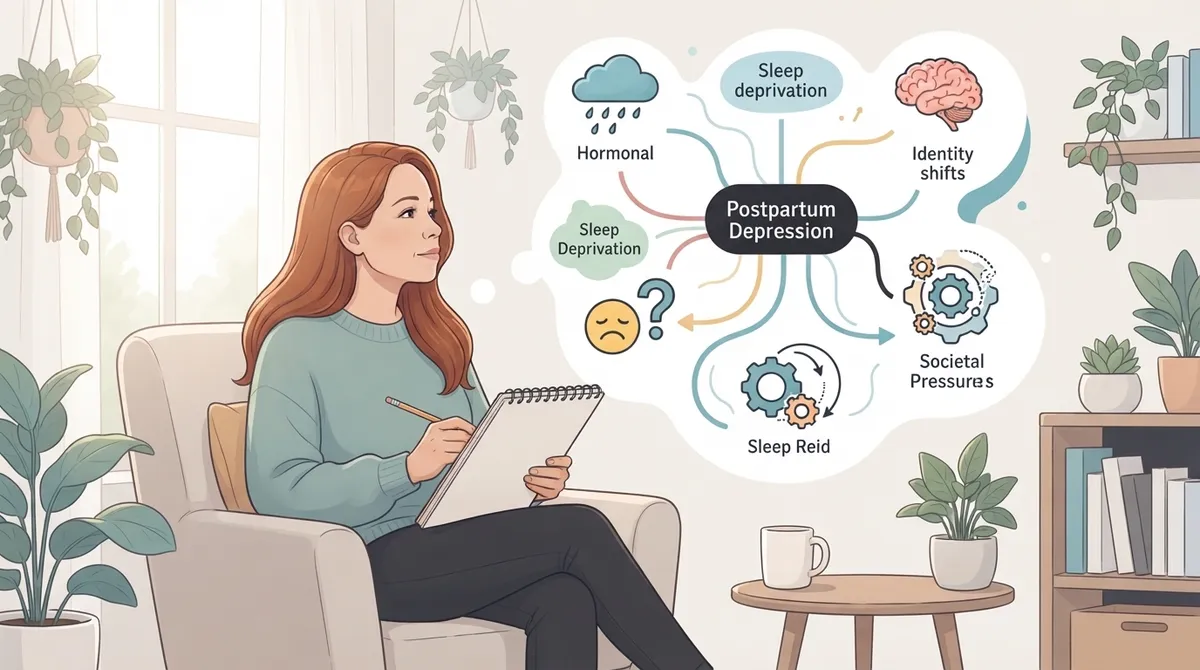
Postpartum depression is more than just feeling tired or overwhelmed after birth. It’s a real, diagnosable form of depression treatment that can happen during pregnancy or in the months after delivery. CBT starts by helping you name what you’re experiencing, which can be a huge relief on its own.
Many moms think they should just push through. But according to CDC mental health resources, postpartum depression is common and treatable. Naming it is the first step toward healing.
How CBT Is Different From the Baby Blues
The “baby blues” usually fade within two weeks after birth. Postpartum depression lasts longer and feels heavier. A trained therapist can help you tell the difference through careful mental health screening, so you get the right support at the right time.
2. CBT Teaches You to Spot Unhelpful Thought Patterns
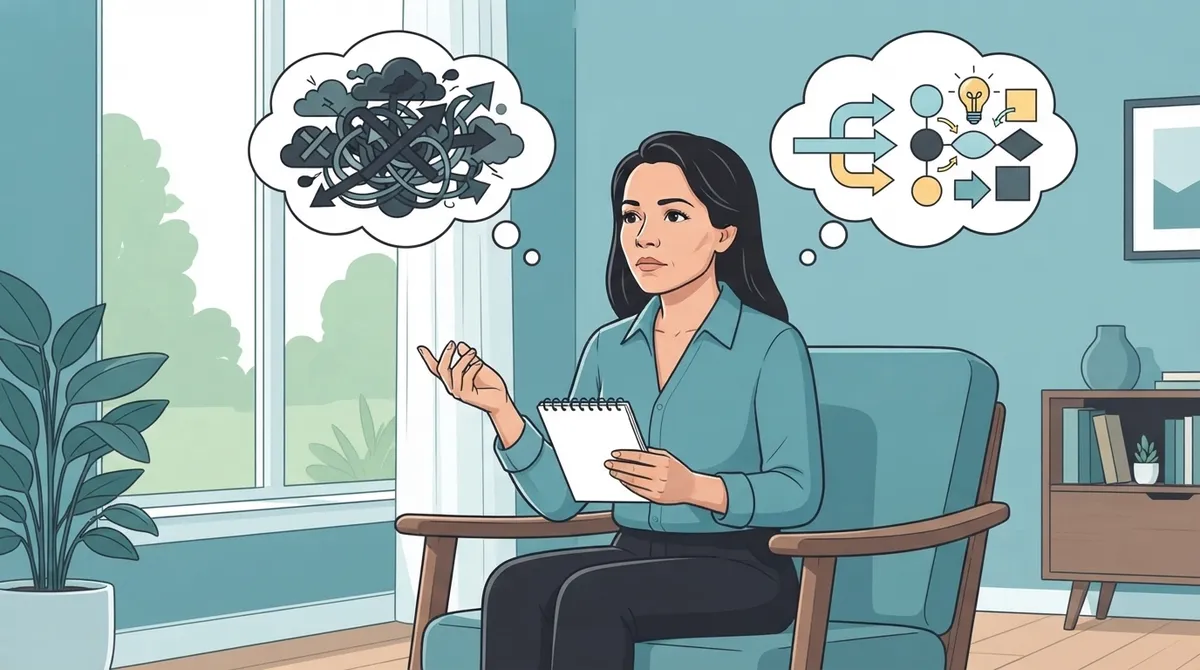
One of the core ideas behind CBT is that our thoughts shape how we feel and act. New moms often fall into thought traps like “I’m a terrible mother” or “I’ll never feel normal again.” These thoughts feel true in the moment, but they aren’t always accurate.
Your therapist will help you catch these thoughts as they happen. Then, together, you’ll practice questioning them and replacing them with more balanced, realistic thinking. This skill alone can lighten the mental load new parents carry every day.
3. CBT Gives You Real Tools, Not Just Talk
CBT is a practical, skills-based therapy. It’s not just about talking through feelings, though that matters too. Sessions often include structured exercises, homework, and strategies you can use right away at home.
- Thought records to track and challenge negative thinking
- Behavioral activation to rebuild motivation and joy
- Problem-solving techniques for daily parenting stress
- Relaxation and breathing exercises for anxious moments
- Sleep hygiene strategies for exhausted new parents
- Communication tools for talking with your partner or family
These tools are designed to fit into a busy, sleep-deprived life. You won’t need hours of free time to practice them.
4. CBT Reduces Symptoms, and the Research Backs It Up
This isn’t just a feel-good claim. A widely cited systematic review summarized by the American Academy of Family Physicians looked at 10 randomized controlled trials with 1,324 participants. It found that CBT reduced depressive symptoms right after treatment compared to usual care, with a meaningful effect size across six trials involving 616 people.
Even six months later, the benefits held up. Psychological interventions, mostly CBT, continued to reduce depressive symptoms compared to standard care. A newer 2023 review found an even stronger improvement effect for CBT-based interventions across nearly 9,700 participants. In plain terms: this therapy works, and the evidence keeps growing.
Long-Term Benefits Matter Too
One review found that CBT was linked to a 30% relative reduction in depression risk at 24 weeks or longer compared to standard postpartum care. That means the benefits of CBT often extend well beyond the initial treatment period, helping moms feel steadier as their baby grows.
5. CBT Can Be Delivered in a Format That Fits Your Life
New parents don’t have a lot of extra time or energy. Thankfully, CBT is flexible. It can happen in an office, in your home, over the phone, or through secure video sessions.
- Individual in-person therapy at a local office
- Group CBT sessions with other new parents
- Home-based visits for moms with limited mobility
- Telehealth sessions from your couch, on your schedule
- Guided online CBT programs with professional support
For busy parents across Florida, telehealth therapy has become a game changer. You can meet with a licensed therapist without arranging childcare or driving anywhere.
6. Online and Telehealth CBT Really Works
A 2025 systematic review and meta-analysis looked at 18 studies involving 3,689 women and found that online CBT improved postpartum depressive symptoms. The strongest results came from programs lasting at least nine weeks, delivered in no more than 12 sessions, with professional guidance built in.
This matters for moms who face childcare gaps, transportation issues, stigma, or scheduling headaches. Guided programs, meaning ones with an actual therapist involved, tend to work better than self-help apps alone.
7. CBT Usually Follows a Clear, Structured Timeline
One thing many new moms appreciate about CBT is that it has a beginning, middle, and end. Clinical guidance reviewed in 2025 shows that a typical course involves about 8 to 12 sessions for mild-to-moderate postpartum depression.
That said, your exact number of sessions depends on a few things:
- How severe your symptoms are right now
- Whether anxiety or other conditions are also present
- Any history of suicidal thoughts or safety concerns
- Your access to transportation, childcare, or telehealth
- How you personally respond to early sessions
Your therapist will check in regularly and adjust the plan as you go. Nothing is set in stone.
8. CBT Can Stand Alone or Work Alongside Medication
CBT does not have to be an either-or decision. For some moms with mild-to-moderate symptoms, CBT alone is enough. For others, especially those with more severe depression, combining CBT with antidepressant medication offers the best results.
Guidelines from ACOG and the 2024 Canadian Network for Mood and Anxiety Treatments both recognize psychotherapy like CBT as an effective option for perinatal depression, often as a first-line choice. Your treatment team will factor in things like breastfeeding status, pregnancy, prior treatment history, and your own preferences before recommending a path forward.
Group CBT Also Shows Strong Results
A systematic review of group CBT found a solid effect size at 10 to 13 weeks after starting treatment, which gradually eased by the six-month mark. Group therapy can also offer something medication and one-on-one sessions can’t: connection with other moms going through the same thing.
9. CBT Helps With the Anxiety That Often Comes Along for the Ride
Postpartum depression rarely travels alone. Anxiety, racing thoughts, and constant worry about the baby’s safety often show up too. CBT directly targets this overlap, teaching you how to manage anxiety treatment strategies alongside depression symptoms.
Learning to calm an anxious mind can also improve sleep, patience, and your ability to bond with your baby. These pieces all connect, and CBT treats them as a whole picture rather than isolated symptoms.
10. Culturally Responsive, Bilingual CBT Removes Barriers to Care
For Spanish-speaking moms across Florida, finding a therapist who truly understands your language and cultural context can make all the difference. Feeling understood, without needing to translate your pain into a second language, builds trust faster and makes therapy more effective.
West Florida Therapy offers bilingual services in English and Spanish, so language never has to be a barrier to getting quality care. You deserve a therapist who can meet you exactly where you are, in the words that feel most natural to you.
11. Knowing When CBT Isn’t Enough on Its Own
CBT is powerful, but it isn’t a substitute for emergency care in every situation. A proper mental health assessment should always rule out other conditions first, including bipolar disorder, postpartum psychosis, thyroid problems, or substance-related issues.
Please seek urgent help right away if you or someone you love experiences any of the following:
- Thoughts of harming yourself or your baby
- Hearing voices or seeing things that aren’t there
- Severe confusion or feeling disconnected from reality
- Extreme mood swings that feel out of control
- A complete inability to function or care for yourself or your baby
These symptoms require immediate professional or emergency support, not a wait-and-see approach. The Florida Department of Health mental health resources and Florida’s substance abuse and mental health services can connect you with crisis support if you need it right now.
Meet Margaret Deuerlein: A Compassionate Guide Through Postpartum Depression
Finding the right therapist matters just as much as finding the right treatment approach. Margaret Deuerlein brings warmth, patience, and genuine care to every session, helping new moms feel safe enough to be honest about their struggles. You can learn more about her approach on the About Margaret Deuerlein page.
Margaret understands that postpartum depression doesn’t look the same for everyone. Some moms feel sad and withdrawn. Others feel irritable, anxious, or numb. Whatever your experience looks like, she meets you without judgment and helps you build a path forward using proven cognitive behavioral therapy techniques tailored to your life.
What to Expect From Your First Sessions
Starting therapy can feel intimidating, especially when you’re exhausted and stretched thin. Here’s a simple breakdown of what the early process usually looks like:
- A brief phone consultation to talk about your concerns and goals
- A personalized treatment plan built around your specific symptoms
- Regular weekly or bi-weekly sessions, in person or by telehealth
- Ongoing check-ins to track your progress and adjust as needed
This structure gives you something to hold onto during a chaotic time. You won’t be guessing what comes next.
Building a Support System Beyond Therapy
CBT works best when it’s part of a bigger support network. Partners, family members, and even couples therapy can play a role in postpartum recovery. If relationship stress is adding to your load, addressing relationship problems alongside individual therapy can bring real relief.
Practical support matters too. Reliable home services can ease daily stress in small but meaningful ways. For example, keeping your home comfortable with help from Marks Air or ensuring good indoor air quality with BluHalo can remove small stressors that add up when you’re already running on empty.
Why Choose Local, In-Person or Virtual Care in Florida
Whether you prefer meeting face-to-face or connecting from home, West Florida Therapy offers both options across the state. In-person sessions are available in Brandon, and virtual therapy reaches families anywhere in Florida. This flexibility means new moms don’t have to choose between quality care and convenience.
Curious what other clients have experienced? You can visit us on Google to read West Florida Therapy reviews and see how real families found support through their postpartum journey.
Your Next Step Toward Feeling Like Yourself Again
Postpartum depression can feel like a fog that never lifts, but CBT offers a clear, research-backed path forward. You don’t need to have all the answers before reaching out. You just need to take one small step.
If you’re ready to talk with someone who understands, reach out to our team today to schedule your free 15-minute consultation. Margaret and the West Florida Therapy team are here to help you heal, one session at a time.
FAQs
Q: What is CBT for postpartum depression, and how does it work?
A: CBT is a structured therapy that helps you notice and change unhelpful thought patterns, build better coping skills, and get back into activities you enjoy. It’s practical and skills-based, so you leave each session with tools you can actually use at home with your baby.
Q: How effective is CBT for postpartum depression?
A: Research shows real, measurable results. Studies involving thousands of participants found CBT reduces depressive symptoms both right after treatment and months later, making it one of the most trusted options for postpartum depression today.
Q: How many CBT sessions are usually needed after having a baby?
A: Most moms complete somewhere between 8 and 12 sessions, though this can vary based on symptom severity and personal progress. Your therapist will work with you to figure out the right pace for your unique situation.
Q: Is online or telehealth CBT effective for postpartum depression?
A: Yes, absolutely! Research on nearly 3,700 women found that online CBT, especially when guided by a real therapist, improved postpartum depression symptoms. It’s a wonderful option for busy parents who can’t always make it into an office.
Q: When does postpartum depression require urgent or emergency help?
A: If you’re having thoughts of harming yourself or your baby, hearing or seeing things that aren’t there, or feeling completely disconnected from reality, please seek emergency help immediately. These are signs that go beyond what CBT alone can safely address.