Key Takeaways
-
About 75% of people with depression struggle with sleep issues, and poor sleep creates a cycle that worsens evening mood—addressing sleep quality is key to reducing nighttime depression.
-
Fewer daytime distractions at night allow intrusive thoughts and rumination to surface; using grounding techniques like the 5-4-3-2-1 sensory exercise can interrupt this cycle and pull attention back to the present.
-
Nighttime depression is not a separate diagnosis but a pattern where existing depressive symptoms intensify in the evening due to fatigue, circadian rhythm disruptions, and mental energy depletion.
-
Creating a structured evening routine with dimmed lights, limited screens, journaling, and gentle stretching signals your body to wind down and reduces the mental space for racing thoughts.
-
If nighttime sadness occurs most nights, involves hopelessness, or affects your relationships and work, professional therapy offers lasting tools rather than temporary coping—seek help immediately if you experience self-harm thoughts.
-
Consistent daily habits like maintaining fixed sleep times, getting morning sunlight, staying active, and limiting caffeine work best alongside therapy to regulate your circadian rhythm and stabilize evening mood.
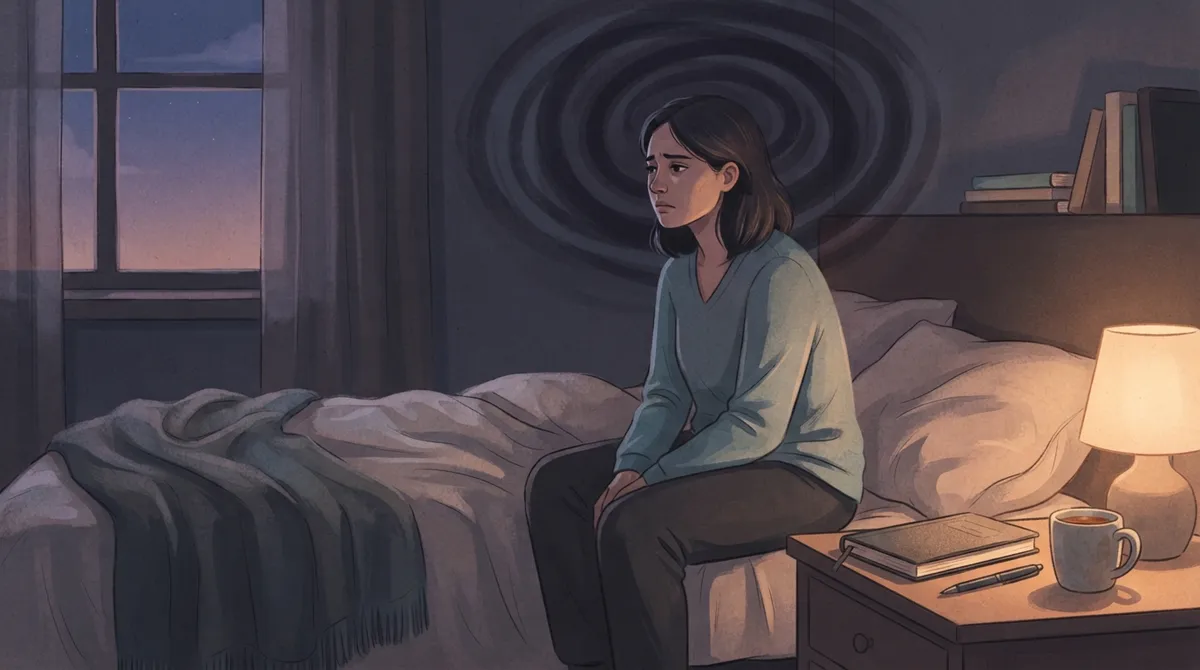
Ever notice how your saddest thoughts seem to show up right when your head hits the pillow? You’re not imagining it, and you’re definitely not alone. Depression at night is a real and common experience where feelings of sadness, emptiness, or hopelessness get stronger once the sun goes down. The house gets quiet, the distractions fade, and suddenly your mind has nowhere to hide from those heavy feelings.
If this sounds like you, we want you to know something important: this is not a personal failing. It’s a pattern that many people experience, and there are real reasons behind it. At West Florida Therapy, we talk with clients across Brandon and throughout Florida who describe this exact struggle. Understanding why nights feel harder can be the first step toward finding relief.
What Does Depression at Night Actually Feel Like?
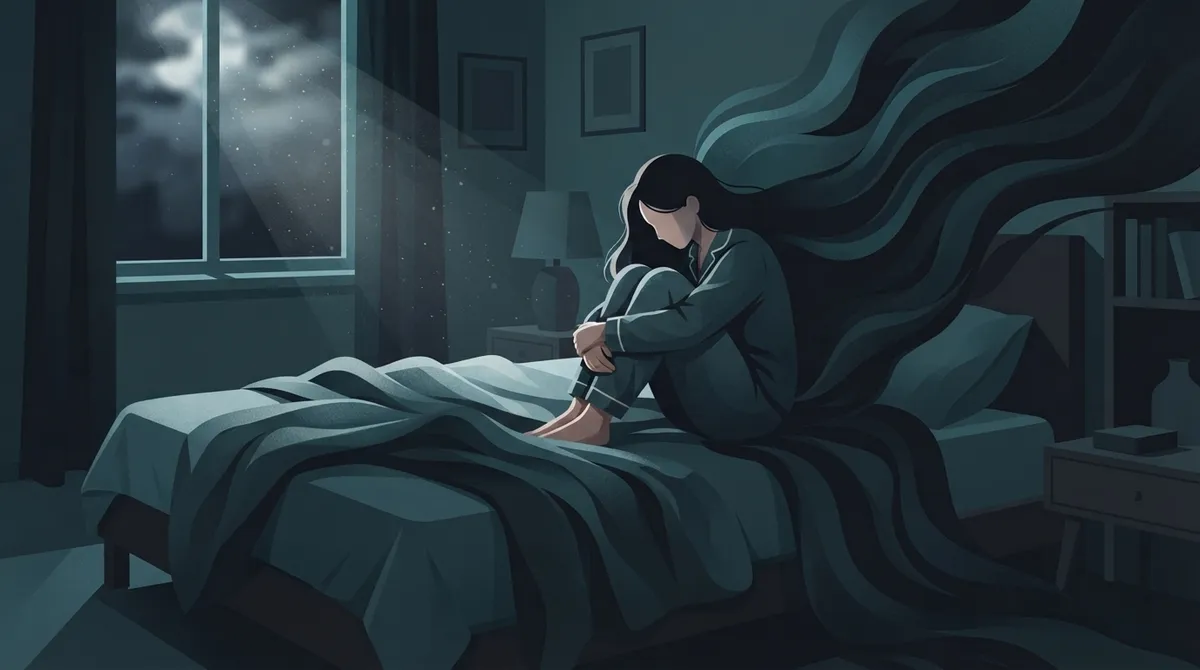
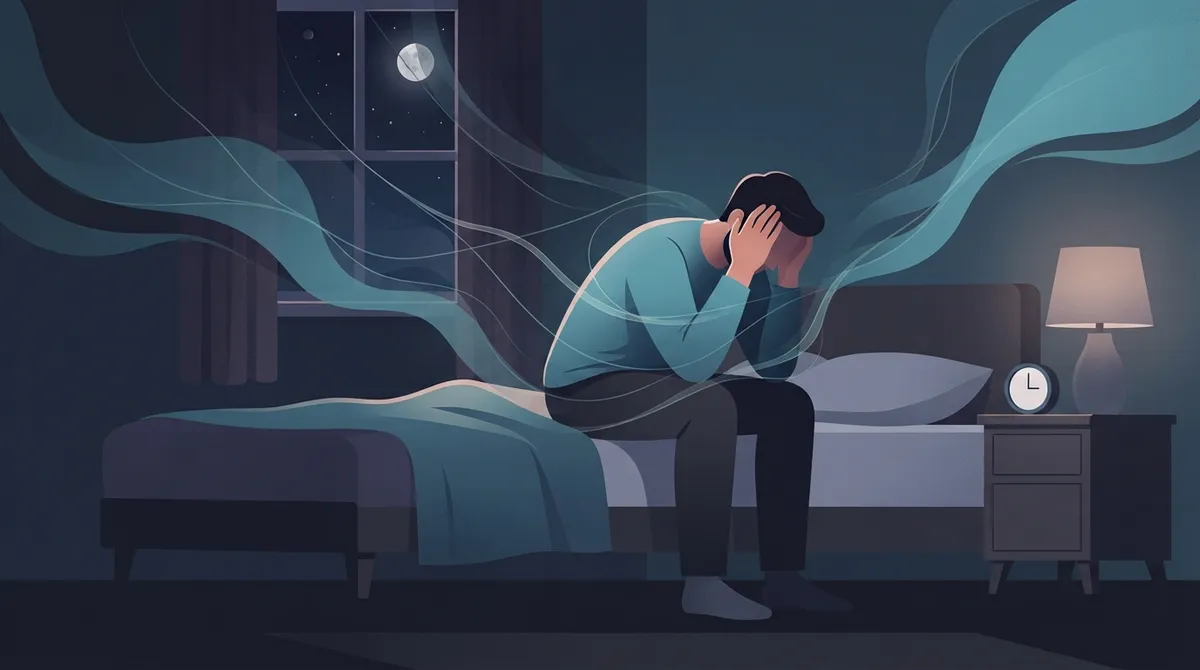
Nighttime depression isn’t a separate diagnosis. It’s a pattern where existing depressive symptoms feel more intense during evening hours. You might feel fine, or at least manageable, during your busy workday. Then evening arrives, and everything feels heavier.
Common experiences include:
- A wave of sadness or emptiness that hits after dark
- Racing thoughts or rumination about the day’s events
- Trouble falling asleep despite feeling exhausted
- Waking up in the middle of the night with anxious or sad thoughts
- Feeling irritable, restless, or unusually tired
- Loss of interest in things you normally enjoy, even relaxing activities
These symptoms can overlap with clinical depression, so it’s worth paying attention to how often this happens and how strongly it affects your daily life.
Why Does Depression Feel Worse at Night?
There are a few reasons why nighttime can feel like the hardest part of the day for people struggling with low mood. Understanding these causes can help take away some of the confusion and self-blame.
1. Fewer Distractions Mean More Room for Rumination
During the day, work, school, errands, and conversations keep your mind busy. At night, those distractions disappear. This quiet space often lets intrusive thoughts and worries bubble up, making sadness feel bigger than it did just hours earlier.
2. Sleep and Depression Are Deeply Connected
According to Johns Hopkins Medicine, about 75% of people with depression have trouble falling or staying asleep. This is not a coincidence. Poor sleep and depression feed into each other, creating a frustrating cycle that’s hard to break without support.
3. Circadian Rhythm Disruptions
Your body has an internal clock that regulates energy, hormones, and mood throughout the day. When this rhythm gets thrown off, whether from irregular sleep schedules or too much screen time before bed, your mood can become less stable in the evening hours.
4. Physical and Mental Fatigue Pile Up
By nighttime, you’ve used up your mental and emotional energy trying to get through the day. This depletion can leave you more vulnerable to sad or hopeless thoughts once you finally slow down.
How Common Is Depression, and Why Does This Matter?
Depression affects far more people than many realize. Gallup data from 2025 estimates that about 18.3% of U.S. adults have depression, which translates to roughly 47.8 million Americans. If you’re struggling with nighttime sadness, you’re part of a much larger community than you might think.
| Statistic | Data Point | Source |
|---|---|---|
| Adults with sleep issues linked to depression | 75% | Johns Hopkins Medicine, 2024 |
| U.S. adults estimated to have depression | 18.3% | Gallup, 2025 |
| Americans currently treated for depression | ~48 million | Gallup/AHA, 2025 |
These numbers show that nighttime depression and sleep struggles are widespread. You are not broken, and you are not alone in this. Learning more about how depression affects daily life can help you recognize patterns and take the next step toward feeling better.
Signs That Nighttime Sadness May Need Professional Attention
It’s normal to have an occasional rough night. But certain signs suggest it’s time to reach out for support rather than trying to push through alone.
- Your nighttime sadness happens most nights, not just occasionally
- You feel hopeless, empty, or numb for extended periods
- You have thoughts of self-harm or not wanting to be here
- Your sleep problems are affecting your work, school, or relationships
- You’ve lost interest in things you used to enjoy
- You’re relying on alcohol or other substances to fall asleep
- Family or friends have expressed concern about your mood
If you notice thoughts of self-harm or suicide, please reach out for help immediately. This is serious, and support is available. A licensed psychotherapist can help you work through these feelings safely and compassionately.
Practical Ways to Calm Depression at Night
While professional support is often key to lasting change, there are also small steps you can try tonight to help ease symptoms. Think of these as helpful tools, not a replacement for treatment.
Building a Calming Evening Routine
- Dim the lights an hour before bed to signal your body it’s time to wind down
- Try gentle stretching or slow breathing exercises
- Write down racing thoughts in a journal to get them out of your head
- Limit screens and news right before bed
- Keep your bedroom cool, quiet, and comfortable
Managing Rumination and Racing Thoughts
When your mind won’t stop replaying worries, grounding techniques can help interrupt the cycle. Try naming five things you can see, four things you can touch, three things you can hear, two things you can smell, and one thing you can taste. This simple exercise pulls your attention back to the present moment.
Working with a therapist trained in mood issues can also give you longer-term tools for managing these thought patterns, rather than just getting through one hard night at a time.
How Therapy Can Help With Nighttime Depression
Talking to a professional isn’t just for crisis moments. Therapy can help you understand the root causes behind your nighttime struggles and build real, lasting coping skills.
At West Florida Therapy, our founder Margaret Deuerlein brings warmth, patience, and genuine care to every session. She understands that reaching out for help takes courage, and she works to make that first step feel as comfortable as possible. You can learn more about her approach on the About Margaret Deuerlein page.
Here’s what working with a therapist can look like:
- Identifying patterns between your sleep habits and your mood
- Learning cognitive tools to reduce nighttime rumination
- Addressing any underlying anxiety that worsens after dark
- Building a personalized plan that fits your schedule and needs
- Checking in regularly to track your progress and adjust your care
For adults who prefer face-to-face sessions, we offer in-person therapy in Brandon, Florida. For those who need more flexibility, telehealth therapy is available throughout the entire state.
Support for Every Stage of Life
Nighttime depression doesn’t only affect adults. Teens dealing with school pressure or social stress often struggle with racing thoughts at bedtime too. Parents supporting a teenager through this can find helpful guidance through our virtual therapy for adolescents services.
Couples aren’t immune either. When one or both partners struggle with nighttime sadness, it can strain communication and intimacy. If this sounds familiar, couples therapy can help you both learn to support each other through hard nights.
We also proudly offer bilingual services in English and Spanish, because everyone deserves access to compassionate mental health care regardless of language. Our team wants every client in Brandon and across Florida to feel truly understood.
The Connection Between Anxiety and Nighttime Sadness
Anxiety and depression often show up together, especially at night. Racing worries about tomorrow can blend with feelings of hopelessness, creating a tangled, exhausting mental loop. If you notice both anxious and depressive symptoms after dark, you might find our article on why anxiety feels worse at night helpful as additional reading.
Treating both conditions together often works better than addressing them separately. A trained therapist can help you understand how anxiety treatment and depression care overlap, giving you a more complete path toward relief.
Building Long-Term Habits for Better Nights
Beyond therapy sessions, small daily habits can make a real difference over time. Consistency matters more than perfection here.
- Keep a consistent sleep and wake time, even on weekends
- Get natural sunlight exposure during the day to support your circadian rhythm
- Limit caffeine and alcohol in the evening hours
- Stay physically active during the day, even with short walks
- Reach out to a friend or loved one when nights feel especially hard
These habits work best alongside professional support, not as a substitute for it. If you’ve been struggling for weeks or months, it may be time to talk to someone who can guide you through a more structured plan for healing.
For additional statewide resources, the Florida Department of Health’s mental health resources and the Florida Department of Children and Families substance abuse and mental health programs offer helpful information. The CDC’s mental health resources page is another trustworthy source for general guidance.
You Deserve Support, Not Just Survival
Struggling through hard nights alone can feel exhausting and isolating. But you don’t have to keep white-knuckling your way through every evening. Real, lasting relief is possible with the right support and guidance.
At West Florida Therapy, we’ve helped many clients throughout Brandon and Florida find their way through nighttime depression and reclaim restful, peaceful evenings. You can see what real clients have shared by visiting our West Florida Therapy location on Google.
We offer a free 15-minute consultation to help you figure out if we’re the right fit, no pressure involved. Whether you’re an adult navigating depression on your own, a parent worried about a teen, or part of a couple looking to support each other better, we’re here to help.
Ready to stop dreading nighttime and start sleeping (and living) more peacefully? Reach out to our caring team today and take that first courageous step toward healing.
FAQs
Q: Why does depression feel worse at night?
A: When the day slows down and distractions fade, your mind has more room for worried or sad thoughts to surface. Add in fatigue and poor sleep, and it’s easy to see why evenings can feel so much heavier than the daytime.
Q: Is depression at night a sign of clinical depression?
A: It can be, especially if the sadness happens often and affects your daily life. It’s not a separate diagnosis, but rather a pattern where existing depression symptoms feel stronger in the evening, so it’s worth talking to a professional if this sounds familiar.
Q: Can insomnia make depression worse at night?
A: Absolutely, and you’re definitely not imagining this connection. Poor sleep and depression often feed into each other, creating a frustrating cycle that’s hard to break without support and healthy sleep habits.
Q: How do you calm depression at night?
A: Try creating a calming bedtime routine with dim lights, gentle stretching, and journaling to release racing thoughts. These small steps help, but working with a therapist can give you longer-term tools that address the root causes too.
Q: When should you seek help for depression that gets worse at night?
A: If your nighttime sadness happens most nights, feels hopeless, or includes thoughts of self-harm, please reach out for support right away. You deserve care, and a licensed therapist can help you feel better and safer.