
Key Takeaways
-
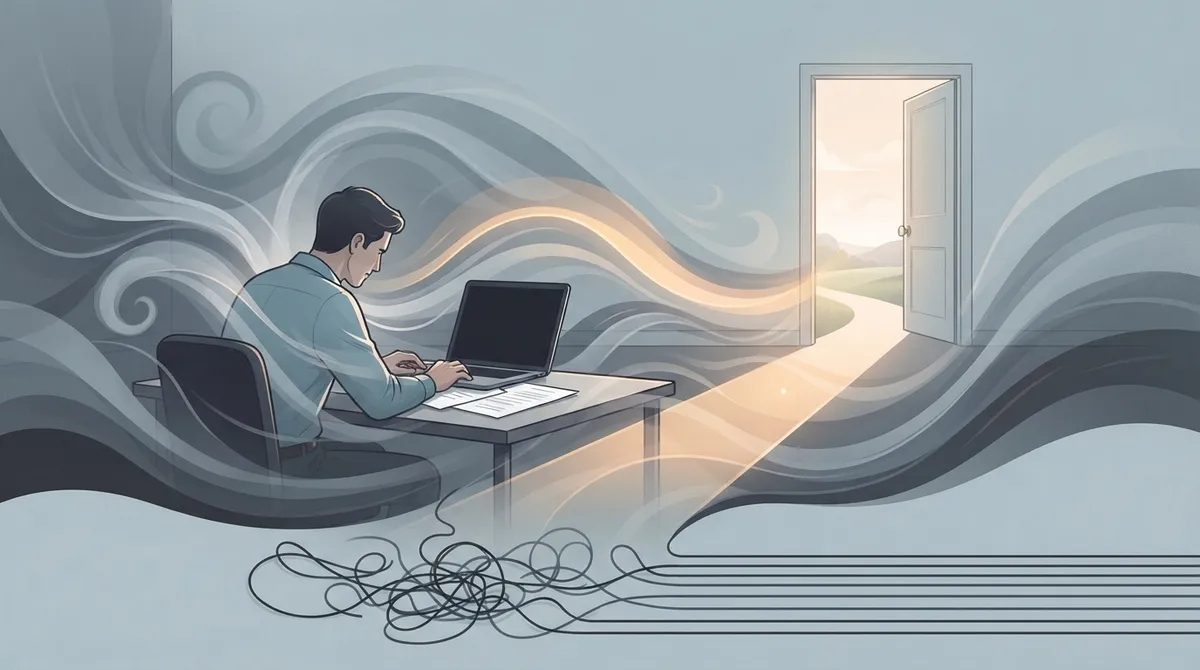
Crippling anxiety isn't an official diagnosis but a description of anxiety intense enough to disrupt daily life; therapists identify the underlying condition (generalized anxiety disorder, panic disorder, etc.) to create effective treatment plans.
-
Cognitive behavioral therapy (CBT) is the most researched and effective treatment for severe anxiety, helping you replace unhelpful thought patterns with healthier ones through structured, evidence-based techniques.
-
Recognize key symptoms like constant worry, racing heart, sleep problems, and avoidance behaviors lasting weeks or longer as signals to seek professional help before anxiety becomes more entrenched.
-
Anxiety often stems from identifiable factors including life transitions, work stress, past trauma, family conflict, and biological predisposition—understanding your specific triggers is crucial for targeted treatment.
-
Start your healing journey by noticing your symptoms, talking to a trusted person, contacting a licensed anxiety specialist, and committing to a tailored treatment plan that may include therapy, coping tools, or medication.
-
You're not broken or alone; thousands manage severe anxiety successfully through professional support, and most people notice real improvement within weeks of consistent therapy sessions.
If you’ve ever felt your heart race for no clear reason, or found yourself avoiding everyday tasks because the worry feels too big, you already know how heavy crippling anxiety can feel. It’s exhausting. It can make simple things like answering a phone call, driving to work, or sitting in a crowded room feel like climbing a mountain. Here’s the good news: you are not broken, and you are not alone. Thousands of people across Florida deal with this same struggle every single day, and many of them find real relief through therapy.
At West Florida Therapy, we believe healing starts with understanding what’s really going on. Crippling anxiety isn’t a weakness or a personality flaw. It’s a sign that your mind and body need support. In this article, we’ll break down what crippling anxiety means, what causes it, and how anxiety treatment can help you get your life back. Whether you’re a busy professional, a worried parent, a stressed-out student, or someone supporting a partner through a hard time, this guide is for you.
What Does Crippling Anxiety Actually Mean?
Let’s clear something up first: crippling anxiety is not an official medical diagnosis. It’s a phrase people use to describe anxiety that feels so intense it gets in the way of daily life. Think of it as a severity label, not a specific illness.
When someone says they have crippling anxiety, they usually mean their worry has become so strong it affects their work, relationships, sleep, or ability to leave the house. Mental health professionals typically look deeper to find the actual condition behind these feelings. This could be generalized anxiety disorder, panic disorder, social anxiety, or anxiety connected to past trauma.
Understanding this distinction matters because it changes how treatment works. A therapist doesn’t just treat “crippling anxiety” as a label. They look at your specific symptoms, history, and triggers to create a plan that actually fits you. You can learn more about the different types of anxiety and treatment options to get a fuller picture.
Common Signs of Severe Anxiety
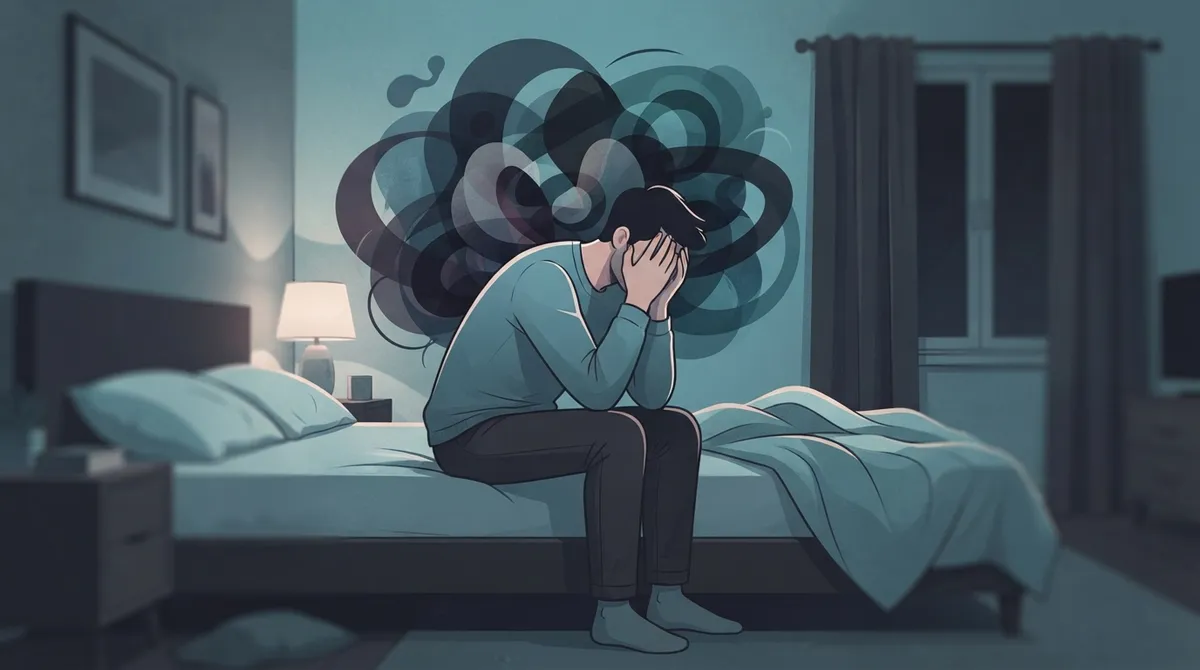
Anxiety shows up differently for everyone, but there are some patterns mental health professionals look for. Recognizing these signs is often the first step toward getting help.
- Constant, hard-to-control worry that doesn’t match the actual situation
- Racing heart, shortness of breath, or chest tightness
- Trouble concentrating or feeling like your mind goes blank
- Restlessness or feeling constantly “on edge”
- Sleep problems, including trouble falling or staying asleep
- Avoiding places, people, or situations out of fear
- Physical symptoms like nausea, muscle tension, or dizziness
If several of these symptoms sound familiar and they’ve lasted for weeks or longer, it may be time to talk to someone. These symptoms often overlap with panic attacks, which are sudden waves of intense fear that can feel terrifying but are very treatable.
Why Anxiety Can Feel So Overwhelming
Anxiety doesn’t come from nowhere. It often builds up from a mix of things happening in your life and in your body. Here are some common contributing factors mental health professionals consider:
- Life transitions: Moving, starting a new job, or becoming a parent can trigger intense worry, especially for people already prone to stress.
- Work and financial pressure: Constant deadlines, job insecurity, or money stress can wear down your ability to cope.
- Past trauma: Difficult experiences from childhood or adulthood can leave lasting marks on how your nervous system responds to stress. Trauma therapy can help address these root causes.
- Family and relationship strain: Ongoing conflict at home or with a partner can fuel anxious thoughts and physical tension.
- Social pressure: For teens and young adults especially, school, social media, and peer expectations can create constant low-grade fear.
- Biological factors: Genetics and brain chemistry play a role too, which is why some people are more prone to anxiety than others.
No matter the cause, the good news is that anxiety responds well to treatment. You don’t have to figure it out alone, and you don’t have to just “push through it.”
How Mental Health Professionals Treat Crippling Anxiety
Treatment for severe anxiety usually starts with a conversation. A licensed therapist will ask about your symptoms, history, and daily life to understand what’s really going on underneath the surface. From there, they build a plan tailored to you.
Evidence-Based Approaches That Work
Cognitive behavioral therapy, often called CBT, is one of the most well-researched treatments for anxiety. It helps you notice unhelpful thought patterns and replace them with healthier, more balanced ones. Other approaches include:
- Talk therapy focused on identifying triggers and building coping skills
- Exposure-based techniques for specific fears or phobias
- Mindfulness and relaxation training to calm the nervous system
- Medication management, when appropriate, coordinated with a physician
- Support for related conditions like depression, which often shows up alongside anxiety
According to the Cleveland Clinic, anxiety disorders are among the most common mental health conditions, but they are also highly treatable with the right combination of therapy and support. This is encouraging news if you’ve been struggling and wondering if things can really get better. They can.
Meet Margaret Deuerlein
At West Florida Therapy, our own Margaret Deuerlein brings warmth, patience, and years of clinical experience to every session. She understands that no two people experience anxiety the same way, and she takes the time to listen before jumping into any treatment plan. Clients often describe her approach as calm, non-judgmental, and genuinely caring, which makes a huge difference when you’re feeling vulnerable.
Comparing Anxiety Symptoms and Related Conditions
Sometimes it helps to see how anxiety symptoms compare to related struggles. Here’s a simple breakdown:
| Condition | Key Symptoms | Common Treatment |
|---|---|---|
| Generalized Anxiety | Constant worry, restlessness, muscle tension | CBT, relaxation training, medication if needed |
| Panic Disorder | Sudden panic attacks, racing heart, fear of losing control | Exposure therapy, breathing techniques, CBT |
| Social Anxiety | Fear of judgment, avoiding social situations | Gradual exposure, social skills coaching, therapy |
| Trauma-Related Anxiety | Flashbacks, hypervigilance, avoidance | Trauma-focused therapy, EMDR, talk therapy |
Who Struggles With Crippling Anxiety?
Anxiety doesn’t discriminate. It touches people from every background, age, and walk of life. Here’s a quick look at some common groups we see at our Brandon, Florida location:
- Young adults navigating school, career pressure, and independence for the first time
- Millennials juggling work stress, relationships, and major life decisions
- Teens dealing with school anxiety, social pressure, or family conflict
- Spanish-speaking adults who need care in their preferred language
- Couples whose anxiety is straining their communication and connection
- Women, who statistically seek mental health treatment more often than men
If you see yourself in any of these groups, know that support designed specifically for your situation is available. Our team offers telehealth therapy across Florida as well as in-person sessions, so you can choose whatever feels most comfortable.
Steps to Take If Anxiety Is Taking Over
Feeling ready to make a change but not sure where to start? Here’s a simple path forward:
- Notice your symptoms and how long they’ve been affecting your daily life.
- Talk to someone you trust, whether that’s a friend, family member, or doctor.
- Reach out to a licensed therapist who specializes in anxiety treatment.
- Schedule an initial consultation to discuss your concerns and goals.
- Commit to a treatment plan, whether that’s weekly sessions, coping tools, or medication support.
- Track your progress and adjust your plan as needed with your therapist’s guidance.
This process doesn’t have to be scary. Our simple, structured process is designed to make starting therapy feel approachable, not overwhelming.
When Anxiety Becomes an Emergency
Sometimes anxiety escalates quickly and needs urgent attention. It’s important to know the difference between anxiety that needs ongoing therapy and anxiety that needs immediate crisis support. According to the CDC’s mental health resources, reaching out for help early can prevent symptoms from getting worse.
If you or someone you love is in crisis, please contact emergency services right away. For ongoing support, Florida residents can also explore resources through the Florida Department of Health’s mental health links and the Florida Department of Children and Families’ mental health services. These are valuable resources alongside working with a dedicated therapist.
Why Choose West Florida Therapy
We know reaching out for help can feel like a big step. That’s why we try to make the process as warm and welcoming as possible. Here’s what sets our approach apart:
- Bilingual services in English and Spanish for greater accessibility
- In-person sessions in Brandon, Florida and virtual sessions throughout the state
- Individualized treatment plans built around your specific needs
- A caring, judgment-free environment led by experienced clinicians like Margaret Deuerlein
- Support for individuals, couples, and adolescents dealing with anxiety and related struggles
We also offer support for couples therapy when anxiety is affecting a relationship, and specialized care for teens through our mental health services for adolescents. If you’re curious what past clients have experienced, feel free to visit our West Florida Therapy location on Google to read real reviews from real people.
You Deserve to Feel Better
Living with crippling anxiety can feel isolating, but healing is absolutely possible. With the right support, many people go from feeling stuck and overwhelmed to feeling calm, confident, and in control again. Therapy isn’t about “fixing” you because you were never broken to begin with. It’s about giving you tools to manage stress, understand your triggers, and build a life that feels lighter.
Whether you’re dealing with panic attacks, constant worry, trauma-related fear, or anxiety tied to a relationship, there is a path forward. Every single day, people just like you take that first brave step toward healing. You can too.
If you’re ready to start feeling like yourself again, we’d love to help. Reach out to our team today to schedule your free 15-minute consultation and take the first step toward lasting relief.
FAQs
Q: What does crippling anxiety mean?
A: Crippling anxiety describes worry so intense it disrupts daily life, work, or relationships. It’s not an official diagnosis, but a way people describe how overwhelming their anxiety feels. A therapist can help identify the specific condition behind these feelings.
Q: Is crippling anxiety a diagnosis?
A: No, it’s more of a severity description than a clinical term. Therapists usually look deeper to find conditions like generalized anxiety disorder, panic disorder, or social anxiety. Naming the specific condition helps create a more effective treatment plan.
Q: Can therapy really help with crippling anxiety?
A: Absolutely, and we see it happen all the time. Therapies like CBT help you understand your triggers and build practical coping tools. Many clients notice real improvement within just a few weeks of consistent sessions.
Q: When should I seek professional help for anxiety?
A: If anxiety is making it hard to work, sleep, or enjoy time with loved ones, it’s time to reach out. You don’t have to wait until things feel unbearable to ask for support. Early help often leads to faster relief.
Q: What’s the difference between anxiety and a panic attack?
A: General anxiety tends to build gradually and involves ongoing worry, while panic attacks hit suddenly and intensely. Panic attacks often include a racing heart, shortness of breath, and a feeling of losing control. Both are very treatable with the right support.