

Key Takeaways
-
Mindfulness-based therapy teaches you to notice thoughts and feelings without judgment, changing your relationship to stress rather than eliminating it, which brings significant relief for anxiety and depression.
-
MBCT (Mindfulness-Based Cognitive Therapy) targets depression relapse prevention using mindfulness plus cognitive tools, while MBSR (Mindfulness-Based Stress Reduction) focuses on general stress through body scans and breathing for 8 weeks.
-
A typical mindfulness therapy session includes check-in, grounding exercises, guided reflection, skill building with new tools like emotion labeling, and homework practice assignments to reinforce techniques.
-
Mindfulness-based therapy works best when combined with other proven methods like CBT, DBT, or trauma therapy, allowing therapists to design personalized treatment plans rather than using one-size-fits-all approaches.
-
Simple daily mindfulness practices like box breathing, body scans, five senses check-ins, and thought labeling can be practiced independently for 5 minutes daily to build mental resilience before formal therapy.
-
Consider professional support if you experience persistent worry interfering with daily tasks, unmanageable panic symptoms, recurring relationship conflict, sleep disruption from racing thoughts, or emotional numbness.
Life in Florida moves fast, and your mind might feel like it never gets a break. If you live near Brandon and feel stuck in a loop of worry, sadness, or racing thoughts, you are not alone. Brandon mindfulness-based therapy offers a gentle, proven way to slow down, breathe, and reconnect with yourself. This approach is not about ignoring your problems. It is about learning to notice your thoughts and feelings without letting them run the show.
At West Florida Therapy, mindfulness-informed care is woven into individual and Couples Therapy sessions for adults and teens across Florida. Whether you prefer meeting in person or connecting through Telehealth Therapy Florida, this style of therapy can meet you exactly where you are. Let’s walk through what mindfulness-based therapy actually looks like, how it works, and how to get started.
What Is Mindfulness-Based Therapy, Really?
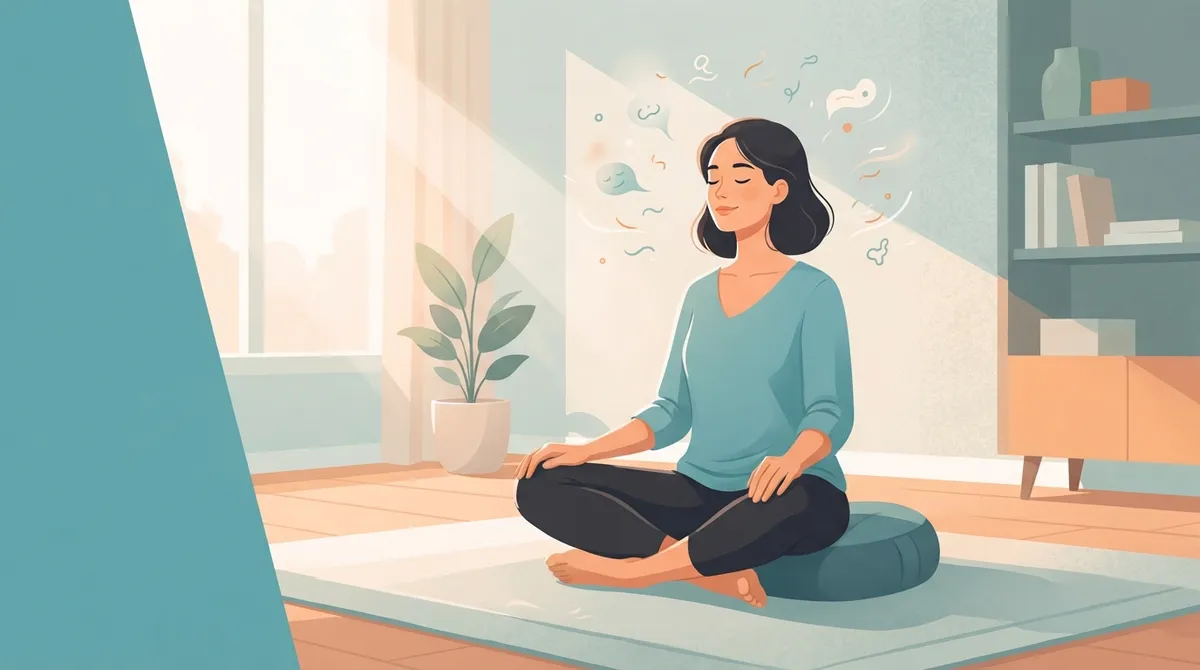
Mindfulness-based therapy blends meditation practices with talk therapy techniques. It teaches you to pay attention to the present moment on purpose, without judging what you find there. Instead of pushing away hard emotions, you learn to sit with them calmly. Over time, this changes how your brain responds to stress.
Two of the most common approaches you will hear about are Mindfulness-Based Cognitive Therapy (MBCT) and Mindfulness-Based Stress Reduction (MBSR). MBCT was originally developed to help people who struggle with recurring depression. It combines mindfulness meditation with cognitive therapy tools that help you catch negative thought patterns early. MBSR, on the other hand, focuses more broadly on stress and body awareness through practices like body scans and breathing exercises.
How MBCT and MBSR Differ
People often ask which one is right for them. Here is a simple breakdown to help you understand the difference.
| Feature | MBCT | MBSR |
|---|---|---|
| Primary Focus | Preventing depression relapse | General stress reduction |
| Core Method | Mindfulness + cognitive therapy | Mindfulness meditation + body awareness |
| Common Format | Group-based, sometimes individual | Group-based, structured 8-week program |
| Best For | Depression, mood disorders | Anxiety, chronic stress, burnout |
| Typical Tools | Thought awareness, breathing, gentle inquiry | Body scans, yoga-like movement, breathing |
Why Mindfulness Works So Well for Anxiety and Depression
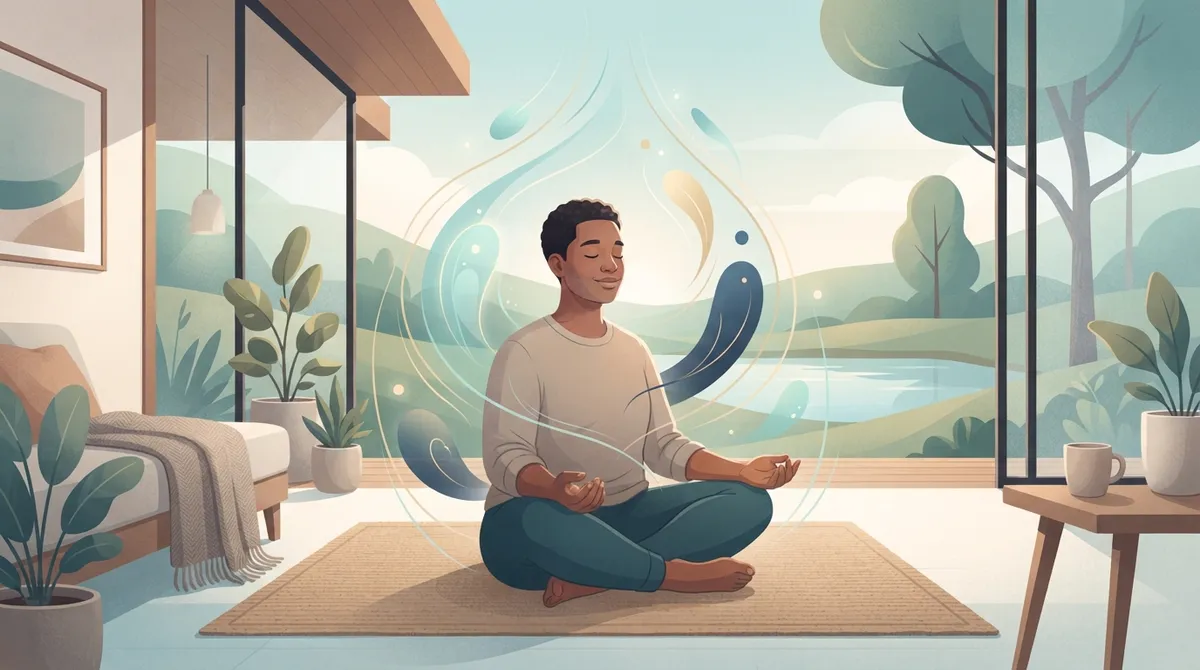
Mindfulness-based therapy does not try to erase your difficult thoughts. Instead, it helps you change your relationship to them. That shift alone can bring huge relief. Many clients dealing with Anxiety Treatment or Depression Treatment find that mindfulness gives them a new sense of control.
Here is what mindfulness-based therapy can help you do:
- Notice anxious thoughts before they spiral out of control
- Reduce the intensity of panic and racing thoughts
- Respond to stress calmly instead of reacting automatically
- Improve sleep by quieting a busy mind at night
- Build self-compassion instead of harsh self-criticism
- Strengthen focus and reduce mental fog
This approach is often combined with other proven methods, including CBT, DBT, and Emdr Treatment. Blending techniques gives your therapist flexibility to design a plan that actually fits your life, not a one-size-fits-all script.
Who Can Benefit from Brandon Mindfulness-Based Therapy?
Mindfulness is not just for people who meditate every morning. It works for busy parents, stressed professionals, anxious teens, and couples who feel disconnected. Let’s look at a few groups who often find real relief.
Stressed Adults Juggling Work and Life
If you are constantly overwhelmed by deadlines, bills, and family demands, mindfulness gives you tools to pause before you burn out. It teaches you to notice tension in your body early, before it turns into a full blown crisis. This is especially helpful for young professionals dealing with Mood Issues tied to constant pressure.
Teens Facing School and Social Pressure
Adolescents today face intense pressure from school, social media, and friendships. Mindfulness-based techniques, taught in an age-appropriate way, help teens slow down racing thoughts and manage social anxiety. Parents often see their teen become calmer and more open at home after just a few sessions.
Couples Wanting Better Communication
Mindfulness is not only an individual practice. It can help couples pause during arguments instead of reacting out of frustration. This creates space for more thoughtful, caring conversations. If you want to learn more, our article on Relationship Problems explains how emotional awareness supports stronger partnerships.
Spanish-Speaking Adults Seeking Culturally Sensitive Care
Language should never be a barrier to healing. Bilingual mindfulness-based sessions in English and Spanish allow Spanish-speaking adults across Florida to explore these techniques comfortably, without translation gaps getting in the way of real progress.
What Happens in a Typical Mindfulness-Based Therapy Session
Wondering what to actually expect? Here is a simple step-by-step look at how a session usually unfolds.
- Check-In: Your therapist asks how your week went and what feelings or stressors came up.
- Grounding Exercise: You might start with a short breathing exercise or body scan to settle into the present moment.
- Guided Reflection: Together, you explore recent thoughts or reactions using mindful, nonjudgmental awareness.
- Skill Building: Your therapist introduces a new mindfulness tool, like labeling emotions or noticing body sensations.
- Practice Assignment: You leave with a simple mindfulness practice to try before your next session.
Sessions can happen weekly or every other week, depending on your needs. Some people prefer individual sessions, while others benefit from a group format. Both options exist, and a good therapist will help you choose what fits your comfort level and schedule.
Combining Mindfulness with Other Proven Therapies
Mindfulness rarely works in isolation. Most therapists blend it with other evidence-based approaches to create a fuller treatment plan. Here are common combinations you might encounter:
- Mindfulness + CBT for anxious or negative thought patterns
- Mindfulness + DBT for intense emotions and impulsive reactions
- Mindfulness + trauma therapy for processing painful memories safely
- Mindfulness + compassion-focused therapy for self-criticism and shame
- Mindfulness + Acceptance and Commitment Therapy (ACT) for values-based living
If trauma is part of your story, you might find it helpful to read How To Recognize And Heal From Psychological Trauma. Mindfulness often plays a supporting role in trauma recovery by helping you stay grounded during difficult memories.
In-Person or Virtual: Which Format Fits You?
One of the best parts of mindfulness-based therapy today is flexibility. You do not have to choose between quality care and convenience. Here is a quick comparison to help you decide.
| Format | Best For | Key Benefit |
|---|---|---|
| In-Person | Those who want face-to-face connection | Stronger sense of presence and routine |
| Virtual/Telehealth | Busy schedules, travel limits, privacy needs | Access therapy from anywhere in Florida |
| Hybrid | People who want both options over time | Flexibility as life circumstances change |
Many clinics, including options highlighted for In Person Therapy In Brandon Florida, offer both formats so you never have to put your mental health on hold. If you are curious how virtual sessions actually work for adults, check out Why Is Brandon Virtual Therapy for Adults a Game Changer?
Meet Margaret Deuerlein: A Caring Guide Through Your Healing Journey
Margaret Deuerlein brings warmth, patience, and real expertise to every session. She understands that starting therapy can feel scary, especially if you have never tried mindfulness before. Her approach blends compassion with practical tools, so you never feel judged or rushed.
Margaret works with adults, couples, and adolescents facing anxiety, depression, trauma, and relationship struggles. She offers sessions in both English and Spanish, making her a trusted choice for bilingual families across Florida. You can learn more About Margaret Deuerlein and how her caring style might be the right fit for your journey toward calm.
Simple Mindfulness Practices You Can Try Today
You do not need a therapy session to start practicing mindfulness. Here are five simple exercises you can try right now.
- Five Senses Check-In: Name one thing you see, hear, smell, feel, and taste right now.
- Box Breathing: Breathe in for four counts, hold for four, exhale for four, hold for four. Repeat five times.
- Body Scan: Slowly notice tension from your head down to your toes, releasing it as you go.
- Thought Labeling: When a worry pops up, simply say to yourself, “That is a thought,” instead of getting pulled into it.
- Mindful Pause: Before reacting to stress, take one slow breath and ask, “What do I actually need right now?”
These small habits build the same mental muscles used in formal mindfulness-based therapy. Practicing daily, even for just five minutes, can make a noticeable difference over a few weeks.
When to Consider Professional Support
Self-guided mindfulness apps and books are helpful, but sometimes you need more personalized support. Consider reaching out to a therapist if you notice any of these signs:
- Worry or sadness that interferes with daily tasks
- Panic symptoms that feel unmanageable, similar to those described in Panic Attacks
- Relationship conflict that keeps repeating without resolution
- Trouble sleeping due to racing or intrusive thoughts
- Feeling numb, disconnected, or emotionally exhausted
Reaching out for support is a sign of strength, not weakness. According to the Mental Health Resources from the CDC, early support for anxiety and depression greatly improves long-term outcomes. Florida residents can also explore state-level guidance through Mental Health Links provided by the Florida Department of Health.
Getting Started with Mindfulness-Based Therapy in Brandon
Starting therapy does not need to be complicated. Here is a simple roadmap to help you take that first step.
- Schedule a brief phone consultation to share your goals and concerns.
- Work with your therapist to build a personalized mindfulness-based treatment plan.
- Attend weekly or bi-weekly sessions, in person or virtually.
- Practice mindfulness tools between sessions to build lasting skills.
- Check in regularly with your therapist to track progress and adjust your plan.
West Florida Therapy also offers flexible payment options, including out-of-pocket rates and insurance acceptance from major providers like Aetna, Cigna, Florida Blue, Optum, Oscar, and United Health Care. This makes it easier to prioritize your mental health without added financial stress. You can also explore additional resources through the Substance Abuse & Mental Health programs offered statewide.
Ready to Feel Calmer, Clearer, and More in Control?
You deserve support that meets you exactly where you are, with warmth, respect, and real expertise. Brandon mindfulness-based therapy offers a gentle path forward, whether you are managing anxiety, healing from trauma, or working through relationship struggles. Margaret Deuerlein and the team at West Florida Therapy are here to walk alongside you every step of the way.
Curious what other clients have experienced? Take a moment to Visit us on Google — West Florida Therapy and read real stories from people who found calm and clarity through therapy. When you are ready to take that first courageous step toward healing, Contact Us today to schedule your free 15-minute consultation. You do not have to carry this weight alone, and brighter, calmer days are possible.
FAQs
Q: What is mindfulness-based therapy?
A: Mindfulness-based therapy combines meditation practices with talk therapy to help you notice thoughts and feelings without judgment. It teaches you to respond to stress calmly instead of reacting automatically, which can bring real relief over time.
Q: What is the difference between MBCT and MBSR?
A: MBCT blends mindfulness with cognitive therapy tools and was originally designed to prevent depression relapse. MBSR focuses more broadly on stress reduction through body scans and breathing exercises, making it great for general anxiety and burnout.
Q: Is mindfulness-based cognitive therapy effective for anxiety or depression?
A: Yes, many clients find real relief from anxiety and depression through mindfulness-based approaches. It helps you catch negative thought patterns early and respond with more calm and clarity instead of getting swept up in worry.
Q: Do mindfulness-based therapy sessions happen individually or in groups?
A: Both formats exist, so you can choose what feels right for you. Some people love the shared support of group sessions, while others prefer the privacy and personalized pace of individual therapy.
Q: Is online mindfulness-based therapy available in Brandon?
A: Absolutely! Virtual sessions make it easy to practice mindfulness-based therapy from anywhere in Florida, without sacrificing quality care. This flexibility is perfect for busy schedules or when in-person visits are not possible.