
Key Takeaways
-
Women are 2-4 times more likely to experience depression during perimenopause due to estrogen fluctuations affecting serotonin and dopamine; recognize new-onset low mood, increased irritability, or loss of interest in activities as key warning signs.
-
Seek professional help if mood symptoms last over two weeks or affect work, sleep, relationships, or daily life; early intervention prevents the condition from worsening.
-
A team-based approach combining psychotherapy, hormone therapy (if appropriate), and lifestyle changes like consistent sleep and regular movement offers the most effective relief.
-
Sleep disruption from night sweats and hormonal changes create a worsening cycle with depression; prioritizing sleep habits is a critical part of any treatment plan.
-
Perimenopause depression differs from major depression by accompanying physical symptoms like hot flashes and irregular periods, making hormone therapy a first-line option to discuss with your gynecologist.
-
Coordinate care between mental health providers and medical doctors to rule out other causes like thyroid issues and ensure personalized, comprehensive treatment.
If you’ve been feeling like a stranger in your own mind lately, you are not alone. Many women in their 40s and early 50s notice sudden waves of sadness, irritability, or anxiety they cannot explain. This shift often coincides with perimenopause, the transition years before menopause when hormones swing unpredictably. It turns out this hormonal rollercoaster can trigger real, clinical depression, not just \”bad moods.\” The good news? You do not have to white-knuckle your way through it. Understanding perimenopause depression is the first step toward feeling like yourself again, and support is closer than you think.
At West Florida Therapy, we know how confusing and isolating these changes can feel. Whether you’re juggling a career, raising teenagers, or navigating relationship changes, added mood symptoms can feel like too much. This guide breaks down five key signs of perimenopause depression, what causes it, and how Depression Treatment can help you feel grounded again.
What Is Perimenopause Depression?
Perimenopause depression describes new or worsening depressive symptoms that show up during the menopause transition. This transition can last several years and is marked by fluctuating estrogen and progesterone levels. These hormone shifts affect brain chemicals that control mood, sleep, and stress response.
It’s important to know that perimenopausal depression is not officially listed as its own diagnosis in major mental health manuals. Still, clinicians widely recognize it as a real and treatable condition. Research shows women are two to four times more likely to experience a major depressive episode during perimenopause compared to before it. That statistic alone tells us this is not something to brush off.
Why Hormones Affect Mood So Much
Estrogen plays a big role in regulating serotonin, the brain chemical linked to happiness and calm. As estrogen levels rise and fall unpredictably during perimenopause, so can your mood. This is similar to how some women experience mood changes before their period, just amplified and stretched over a longer, less predictable timeline.
- Estrogen fluctuations can disrupt serotonin and dopamine activity
- Sleep disruption from night sweats can worsen mood symptoms
- Stress hormones like cortisol may spike more easily during this time
- Prior history of depression or anxiety increases vulnerability
- Major life stressors often overlap with this age range, compounding symptoms

5 Signs of Perimenopause Depression You Should Know
Recognizing the signs early can help you get support sooner rather than later. Here are five common signs that your mood struggles may be tied to perimenopause.
1. New or Worsening Low Mood
Many women describe feeling flat, joyless, or weepy without a clear reason. If you’ve never struggled with depression before and suddenly feel persistently sad, this can be a red flag. This new-onset low mood is one of the most reported symptoms of perimenopausal depression.
2. Increased Irritability and Anxiety
Short fuse lately? Feeling anxious about things that never used to bother you? Irritability and anxiety often ramp up during perimenopause, sometimes appearing alongside or instead of sadness. Our Anxiety Treatment services often help women manage this overlap between mood and anxiety symptoms.
3. Sleep Disturbances
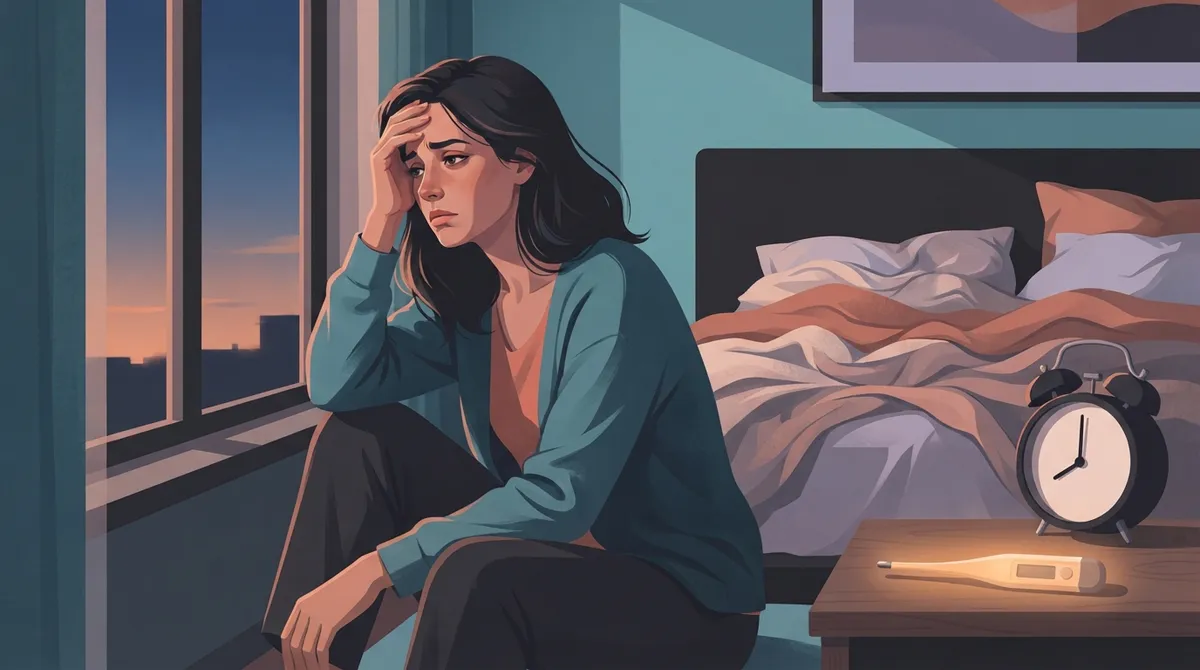
Night sweats, racing thoughts, or simply lying awake staring at the ceiling can all disrupt sleep during perimenopause. Poor sleep and depression feed off each other in a frustrating cycle. Fixing one often helps the other, which is why sleep habits are usually part of a treatment plan.
4. Brain Fog and Cognitive Complaints
Forgetting words mid-sentence or struggling to concentrate at work can feel scary and embarrassing. This \”brain fog\” is a well-documented symptom during hormonal transitions and often improves with proper treatment and support.
5. Loss of Interest in Activities You Used to Enjoy
When hobbies, socializing, or even spending time with loved ones start to feel like a chore, that’s worth paying attention to. This loss of interest, paired with low energy, is a hallmark sign of clinical depression at any age.
How Perimenopause Depression Differs From Major Depression
One common question we hear is: how do I know if this is perimenopause or just regular depression? The truth is, the symptoms can look very similar. The key differences often come down to timing and other physical symptoms.
| Feature | Perimenopause Depression | Major Depressive Disorder |
|---|---|---|
| Typical Age of Onset | Mid-40s to early 50s | Can occur at any age |
| Physical Symptoms | Hot flashes, night sweats, irregular periods | Not typically hormone-related |
| Mood Pattern | May fluctuate with hormone cycles | More consistent day to day |
| First-Line Treatment Options | Hormone therapy, psychotherapy, lifestyle changes | Psychotherapy, antidepressants |
| Risk Factors | Perimenopause transition, prior mood history | Genetics, stress, trauma history |
A thorough evaluation from a mental health professional can help rule out other causes, including thyroid issues, autoimmune conditions, or life stressors that may mimic or worsen depressive symptoms. This is why working with someone who understands both the hormonal and psychological pieces matters so much.
Treatment Options That Actually Help
The encouraging news is that perimenopause depression is treatable, often with a combination approach. Here are the most common paths clients explore.
Psychotherapy
Talk therapy remains one of the most effective tools for managing depression during this life stage. Approaches like cognitive behavioral therapy help you challenge negative thought patterns and build healthier coping skills. Many women also benefit from exploring Mood Issues in a supportive, judgment-free space.
Hormone Therapy
For some women, especially those also experiencing hot flashes or night sweats, menopausal hormone therapy (MHT) is considered a first-line option by many clinicians. Estrogen therapy has shown antidepressant effects in perimenopausal women with vasomotor symptoms, though it is not officially approved specifically for depression. This is always a conversation to have with your gynecologist or primary care provider alongside your therapist.
Antidepressant Medication
Standard depression treatments, including antidepressants, remain effective and appropriate for many women during perimenopause. Some research suggests certain medications may be especially helpful for post- and perimenopausal patients, though more study is still needed in this area.
Lifestyle and Self-Care Strategies
Small daily habits can add up to meaningful mood support. Consider these steps:
- Prioritize consistent sleep, even if it means adjusting your bedtime routine
- Move your body regularly, even a daily walk counts
- Limit alcohol and caffeine, which can worsen anxiety and sleep issues
- Practice stress-reduction techniques like deep breathing or mindfulness
- Stay connected with supportive friends, family, or a therapist
When Should You Seek Professional Support?
Public health guidance suggests reaching out for help if symptoms last more than two weeks or start affecting your work, relationships, sleep, or daily life. Perimenopause is recognized as a period of increased vulnerability for new or returning mood and anxiety disorders. Waiting it out rarely makes things better on its own.
Here’s a simple checklist to help you decide if it’s time to reach out:
- You’ve felt sad, flat, or hopeless most days for two weeks or longer
- Your sleep is consistently disrupted, even without night sweats
- You’ve lost interest in things you normally enjoy
- Friends or family have noticed a change in your mood or behavior
- You’re relying more on alcohol or other coping habits to get through the day
Meet Margaret Deuerlein: Compassionate Support for This Life Stage
Navigating perimenopause depression can feel isolating, but you don’t have to figure it out alone. About Margaret Deuerlein, a caring and experienced psychotherapist at West Florida Therapy, works with women facing exactly these kinds of mood changes. She takes a warm, collaborative approach, helping clients understand what’s happening in their bodies and minds while building practical tools for relief.
Margaret often works alongside clients’ medical providers to ensure a well-rounded approach to care. This might include coordinating with a gynecologist about hormone therapy while also addressing thought patterns, relationship stress, or Trauma Therapy needs that may be surfacing during this transition. If you’re in Brandon or anywhere in Florida, sessions are available both in-person and through Telehealth Therapy Florida, making support accessible no matter your schedule.
Why a Team Approach Matters
Perimenopause depression sits at the crossroads of hormones and mental health, which means the best care often involves more than one professional. A mental health provider working alongside your gynecologist or primary care doctor can offer more complete, personalized support. This kind of teamwork helps rule out other causes and ensures you’re not missing a piece of the puzzle.
For general guidance on statewide mental health resources, the Mental Health Links page from the Florida Department of Health offers helpful information. The Substance Abuse & Mental Health division also provides resources for Floridians seeking additional support options. And for broader guidance on caring for your mental well-being, the CDC’s Mental Health Resources page is a solid, trustworthy starting point.
Supporting Your Whole Self During This Transition
Perimenopause doesn’t just affect your hormones, it can ripple into your relationships, career, and sense of identity. Many women find it helpful to also explore Relationship Problems that may surface during this time, especially if mood changes are creating tension at home. Couples sometimes benefit from Couples Therapy to build understanding and communication during this transition together.
Taking care of your overall well-being also means tending to daily habits and self-care routines. If you’re managing dental health alongside everything else, providers like Dental Theory in the Brandon area can help you stay on top of your physical health too, since whole-body wellness supports mental wellness. Small consistent care across all areas of life adds up over time.
You Deserve to Feel Like Yourself Again
Perimenopause depression is real, common, and treatable. You don’t have to accept feeling anxious, foggy, or joyless as your new normal. With the right combination of support, whether that’s therapy, hormone treatment, lifestyle changes, or all three, most women find real relief.
If you’ve been struggling with mood changes during this life stage, know that caring, experienced help is available right here in Florida. Curious what others have experienced? You can Visit us on Google — West Florida Therapy to read reviews from real clients who found support during difficult transitions.
You don’t have to navigate this alone, and reaching out is a sign of strength, not weakness. If you’re ready to talk with someone who understands both the hormonal and emotional sides of this journey, Get in Touch with Our Team today to schedule your free 15-minute consultation. Relief is possible, and it can start with one simple conversation.
FAQs
Q: What is perimenopause depression?
A: Perimenopause depression refers to new or worsening depressive symptoms that show up during the years leading to menopause, often triggered by shifting estrogen levels. It’s not a separate official diagnosis, but it’s very real and very treatable, so please know you’re not imagining things.
Q: How do you tell the difference between perimenopause and major depression?
A: Perimenopause depression often comes with physical clues like hot flashes, night sweats, or irregular periods, while standard depression doesn’t have those hormonal signals. A caring therapist can help sort out what’s going on and guide you toward the right kind of support.
Q: Can hormone therapy help with mood changes in perimenopause?
A: Yes, for many women, hormone therapy can ease mood symptoms, especially when paired with hot flashes or night sweats. It’s best discussed with your gynecologist alongside your therapist so you get a well-rounded treatment plan.
Q: When should someone see a mental health professional for perimenopause symptoms?
A: If low mood, anxiety, or irritability last more than two weeks or start affecting your daily life, it’s time to reach out. You deserve support, and reaching out early can make the whole journey feel a lot more manageable.
Q: What role do psychologists or psychiatrists play in perimenopause care?
A: Mental health professionals help with therapy, coping strategies, and coordinating care with your medical doctor when hormone treatment is being considered. This team approach often leads to the best, most complete relief.