
Key Takeaways
-
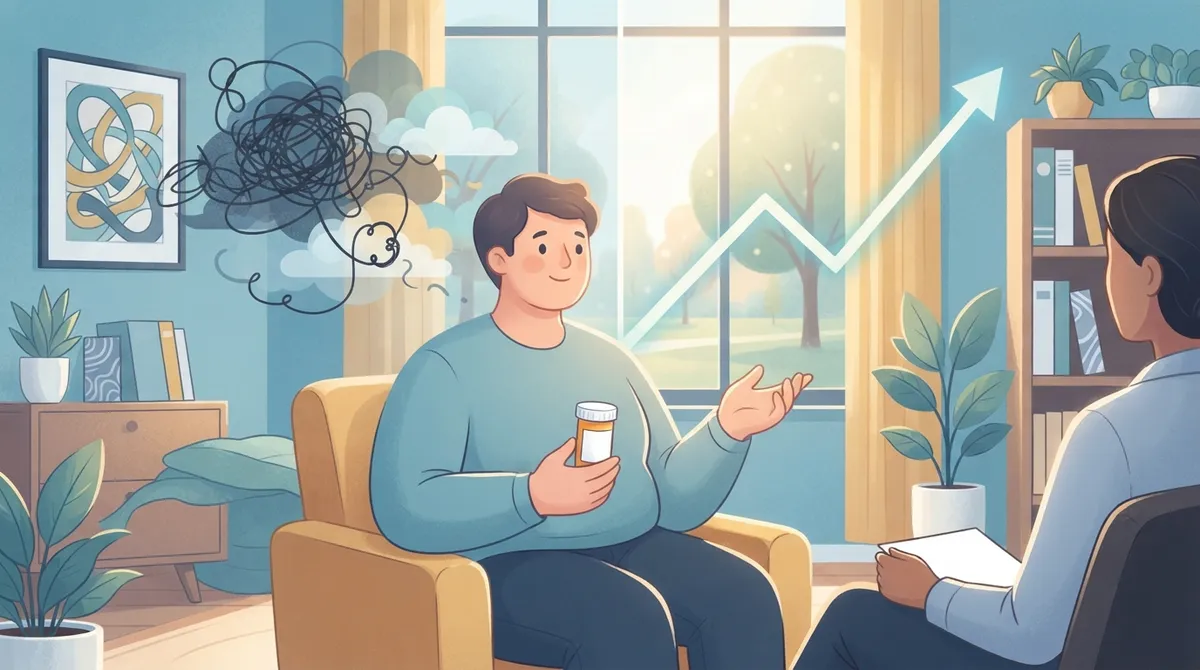
Antidepressants work best for anxiety when combined with therapy like CBT; medication alone rarely solves anxiety completely, as pills quiet the noise while therapy teaches you to change thought patterns.
-
SSRIs and SNRIs are the first-line treatment for anxiety disorders because they have better safety profiles than benzodiazepines and do not carry dependency risks, making them suitable for long-term use.
-
Antidepressants typically take 2-6 weeks to show noticeable effects and longer to reach full benefit; stopping medication too early is a major reason people think it doesn't work.
-
Continue antidepressants for 6-12 months after symptoms improve to prevent relapse; stopping suddenly can cause withdrawal-like symptoms and anxiety recurrence, sometimes worse than before.
-
Not all antidepressants work the same way—venlafaxine XR is the only one with dual FDA approval for both depression and GAD, making it ideal for people dealing with both conditions simultaneously.
-
Different anxiety types respond to different medications: sertraline and paroxetine target social anxiety, while escitalopram and duloxetine are FDA-approved for generalized anxiety disorder.
If you have been Googling “antidepressants for anxiety” at 2 a.m. while your mind races through worst-case scenarios, take a breath. You are not alone, and you are definitely not broken. So many folks across Florida sit in our office feeling confused about medication, therapy, or both. This guide walks you through the most common mistakes people make when considering antidepressants for anxiety, so you can make informed, confident choices about your mental health journey.
We will keep things simple and friendly here. No confusing medical jargon, just honest information paired with the kind of warmth you deserve. And if you ever want to talk things through with a real person, our team at West Florida Therapy is always just a message away.

Why Antidepressants Come Up in Anxiety Treatment
It might seem strange that a medication named for depression gets prescribed for anxiety. But SSRIs (Selective Serotonin Reuptake Inhibitors) and SNRIs (Serotonin-Norepinephrine Reuptake Inhibitors) are actually the first-line treatment recommended for anxiety disorders. They have a better safety profile than older anti-anxiety drugs like benzodiazepines, and they do not carry the same dependency risks.
These medications work by helping balance brain chemicals like serotonin and norepinephrine. Over time, this can ease symptoms of generalized anxiety disorder (GAD), panic disorder, social anxiety, and even OCD. If you want a deeper dive into how anxiety shows up and gets treated, check out our guide on understanding anxiety signs, types, and treatment options.
Mistake 1: Thinking Medication Alone Will Fix Everything
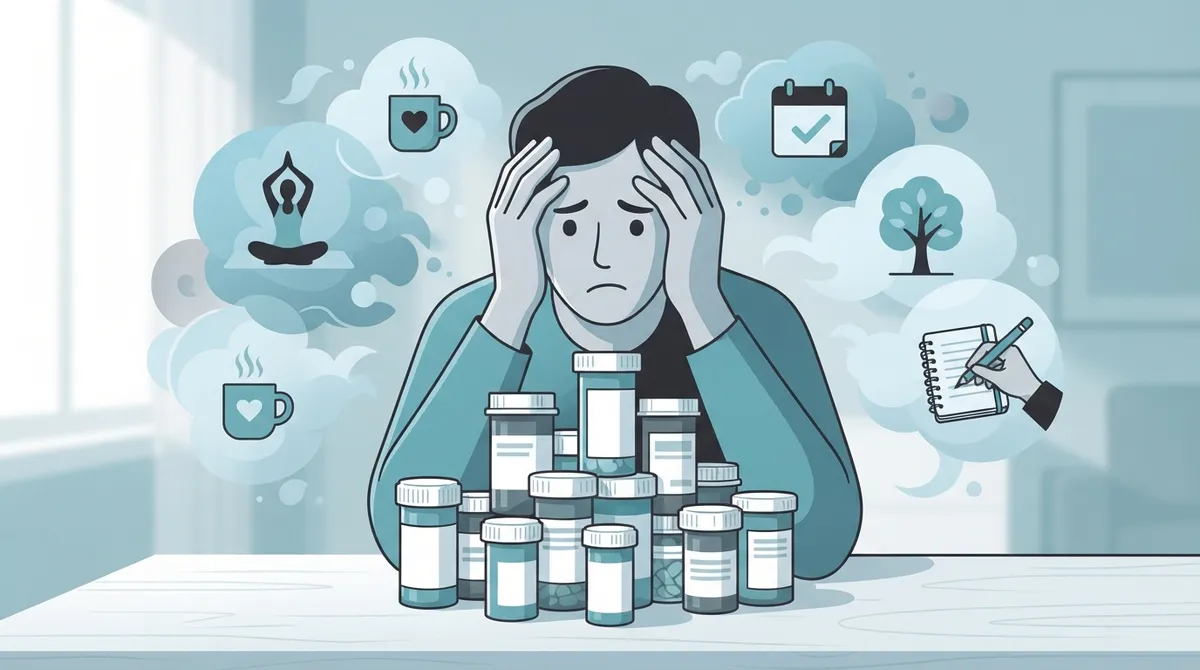
Here is the truth nobody tells you upfront: pills alone rarely solve anxiety completely. Research consistently shows antidepressants work best when paired with therapy, especially Cognitive Behavioral Therapy (CBT). Medication can quiet the noise in your brain, but therapy teaches you the skills to actually change your thought patterns.
Think of it like this: medication opens the window, but therapy is what lets the fresh air in. Combining both gives you the best shot at lasting relief. Our anxiety treatment program is built around this exact combination approach.
Mistake 2: Assuming All Antidepressants Work the Same Way
Not every antidepressant is created equal, and knowing the differences matters. Here is a quick breakdown of commonly prescribed options for anxiety:
| Medication | Type | FDA-Approved For |
|---|---|---|
| Escitalopram (Lexapro) | SSRI | Generalized Anxiety Disorder |
| Paroxetine (Paxil) | SSRI | GAD, Social Anxiety Disorder |
| Sertraline | SSRI | Social Anxiety Disorder, Panic Disorder |
| Duloxetine (Cymbalta) | SNRI | Generalized Anxiety Disorder |
| Venlafaxine XR (Effexor XR) | SNRI | GAD, Social Anxiety Disorder, Depression |
Interestingly, venlafaxine XR is the only antidepressant with a dual FDA approval for both depression and GAD. That makes it a popular choice for people dealing with both conditions at once, since it also has a low risk of interacting with other medications.
Mistake 3: Expecting Instant Results
This one trips up so many people. Antidepressants are not like taking an aspirin for a headache. They typically take two to six weeks to show noticeable effects, and sometimes longer to reach full benefit. Giving up too soon is one of the biggest reasons people feel like medication “does not work” for them.
Patience is hard when you are anxious and want relief right now. That is exactly why pairing medication with support from a licensed psychotherapist can help you get through those early weeks with coping tools in hand.
Mistake 4: Stopping Medication Too Soon
Once you start feeling better, it is tempting to stop. But experts recommend continuing antidepressants for six to twelve months after symptoms improve. Stopping too early raises the risk of relapse, undoing the progress you worked so hard for.
Always talk with your prescribing doctor before making changes. Sudden stops can cause withdrawal-like symptoms and a return of anxiety, sometimes worse than before.
Mistake 5: Confusing Antidepressants with Benzodiazepines
These two categories get lumped together often, but they work very differently. Here is a simple comparison:
- Benzodiazepines act fast but carry a higher risk of dependency and are not meant for long-term use.
- Antidepressants take longer to work but are safer for ongoing, long-term anxiety management.
- Medical guidelines recommend antidepressants as the preferred first-line treatment for most anxiety disorders.
- Benzodiazepines may still have a place for short-term crisis situations, but only under close medical supervision.
If panic attacks are part of your struggle, our article on managing panic attacks offers helpful strategies beyond medication alone.
Mistake 6: Ignoring the Social Anxiety Connection
Social anxiety disorder has its own specific FDA-approved treatments. These include sertraline, paroxetine, paroxetine CR, and venlafaxine XR. If your anxiety flares up mostly in social settings, mentioning this specifically to your provider helps them choose the right medication.
Many clients tell us they thought their social anxiety was just “shyness.” Understanding it as a treatable condition is often the first step toward real relief. Explore more in our piece on proven social anxiety treatments here in Brandon, FL.
Mistake 7: Not Considering Bilingual or Cultural Barriers in Care
For many Spanish-speaking families across Florida, finding a provider who truly understands both language and culture can feel impossible. Medication conversations get lost in translation, and that is not okay when your mental health is on the line.
At West Florida Therapy, we offer bilingual services in English and Spanish, because everyone deserves to be understood in their own words. Margaret Deuerlein and our team are committed to making sure language never stands between you and the care you need. Learn more about Margaret Deuerlein and her approach to compassionate care.
Mistake 8: Skipping Therapy Because You Think Medication Is Enough
We touched on this earlier, but it deserves its own spot because it is such a common trap. Combining medication with talk therapy consistently produces better outcomes than medication alone. Whether you are dealing with generalized anxiety, panic attacks, or trauma-related anxiety, therapy gives you tools medication cannot.
Here is a simple step-by-step of what working with a therapist alongside medication often looks like:
- Initial consultation to discuss your symptoms, history, and goals.
- Collaboration with your prescribing physician (if you already have one) or a referral to a trusted provider.
- Weekly or biweekly therapy sessions to build coping skills like CBT or ACT.
- Regular check-ins to track how medication and therapy are working together.
- Adjustments to your treatment plan as your needs evolve over time.
Our therapy process is designed to walk alongside you through every one of these steps, whether you are in Brandon or connecting virtually from anywhere in Florida.
Mistake 9: Trying to Navigate This Alone Without Support
Anxiety can make you feel isolated, like nobody understands what is happening inside your head. But you do not have to figure out medication questions, therapy options, or coping strategies by yourself.
Whether you are a stressed millennial juggling career pressure, a young adult navigating college life, or a parent worried about your anxious teenager, support is available. Our telehealth therapy services make it easy to get help from home, and in-person sessions are available for those who prefer face-to-face support.
Signs It Might Be Time to Ask About Medication
Not sure if antidepressants are right for you? Consider reaching out if you notice any of these:
- Anxiety interferes with work, school, or relationships on a regular basis.
- You experience physical symptoms like a racing heart, tight chest, or trouble sleeping.
- Therapy alone has not brought the relief you were hoping for.
- Panic attacks happen frequently and unpredictably.
- Your anxiety overlaps with symptoms of depression.
If any of these sound familiar, it might be worth a conversation with both a therapist and a prescribing physician. Our guide on how depression affects daily life can help you spot overlapping symptoms too.
Couples and Families Navigating Anxiety Together
Anxiety does not just affect the person experiencing it. Partners and family members often feel the ripple effects too. If anxiety is straining your relationship, couples therapy can help both partners build understanding and healthier communication patterns.
Parents of anxious teens face a unique challenge as well. Watching your child struggle with school pressure or social anxiety is heartbreaking, but effective, accessible treatment options exist for adolescents too, both in-person and through virtual sessions.
Trusted Resources for Learning More
Beyond our office, there are wonderful state and federal resources available to Florida residents seeking mental health support. The Florida Department of Health’s mental health resources offer helpful state-specific information. You can also explore Florida’s substance abuse and mental health services for broader support programs across the state.
For general mental health education, the CDC’s mental health resources provide reliable, up-to-date guidance backed by public health experts.
What Makes West Florida Therapy Different
We know Brandon and the surrounding Florida communities well, and we care deeply about making mental health care accessible. Whether you need support for mood issues, help processing trauma, or guidance managing anxiety alongside medication, our licensed team is here for you.
Curious what real clients say about working with us? Feel free to visit us on Google — West Florida Therapy and read honest reviews from people who have walked this path before you.
Final Thoughts on Antidepressants for Anxiety
Choosing whether antidepressants are right for your anxiety is a deeply personal decision. It should never be made alone, in a rush, or without support from people who genuinely care about your wellbeing. Avoiding these nine common mistakes puts you on a much stronger path toward lasting relief.
Remember, medication is just one piece of the puzzle. Combined with therapy, community support, and patience with yourself, real healing is possible. If you are ready to talk through your options with someone who understands, reach out to our team today for a free 15-minute consultation. You deserve support, and we would be honored to walk this journey with you.
FAQs
Q: What are the best antidepressants for generalized anxiety disorder (GAD)?
A: The most commonly prescribed options include escitalopram (Lexapro), paroxetine (Paxil), duloxetine (Cymbalta), and venlafaxine XR (Effexor XR). Each works a little differently, so your provider will help find the best fit for your specific symptoms and health history.
Q: Are SSRIs more effective than benzodiazepines for treating anxiety?
A: SSRIs and SNRIs are generally preferred as the first-line treatment because they offer a safer long-term option with lower dependency risk. Benzodiazepines can work quickly but are usually reserved for short-term or crisis situations under close medical supervision.
Q: How long should you stay on antidepressants for anxiety after symptoms improve?
A: Most guidelines suggest continuing medication for six to twelve months after your symptoms improve. This helps prevent relapse and gives your brain chemistry time to stabilize fully before considering any changes.
Q: Can antidepressants treat both depression and anxiety at the same time?
A: Yes, many antidepressants like venlafaxine XR are FDA-approved to treat both conditions simultaneously. This is especially helpful since anxiety and depression often show up together in the same person.
Q: Is it safe to combine antidepressants with therapy for anxiety?
A: Absolutely, and it is often the most effective approach. Combining medication with therapy, like CBT, gives you both chemical balance and practical coping skills for lasting relief.