
Key Takeaways
-
Strong communication patterns are the biggest predictor of successful trust rebuilding; therapists teach practical tools like 'I feel' statements, active listening, and repair attempts that couples can use immediately between sessions.
-
Trust rebuilds gradually through small, honest actions repeated over time across five stages: establishing emotional safety, full transparency, consistent accountability, rebuilding intimacy, and creating new relationship agreements.
-
Many couples notice meaningful shifts within weeks of consistent therapy, with real progress after infidelity typically showing up in 3-6 months and full healing taking a year or longer.
-
If only one partner struggles with trust due to past wounds or anxiety, individual therapy alongside couples work is essential to prevent unresolved personal history from weighing down the relationship healing.
-
Reaching out to therapy sooner rather than later accelerates healing; waiting too long after a breach allows resentment to build and emotional distance to grow harder to close.
-
Evidence-based methods like Gottman Method, Emotionally Focused Therapy, and CBT are tailored to specific situations, with bilingual and virtual options available to remove barriers to accessing care in Brandon.
Trust is like the foundation of a house. When it cracks, everything above it starts to feel shaky. If you and your partner are struggling after a betrayal, dishonesty, or years of built-up doubt, please know this: you are not alone, and healing is possible. Trust issues therapy for couples in Brandon gives partners real tools to rebuild what feels broken, one honest step at a time.
Many couples in the Brandon area come to therapy feeling exhausted and unsure if their relationship can survive. That feeling is normal. The good news? With the right support, couples often see real progress within just a few months. This article walks you through what trust issues therapy looks like, how it works, and how to know if it is the right next step for your relationship.
What Is Trust Issues Therapy for Couples?
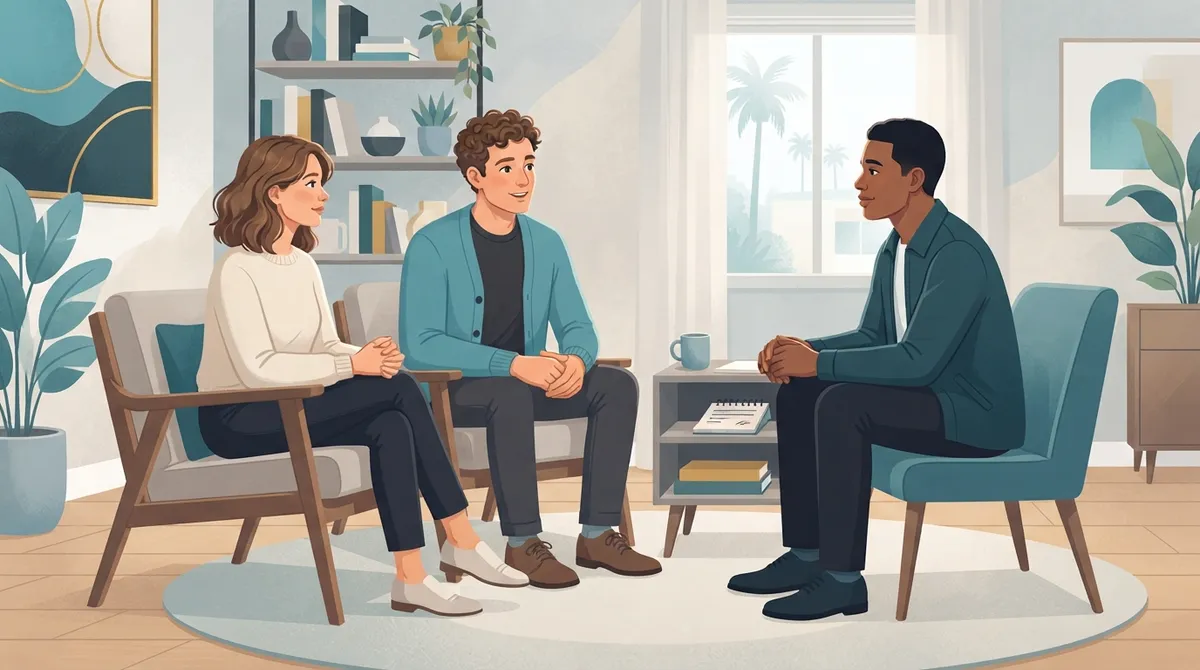
Trust issues therapy is a focused type of couples therapy that helps partners work through broken trust. This could stem from infidelity, ongoing lies, financial secrets, or even old wounds from past relationships that show up in a new one.
A skilled therapist helps both partners feel heard first. Then, together, you build a plan to repair the relationship. This is not about picking sides. It is about understanding what happened, why it happened, and how to move forward together, if that is what both of you want.
Why Brandon Couples Often Seek This Support
Life in Florida moves fast. Work stress, family demands, and busy schedules can quietly wear down a relationship’s foundation. Add a breach of trust on top of that, and couples often feel stuck, angry, or hopeless.
Local couples often search for support because they want:
- A private, judgment-free space to talk openly
- Guidance from someone trained specifically in relationship repair
- Practical tools they can use at home, not just in session
- A safe way to express hurt without the conversation turning into a fight
- Hope that their relationship can actually get better
Evidence-Based Approaches Used in Brandon
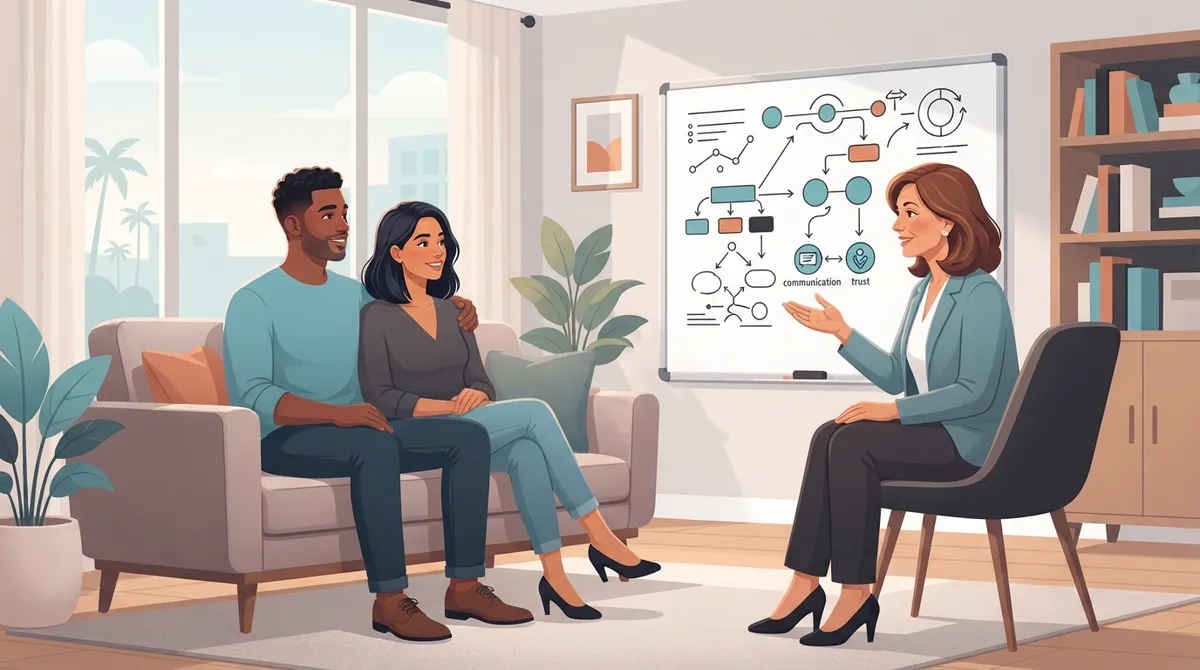
Not every couple needs the same approach. A good therapist tailors treatment to your specific situation. Here are the main methods used in trust issues therapy for couples in Brandon:
| Therapy Method | Best For | What It Focuses On |
|---|---|---|
| Gottman Method | Couples with ongoing conflict patterns | Communication, friendship, and repair skills |
| Emotionally Focused Therapy (EFT) | Couples feeling emotionally distant | Attachment bonds and emotional safety |
| Cognitive Behavioral Therapy (CBT) | Couples with deep-seated mistrust patterns | Changing unhelpful thought patterns |
You can read more about how the Gottman Method can help save your relationship, or explore how Emotionally Focused Therapy works in more detail.
How Rebuilding Trust Actually Works
Trust does not come back overnight. It also is not an all-or-nothing switch. Instead, it grows slowly through small, honest actions repeated over time. Here is the general process couples move through:
The Stages of Rebuilding Trust
- Establish emotional safety. Both partners need to feel safe enough to speak honestly without fear of blowing up the conversation.
- Full transparency from the partner who broke trust. This means answering hard questions honestly, even when it is uncomfortable.
- Consistent accountability over time. Actions need to match words, again and again, until belief slowly returns.
- Rebuilding emotional and physical intimacy. Once safety returns, closeness can start to grow again naturally.
- Creating a new relationship agreement. Many couples decide together what boundaries and expectations look like moving forward.
According to relationship experts, strong communication patterns are one of the biggest predictors of successful trust rebuilding in couples therapy. This is why therapists spend so much time teaching communication tools early in treatment.
How Long Does It Take to Rebuild Trust?
This is one of the most common questions couples ask. The honest answer is that it depends on the situation. However, research and clinical experience point to some general timelines.
- Many couples notice meaningful shifts within the first few weeks of consistent sessions
- Real progress after infidelity typically shows up within 3 to 6 months of steady therapy
- Full healing, where trust feels solid again, often takes a year or longer
- Couples who start therapy early tend to heal faster than those who wait
Waiting too long after a breach of trust can allow resentment to build. The longer emotional distance grows, the harder it becomes to close that gap. If you are feeling unsure, reaching out sooner rather than later usually makes healing smoother.
Communication Tools Taught in Trust Issues Therapy
A big part of trust issues therapy for couples in Brandon involves learning new ways to talk to each other. These skills sound simple, but they take practice. Here are some of the most common tools:
Key Techniques Couples Learn
- “I feel” statements: Instead of saying “You always lie,” you learn to say “I feel scared when I don’t know the full truth.”
- Active listening: This means truly hearing your partner without planning your response while they talk.
- Daily check-ins: A short, scheduled time each day to share feelings and reconnect.
- Repair attempts: Small phrases or gestures that de-escalate arguments before they spiral.
- Timeouts done right: Learning to pause a heated conversation without shutting your partner out completely.
These tools are practical and something you can start using between sessions right away. Our team at West Florida Therapy often builds these skills into early sessions so couples feel progress quickly, not just after months of talking.
What If Only One Partner Struggles With Trust?
This happens more often than you might think. Sometimes one partner carries trust wounds from a past relationship, childhood, or previous betrayal. This can create tension even when the current partner has done nothing wrong.
In these cases, trauma therapy or anxiety treatment alongside couples work often makes a big difference. Individual sessions help that partner understand where the fear comes from. This way, the couple work does not carry the weight of unresolved personal history.
Signs Individual Therapy Might Help Too
- You notice patterns of jealousy that feel bigger than the current situation
- Past relationships still affect how you react today
- You struggle to relax even when your partner has been consistent and honest
- Anxiety or panic shows up around trust-related topics
Margaret Deuerlein and the team at West Florida Therapy understand how personal history shapes relationship patterns. Margaret brings a warm, patient approach to helping individuals and couples work through these deeper layers, so healing does not stop at the surface. You can learn more about Margaret Deuerlein and her approach to care.
Signs Therapy Is Actually Working
Progress in trust issues therapy does not always look dramatic. Often it shows up in small, quiet ways. Here are signs couples often notice:
- Conversations about the past feel less explosive over time
- Both partners start asking questions instead of making accusations
- Small acts of honesty start to feel noticeable again
- You catch yourselves using the communication tools without thinking about it
- There are more calm days than tense ones
If you are not seeing these shifts after several months, it does not mean therapy has failed. It might mean your treatment plan needs adjusting, or that individual work needs to happen alongside couples sessions.
Can a Relationship Really Survive a Major Breach of Trust?
Many couples wonder if healing is even possible after something like infidelity. The honest answer is yes, for many couples, it is. Success depends on both partners’ willingness to stay engaged in the process, even when it is uncomfortable.
Full transparency matters here. This does not mean staying in a situation where dishonesty continues. It means the partner who broke trust needs to be fully honest and consistent moving forward, not just in words but in daily actions. You can read more about how Brandon couples rebuild trust after infidelity for a deeper look at this process.
Bilingual and Flexible Support Options
We know that seeking therapy can feel intimidating, especially if language is a barrier. West Florida Therapy offers bilingual services in English and Spanish, so more couples across Florida can access the support they need without added stress.
Sessions are available in person in Brandon, or virtually anywhere in Florida through telehealth therapy. This flexibility means busy schedules, distance, or comfort level do not have to stand in the way of getting help.
Why Flexibility Matters for Couples
- Not every couple feels ready for in-person sessions right away
- Work schedules and childcare can make weekly office visits hard
- Virtual sessions still allow full engagement in evidence-based methods
- Both partners can join from home, which sometimes feels less pressured
For more on how this works, take a look at why virtual therapy for adults is a game changer for many local clients.
Getting Started With Trust Issues Therapy in Brandon
Taking the first step is often the hardest part. You might feel scared, unsure, or even a little hopeful. All of that is okay. A good therapist meets you exactly where you are, without judgment.
Our process starts with a simple conversation. From there, we build a plan together based on your specific situation, whether that means couples sessions, individual support, or both combined.
You do not need to have everything figured out before reaching out. You just need to be willing to try. If you would like to see what other clients have experienced, you can visit us on Google — West Florida Therapy to read real reviews from the community.
For additional community mental health resources, the Florida Department of Health’s mental health resource page offers helpful information. The Florida Department of Children and Families also provides statewide mental health support options. And for general guidance on emotional wellbeing, the CDC’s mental health resources are a trusted place to start.
If you are also focused on overall wellness during this season, taking care of small daily habits matters too, and local partners like Charming Smiles of Ocoee can support that broader picture of self-care while you work on your relationship.
Moving Forward Together
Trust issues therapy for couples in Brandon is not about assigning blame or dredging up pain for no reason. It is about building a bridge back to each other, one honest conversation at a time. Progress is possible, even when things feel heavy right now.
You and your partner deserve a relationship built on honesty, safety, and real connection. Whether the hurt is recent or has been building for years, support is available right here in Brandon and across Florida through virtual sessions. Ready to take that first step? Reach out to our team today to schedule your free 15-minute consultation and start your path toward healing together.
FAQs
Q: How long does it take to rebuild trust after infidelity in couples therapy?
A: Every couple heals at their own pace, but many see real progress within 3 to 6 months of consistent therapy. Full healing often takes a year or longer, and that is completely normal. What matters most is staying committed to the process, even on the hard days.
Q: What are the best therapy methods for couples with trust issues in Brandon, FL?
A: It really depends on your specific situation. The Gottman Method works wonderfully for ongoing conflict, Emotionally Focused Therapy helps with emotional distance, and CBT is great for deep-rooted mistrust patterns. A good therapist will help figure out which approach, or combination, fits your relationship best.
Q: Can individual therapy help with trust issues in a relationship?
A: Absolutely, and it often makes a huge difference. Sometimes trust struggles come from past experiences or personal anxiety, and working through those individually can take pressure off the couple’s sessions. Many of our clients find that combining both types of therapy leads to faster, deeper healing.
Q: Is it possible to save a relationship after a major breach of trust?
A: Yes, for many couples, it truly is possible. It takes honesty, patience, and both partners showing up consistently, but we have seen relationships heal and grow stronger than before. It is not always easy, but it is absolutely worth trying.
Q: Do I need to stop the affair completely before starting trust rebuilding therapy?
A: Yes, complete honesty and ending any ongoing betrayal is essential before real healing can begin. Trust cannot rebuild while dishonesty continues in the background. Once that transparency is in place, therapy can help you both move forward together.