
Key Takeaways
-
EFT (Emotionally Focused Therapy) shows 70-75% of couples move from distress to recovery, with gains lasting years after therapy ends because it reshapes the emotional bond itself, not just surface behaviors.
-
Learn specific communication tools from the Gottman Method like softening issue presentation, active listening, and daily connection rituals to transform conversations from arguments into genuine understanding.
-
Emotional distance often manifests as quiet withdrawal—missed conversations, forced physical affection, separate screens—not dramatic conflict, making early intervention crucial before patterns feel unfixable.
-
Individual therapy alone can be effective if your partner won’t attend; working on your own patterns sometimes creates enough positive change that your partner becomes willing to join later.
Do you feel like you and your partner are living as roommates instead of soulmates? Maybe the conversations are shorter. Maybe the hugs feel routine. If this sounds familiar, you are not alone, and you are definitely not broken. Brandon emotional connection therapy for couples is designed for exactly this moment, when love is still there but the closeness has quietly faded.
At West Florida Therapy, we see couples every week who are simply tired of feeling distant. The good news? Emotional distance is not a life sentence. With the right support and proven tools, you can rebuild the bond that brought you together in the first place. Let’s walk through six clear signs that it might be time to reach out, plus what real, effective therapy looks like.

1. You Feel More Like Roommates Than Partners
This is one of the most common reasons couples reach out for help. It rarely starts with a big blowout fight. Instead, it creeps in quietly through missed conversations and unspoken frustrations.
- You handle logistics together but rarely talk about feelings
- Physical affection has become rare or feels forced
- You spend evenings in the same room but on separate screens
- Date nights feel awkward or have stopped completely
These signs matter because emotional distance often shows up as quiet withdrawal, not dramatic conflict. That is exactly why early intervention through Brandon intimacy issues therapy can make such a big difference before things feel unfixable.
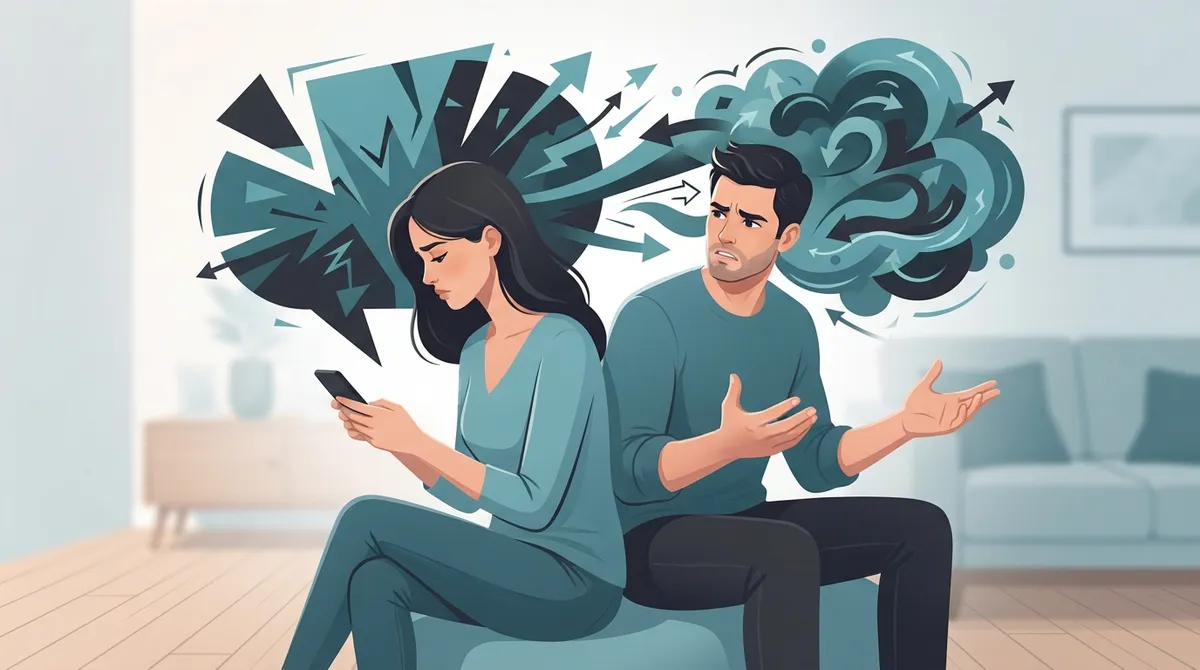
2. Communication Turns Into Avoidance or Arguments
Maybe every conversation about finances turns into a fight. Or maybe you have stopped bringing up hard topics at all because it just is not worth the tension. Both patterns point to the same root problem: a breakdown in emotional safety.
How Therapists Address This Pattern
Our approach often draws from the Gottman Method, which gives couples specific, research-backed tools for daily communication. This method helps partners learn to soften how they bring up issues and truly hear each other again.
Skill-building sessions typically focus on:
- Identifying your unique communication patterns
- Learning to pause before reacting defensively
- Practicing active listening techniques together
- Replacing criticism with clear, kind requests
- Building daily rituals of connection, even small ones
3. Unmet Needs Keep Showing Up as Conflict
Sometimes what looks like an argument about dishes is really about feeling unseen or unimportant. This is where Emotionally Focused Therapy (EFT) becomes so valuable.
EFT looks at relationship distress through the lens of attachment theory. It helps couples see that negative patterns, like nagging or shutting down, are usually symptoms of deeper attachment needs that are not being met. Once couples understand this, blame tends to soften, and empathy grows.
The numbers back this up. Studies show that 70-75% of couples move from distress to recovery using EFT, and about 90% show significant improvement. Even better, these gains tend to last. Because EFT reshapes the actual emotional bond, couples often maintain their progress for years after therapy ends.
4. Trust Has Been Broken and Needs Rebuilding
Infidelity, emotional affairs, or ongoing dishonesty can shatter a couple’s sense of safety. Rebuilding after betrayal is hard, but it is far from impossible with the right support.
| Stage of Recovery | What Happens | Typical Focus |
|---|---|---|
| Stabilization | Managing intense emotions and creating safety | Reducing crisis-level reactions |
| Understanding | Exploring what led to the breach of trust | Building honest dialogue |
| Rebuilding | Creating new patterns of transparency | Restoring emotional intimacy |
Whether the issue is infidelity or a slow erosion of trust, relationship problems like these respond well to structured, evidence-based therapy. Recovery is possible, and many couples come out with a stronger connection than before.
5. You Are Considering Therapy, But Your Partner Is Not Ready
This situation comes up more than you might think. Maybe you want help, but your partner is hesitant or unwilling to attend sessions right now. That does not mean you are stuck.
Individual therapy can still be incredibly helpful in this case. It gives you space to gain clarity, understand your own patterns, and decide on next steps with confidence. Sometimes, one partner working on themselves creates enough positive change that the other becomes open to joining later.
Margaret Deuerlein, a caring and experienced psychotherapist at West Florida Therapy, often works with individuals navigating exactly this kind of uncertainty. She helps clients feel heard, supported, and empowered, whether they are working solo or eventually bring their partner into the process. You can learn more about Margaret Deuerlein and her approach to compassionate, individualized care.
6. You Are Ready but Not Sure Where to Start
If you know something needs to change but feel unsure about the process, you are in good company. Here is a simple breakdown of what Brandon emotional connection therapy for couples typically looks like from start to finish.
The Step-by-Step Therapy Process
- Initial consultation: A short conversation to understand your concerns and goals
- Personalized assessment: Getting a clear picture of your relationship history and patterns
- Skill-building sessions: Learning tools for communication and emotional attunement
- Processing deeper issues: Addressing attachment wounds, past hurts, or trust concerns
- Progress checks: Regular check-ins to celebrate wins and adjust the plan as needed
This structured therapy process gives couples clarity every step of the way. There is no guesswork, just a clear path forward.
Why Evidence-Based Approaches Matter
Not all couples therapy is created equal. Approaches rooted in solid research, like EFT and the Gottman Method, tend to produce more consistent and lasting results. Typical EFT treatment runs 8-20 sessions, which is shorter than many other therapy models, yet the changes tend to stick.
These approaches also flex to meet different needs. Whether you are part of an intercultural relationship, navigating a medical diagnosis together, or managing mental health challenges as a couple, therapy can be tailored to fit your specific situation. This flexibility is part of what makes couples therapy so valuable across such a wide range of relationships.
Common Signs Emotional Distance Is Growing
- Conversations feel surface-level or transactional
- You avoid bringing up sensitive topics to prevent conflict
- Physical affection has noticeably decreased
- You feel lonely even when your partner is nearby
- Small disagreements escalate quickly into bigger fights
- You find yourself confiding in others instead of your partner
If several of these resonate with you, it might be time to explore support through relationship and communication issues counseling before these patterns become more entrenched.
Bilingual Support for Florida Couples
Language should never be a barrier to healing your relationship. West Florida Therapy offers bilingual services in English and Spanish, making emotional connection therapy accessible to more couples across Florida. Whether one or both partners feel more comfortable speaking Spanish, sessions can be tailored to meet your family’s needs.
Sessions are available in person in Brandon, and virtually for couples anywhere in Florida. This flexibility means distance or a busy schedule does not have to stand between you and a stronger relationship. If you want to see what real clients have experienced, you can visit us on Google — West Florida Therapy to read reviews from the community.
Additional Resources for Mental Health Support
Relationship health is deeply tied to overall mental wellness. For broader support, the Florida Department of Health mental health resources offer helpful statewide information. The Florida Department of Children and Families also provides guidance on accessing local mental health and substance abuse services. And for general wellness tips that support any relationship, the CDC’s mental health resources are a solid, trustworthy starting point.
If anxiety or stress is adding tension to your relationship, it may help to also explore anxiety treatment alongside couples work. Similarly, unresolved trauma therapy needs can quietly affect how partners connect, so addressing both individual and relational health often works best.
You Deserve a Relationship That Feels Good Again
Feeling disconnected from your partner does not mean your relationship is doomed. It simply means it is time for some intentional care and expert guidance. Whether you are dealing with quiet distance, communication struggles, or the aftermath of betrayal, there is a path forward, and you do not have to walk it alone.
Margaret Deuerlein and the team at West Florida Therapy are here to help you rebuild trust, deepen intimacy, and rediscover your connection. Ready to take that first step? Reach out to schedule your free consultation today and start the journey back to each other.
FAQs
Q: What is Emotionally Focused Therapy (EFT) for couples in Brandon?
A: EFT is an approach that looks at relationship struggles through the lens of attachment needs, not just surface-level conflict. It helps couples understand that behaviors like withdrawing or arguing often come from feeling unseen or unsafe. Many couples find it incredibly effective, with studies showing 70-75% move from distress to recovery.
Q: How does the Gottman Method help rebuild emotional connection?
A: The Gottman Method gives couples specific, everyday tools for better communication and connection. It focuses on small rituals, like checking in daily, and teaches partners how to bring up issues without triggering defensiveness. It pairs beautifully with emotional work to create lasting change.
Q: Can I get emotional connection therapy if my partner won’t come?
A: Absolutely, yes! Individual therapy is a wonderful option if your partner isn’t ready for couples sessions. It helps you gain clarity, build confidence, and sometimes even inspires your partner to eventually join in.
Q: How many sessions of couples therapy are needed to improve intimacy?
A: Many couples see meaningful progress within 8-20 sessions, especially with approaches like EFT. Every relationship is different though, so your therapist will tailor the pace to fit your specific needs and goals.
Q: Is Brandon intimacy issues therapy effective for infidelity recovery?
A: Yes, structured couples therapy is one of the most effective ways to heal after infidelity. It helps rebuild trust step by step, starting with emotional safety and moving toward honest, open communication again.