
Key Takeaways
-
Research shows separation is linked to depression rates 3.2 times higher than average, with rates of suicidal behavior 1.7-3.4 times higher post-separation—seek professional help immediately if experiencing suicidal thoughts.
-
Separation depression differs from normal grief: grief follows a natural arc and softens over time, while separation depression stays flat or worsens without professional intervention, often warranting evaluation if symptoms persist beyond six months.
-
Cognitive-behavioral therapy (CBT) is one of the most evidence-based treatments for separation depression, helping identify and reshape thought patterns fueling anxiety and depression without always requiring medication.
-
Physical symptoms like headaches, stomachaches, and sleep disruption are common manifestations of separation depression—if doctors find no physical cause, exploring mental health is the critical next step.
-
Children and teens often show separation depression as school refusal, unexplained physical complaints, and irritability rather than sadness, so early therapy intervention is key to preventing long-term functional impairment.
-
Excessive clinginess, constant reassurance-seeking, and poor boundaries in adults signal separation anxiety that requires professional support to break the cycle before it strains relationships further.
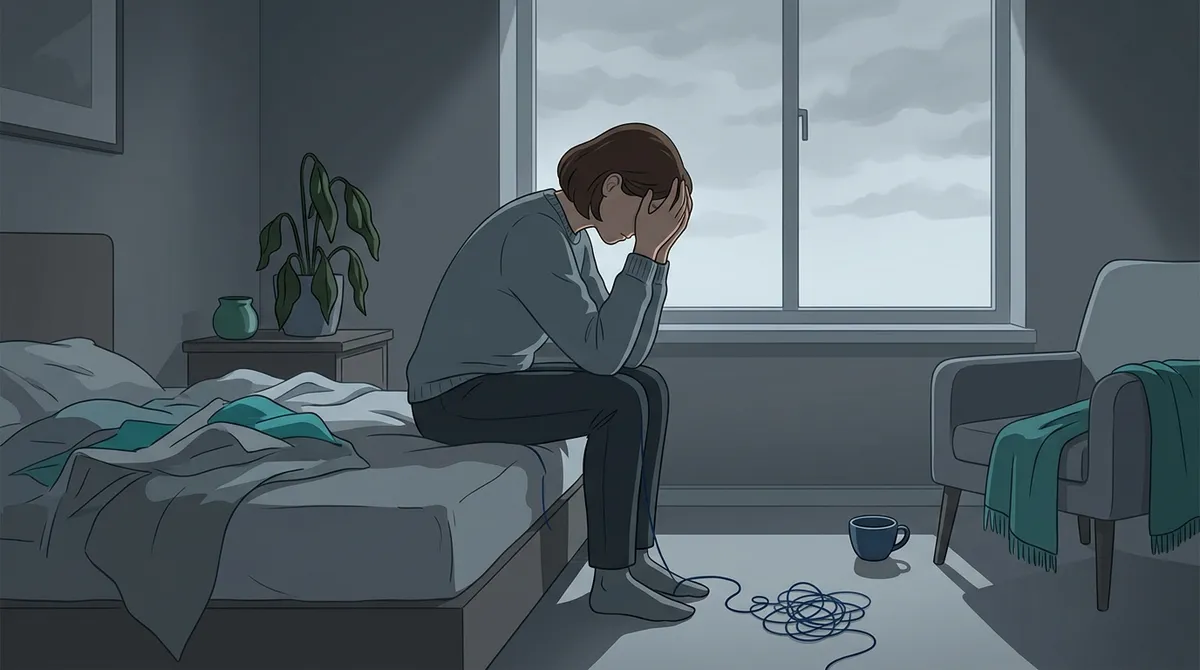
Losing a close relationship or struggling with separation can feel like the ground has shifted beneath your feet. Whether you’re going through a breakup, a divorce, or dealing with overwhelming fear when loved ones are away, separation depression is a very real and painful experience. You are not alone — and more importantly, you don’t have to figure it out by yourself.
Research shows that relationship separation is linked to significantly higher rates of depression, with some studies showing depression rates 3.2 times higher in people who have experienced a major separation. That’s a striking number — and it tells us that what you’re feeling has real, measurable roots. Understanding the signs is the first step toward healing.
Below, we walk through 13 key signs of separation depression, explain what’s going on, and share how professional support can make a real difference. If any of these resonate with you, keep reading — hope and healing are closer than you think.

What Is Separation Depression?
Separation depression refers to the emotional and mental health struggles that arise after a significant relationship ends or from intense fear of being separated from someone you love. It can show up after a romantic breakup, a divorce, the loss of a close friendship, or even in children and adults who experience separation anxiety disorder (SAD).
SAD is one of the most common childhood anxiety disorders, but it can also persist into adolescence and adulthood. When untreated, it can spiral into full-blown depression. Understanding what depression is and how it affects your daily life is a great starting point for recognizing what’s happening in your mind and body.
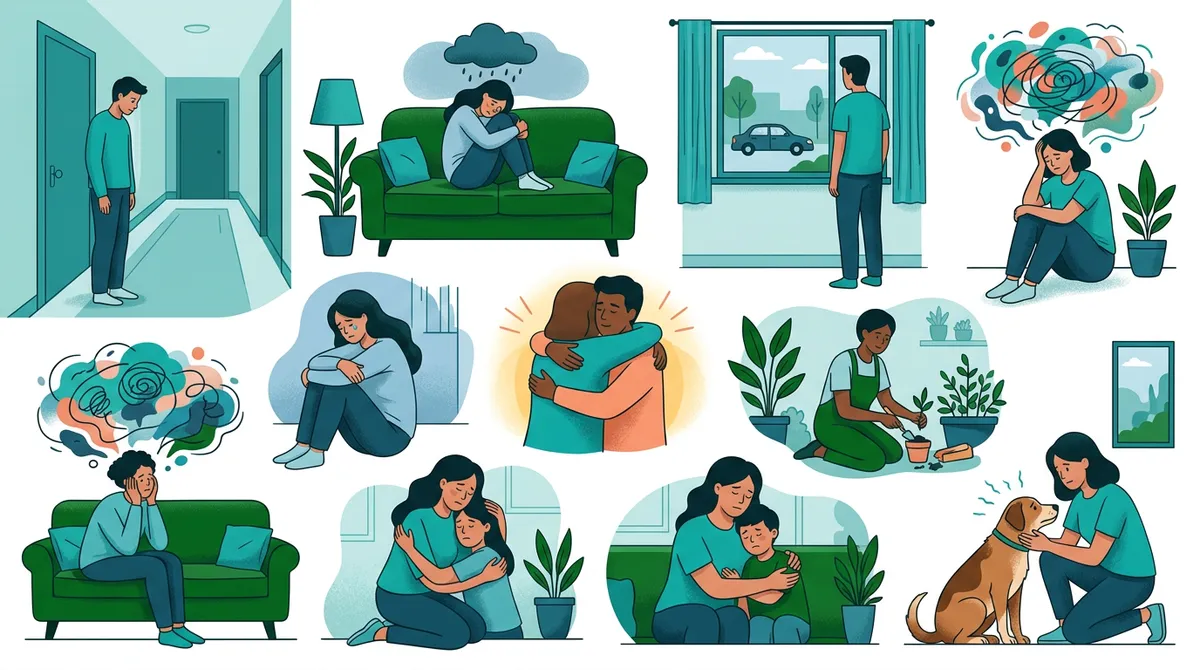
13 Signs of Separation Depression to Watch For
1. Persistent Sadness That Won’t Lift
Feeling sad after a separation is normal. But when that sadness stays for weeks and doesn’t seem to ease up, it may be more than just grief. Persistent low mood is one of the most common indicators of separation depression. It can make everyday tasks feel heavy and joyless.
2. Excessive Worry About Losing Loved Ones
People dealing with separation anxiety disorder often experience constant, overwhelming worry about losing important people in their lives. This isn’t just regular concern — it’s the kind of worry that interrupts your sleep, your focus, and your relationships. If this sounds familiar, exploring anxiety treatment options could be a valuable next step.
3. Reluctance or Refusal to Be Alone
Avoiding being alone — even for short periods — is a hallmark sign of separation anxiety. Adults may insist on having someone nearby at all times or feel intense dread when left alone. This clinginess can strain even the strongest relationships over time.
4. Sleep Problems
Difficulty falling asleep, staying asleep, or having nightmares about separation are all signs to pay attention to. Sleep disruption is both a symptom of and a contributor to depression — making it a cycle that can be hard to break without support. Poor sleep affects mood, focus, and physical health in profound ways.
5. Physical Symptoms Like Headaches or Stomachaches
Separation depression doesn’t just live in your mind. It shows up in your body, too. Headaches, stomachaches, nausea, and general physical discomfort are common physical symptoms linked to separation anxiety and depression. If your doctor can’t find a physical cause, your mental health may be worth exploring.
6. Loss of Interest in Activities You Used to Love
When depression takes hold, hobbies and activities that once brought joy start to feel pointless or exhausting. You might stop seeing friends, skip the gym, or lose interest in work projects. This withdrawal is one of the clearest signs that something deeper is going on beneath the surface.
7. Difficulty Concentrating or Making Decisions
Separation depression can make your mind feel foggy. Simple decisions become overwhelming, and focusing at work or school becomes a real challenge. This cognitive impact is often overlooked, but it’s one of the most disruptive parts of depression for many people — especially busy millennials and Gen Z young adults juggling real-life responsibilities.
8. Excessive Clinginess or Poor Boundaries
Adults struggling with separation anxiety may become overly dependent on a partner, friend, or family member. This can look like constantly checking in, needing repeated reassurance, or feeling deeply threatened when someone needs space. Recognizing this pattern is an important step. Learning more about relationship problems and how to address them can help.
9. Changes in Eating Habits
Eating too much or too little is a common response to emotional distress. Separation depression often disrupts your appetite. Some people lose interest in food entirely, while others turn to food for comfort. Either extreme can affect your health and energy levels over time.
10. Nightmares About Separation
Recurring nightmares — especially ones where you lose someone or are abandoned — are a documented symptom of separation anxiety disorder. These dreams can make sleep feel unsafe and leave you exhausted and emotionally raw when you wake up. They’re your mind’s way of processing fear it hasn’t been able to work through yet.
11. Feeling Irritable or Easily Frustrated
Depression doesn’t always look like sadness. In many people — especially teenagers and young adults — it shows up as irritability, anger, or snapping at the people you care about most. If you’ve noticed a short fuse lately, it may be worth checking in on your mood and emotional health.
12. Avoiding School, Work, or Social Situations
One major complication of separation depression is functional impairment. Kids may refuse to go to school. Adults may call in sick to work repeatedly or turn down social invitations. This avoidance provides short-term relief but makes the anxiety and depression worse over time. According to the Mental Health Resources from the CDC, early intervention is key to preventing this kind of long-term impact.
13. Thoughts of Hopelessness or Suicidal Ideation
This is the most serious sign on our list. Research links relationship separation to increased rates of suicidal behavior — with some studies showing rates 1.7 to 3.4 times higher in people post-separation. If you or someone you know is having thoughts of self-harm, please reach out for professional help immediately. You can also connect with Florida’s Substance Abuse & Mental Health services for immediate support.
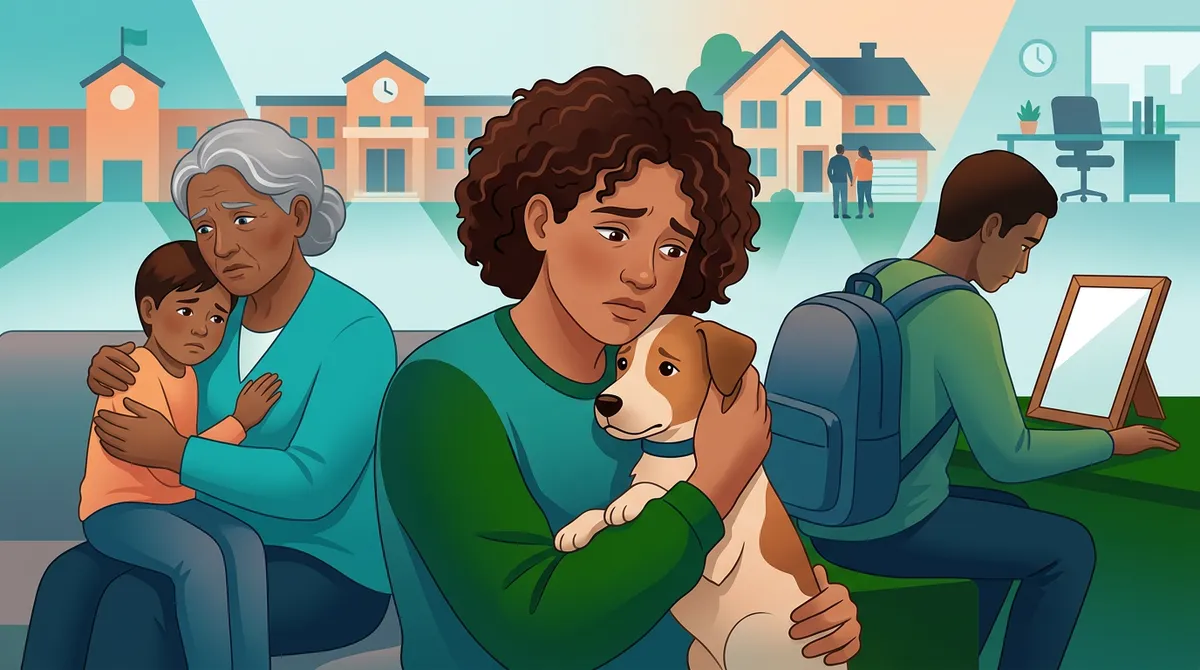
Who Is Most Affected by Separation Depression?
Separation depression touches people at every stage of life. Here’s a quick look at who tends to be most vulnerable:
| Age Group | Common Triggers | Key Symptoms |
|---|---|---|
| Children (5–12) | Parental separation, school transitions | School refusal, stomachaches, clinging |
| Adolescents (13–17) | Family conflict, first breakups, social pressure | Irritability, withdrawal, sleep problems |
| Young Adults (18–27) | Romantic breakups, moving away from home | Isolation, anxiety, loss of motivation |
| Adults (28–45) | Divorce, major relationship endings | Persistent sadness, poor boundaries, sleep issues |
| Older Adults (45+) | Loss of spouse, empty nest, retirement | Hopelessness, physical symptoms, withdrawal |
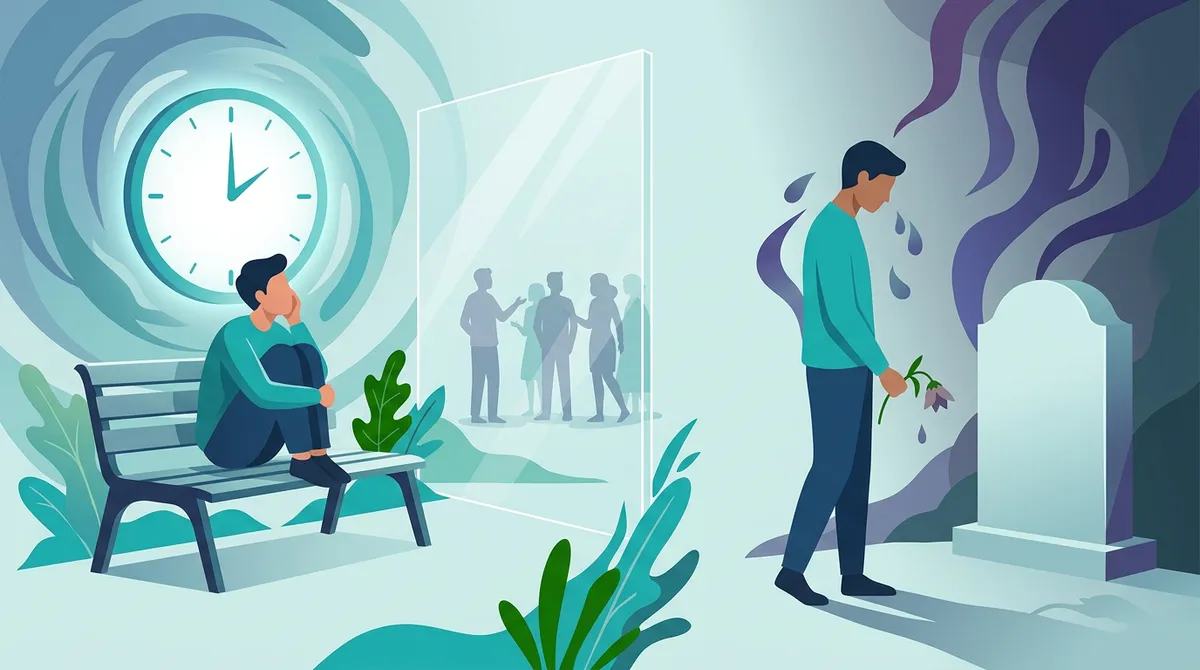
How Is Separation Depression Different From Grief?
It’s a fair question. Grief and separation depression can look similar on the surface, but there are some key differences worth knowing.
- Grief typically follows a natural arc — it hurts intensely at first, then slowly softens over time.
- Separation depression tends to stay flat or worsen, not improving even with time.
- Grief is usually tied to a specific event or loss. Separation depression can become its own ongoing condition.
- Separation anxiety disorder involves anticipatory fear of losing someone — not just grief after the fact.
- Depression symptoms lasting six months or more typically warrant a professional evaluation and diagnosis.
If you’re unsure which applies to you, that’s okay. A trained therapist can help you sort it out in a safe, nonjudgmental space.
Treatment Options That Actually Help
The good news? Separation depression is very treatable. Recovery is absolutely possible with the right support in place. Here are the most effective treatment approaches:
- Individual Therapy: Talk therapy, especially cognitive-behavioral therapy (CBT), helps you identify thought patterns that fuel depression and anxiety. It’s one of the most evidence-based treatments available.
- Couples Therapy: If your separation depression stems from relationship conflict or a breakup, couples therapy can help both partners process emotions and communicate better — whether the goal is reconciliation or a healthier ending.
- Medication: In some cases, antidepressants or anti-anxiety medications can be a helpful part of a broader treatment plan. A mental health professional can guide you on whether this is a good fit.
- Lifestyle Support: Regular exercise, consistent sleep schedules, limiting alcohol, and building a social support network all play a meaningful role in recovery.
- Virtual Therapy: For Gen Z young adults and anyone living outside major cities, virtual therapy makes accessing care simple and convenient from anywhere in Florida.
At West Florida Therapy, therapist Margaret Deuerlein offers warm, personalized care for individuals and couples navigating separation depression. With bilingual services available in both English and Spanish, no one has to face this journey alone due to a language barrier. You can learn more about the available therapy services offered or visit the Google Business Profile to see what others have experienced.
Steps You Can Take Right Now
If you recognize several of these signs in yourself or someone you love, here are some immediate steps you can take today:
- Acknowledge what you’re feeling. Naming the pain is the first act of healing. You’re not weak — you’re human.
- Reach out to a trusted person. Call a friend, family member, or support line. You don’t have to carry this alone.
- Schedule a therapy appointment. Whether in-person or virtual, starting therapy is one of the most powerful decisions you can make for your mental health.
- Explore Florida’s mental health resources. The Florida Department of Health’s Mental Health Links page has helpful information and local resources.
- Practice daily self-care. Even small acts — a short walk, a healthy meal, journaling — can start to shift your emotional state in meaningful ways.
A Word on Separation Depression in Teens and Children
Teenagers and kids experience separation depression differently than adults. For an anxious adolescent, it might look like school avoidance, irritability, or unexplained physical complaints. Parents sometimes mistake these signs for defiance or laziness — but underneath, there’s often real fear and emotional pain.
If your teen seems withdrawn, angry, or unusually attached, it’s worth having a gentle conversation. You might also want to look into how panic attacks can relate to separation anxiety in young people. Early intervention makes a huge difference. Therapy for adolescents, both in-person and virtual, is available and highly effective.
Quick Reference: Separation Depression vs. Separation Anxiety Disorder
- Separation Depression: Primarily depressive symptoms following a relationship loss or separation event
- Separation Anxiety Disorder: Excessive fear of separation from an attachment figure, often leading to depression if untreated
- Overlap: Both involve emotional pain, functional impairment, and physical symptoms
- Duration: SAD requires at least six months of clinically significant distress for diagnosis
- Treatment: Both respond well to therapy, with medication as an option when needed
You Deserve Support — And Healing Is Possible
If you’ve made it this far, there’s a good chance something in this article spoke to your experience. That matters. Separation depression is painful — but it is not permanent, and it doesn’t define you. With the right support, people recover, rebuild, and even grow stronger from these experiences.
Margaret Deuerlein at West Florida Therapy is here to walk alongside you through this. Whether you’re navigating a breakup, a divorce, or the relentless worry of separation anxiety, compassionate and professional help is available — in person in the office or virtually, anywhere in Florida. You can also explore more about depression treatment and mental health resources on the West Florida Therapy website.
You don’t have to keep hurting in silence. Take that first brave step and reach out to schedule your first session today — you deserve to feel better.
FAQs
Q: What are the most common signs of separation depression in adults?
A: The most common signs include persistent sadness, sleep problems, loss of interest in activities, difficulty concentrating, changes in appetite, and excessive worry about losing loved ones. If these symptoms last for several weeks or longer, it’s a good idea to reach out to a mental health professional — you deserve real support, not just time.
Q: How long does separation depression usually last?
A: It varies from person to person. For some, symptoms ease within a few weeks with good self-care and social support. For others — especially when separation anxiety disorder is involved — symptoms can persist for six months or more without professional treatment. The good news is that therapy is very effective, and recovery is absolutely possible!
Q: Can children develop separation depression?
A: Yes, absolutely. Separation anxiety disorder is actually one of the most common anxiety disorders in children, and it can lead to depression if left untreated. Signs in kids often include school refusal, stomachaches, clinginess, and nightmares. Early therapy intervention makes a big difference in helping children build confidence and emotional security.
Q: Is separation depression treatable without medication?
A: Many people recover from separation depression through therapy alone — particularly cognitive-behavioral therapy (CBT), which helps reshape the thought patterns behind anxiety and depression. Medication can be a helpful addition for some people, but it’s not always required. Your therapist can help you find the right fit for your unique situation.
Q: How is separation anxiety disorder different from normal sadness after a breakup?
A: Normal post-breakup sadness tends to soften over time. Separation anxiety disorder involves a persistent, excessive fear of losing attachment figures — often present even before a separation occurs. It also includes physical symptoms, nightmares, and functional impairment at school or work. If sadness or anxiety is disrupting your daily life, speaking with a therapist is a warm and smart step forward.