
Key Takeaways
-
CPT helps identify and challenge traumatic ‘stuck points’ through structured therapy focused on reshaping distorted thoughts about safety, trust, and personal experiences.
-
The therapy follows a clear 12-session framework with specific goals, helping trauma survivors process memories and develop healthier thinking patterns.
-
Writing a detailed trauma account allows patients to organize fragmented memories and reduce emotional intensity in a safe, controlled therapeutic environment.
-
Socratic questioning teaches individuals to challenge their own distorted beliefs by examining evidence and exploring alternative perspectives logically.
-
CPT systematically addresses five core trauma themes: safety, trust, power/control, self-esteem, and intimacy to rebuild psychological foundations.
-
Patients can choose between individual and group therapy formats, each offering unique benefits for trauma recovery and social connection.
-
Consistent homework assignments between sessions are crucial for practicing new cognitive skills and accelerating healing beyond therapy room interactions.
If you’re living in Brandon, Florida, and struggling with the lasting effects of trauma, you’re not alone. Post-traumatic stress disorder (PTSD) affects millions of people, leaving them feeling stuck in cycles of fear, guilt, and overwhelming emotions. The good news is that cognitive processing therapy (CPT) offers a proven path forward. This specialized treatment helps individuals like you identify and challenge the thoughts keeping you trapped in trauma patterns. Whether you experienced a car accident, childhood abuse, assault, or another traumatic event, CPT provides structured support to help you reclaim your life.
In this article, we’ll explore 11 powerful ways that cognitive processing therapy in Brandon can transform your recovery journey. You’ll discover how this evidence-based approach works, what makes it different from other treatments, and why mental health professionals recommend it as a first-line treatment for PTSD. At West Florida Therapy, we understand the courage it takes to seek help, and we’re here to guide you through every step of your healing process.

1. Understanding What Makes Cognitive Processing Therapy Different
Cognitive processing therapy stands apart from other trauma treatments because it focuses specifically on the thoughts and beliefs that keep you stuck after a traumatic experience. While many therapies address emotions or behaviors, CPT targets the core problem: the way your mind has processed and stored traumatic memories. These memories often create what therapists call “stuck points”—rigid beliefs that prevent healing and keep you trapped in patterns of distress.
Unlike exposure-based therapies that require detailed reliving of trauma, CPT takes a more cognitive approach. You’ll learn to identify automatic thoughts that arise from your trauma, challenge distorted beliefs about safety and trust, and develop healthier ways of understanding what happened to you. This structured method, typically delivered in 12 weekly sessions, gives you concrete tools to reshape your relationship with traumatic memories. According to the CDC’s mental health resources, evidence-based treatments like CPT offer hope for millions struggling with trauma-related disorders.
The Science Behind Cognitive Processing
CPT is grounded in cognitive-behavioral principles that have been rigorously tested through scientific research. The American Psychological Association designates it as a first-line treatment for PTSD, meaning it’s one of the most effective options available. Studies show that CPT can be more effective than medication alone for many people, offering lasting relief without ongoing pharmaceutical intervention. The therapy works by helping your brain reprocess traumatic information in a way that reduces distress and restores your sense of control.
Your brain naturally tries to make sense of experiences, but trauma can disrupt this process. When something terrible happens, your mind may create explanations that feel protective but actually cause more harm. For example, you might blame yourself for something that wasn’t your fault, or decide that the world is completely unsafe. CPT helps you examine these beliefs with compassion and logic, allowing you to develop more balanced and accurate ways of thinking about your trauma and yourself.
2. Identifying Your Stuck Points for Breakthrough Healing
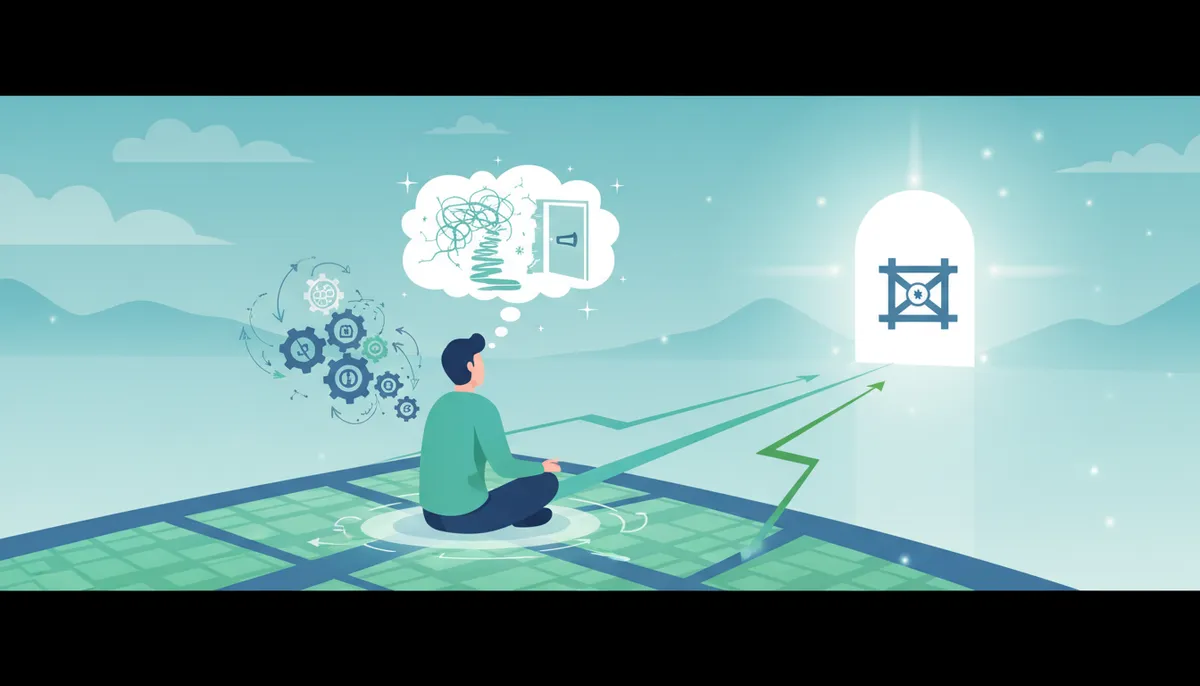
One of the most transformative aspects of cognitive processing therapy is learning to recognize your stuck points. These are the maladaptive beliefs that formed during or after your trauma and now interfere with your recovery. Stuck points might sound like “It’s my fault this happened,” “I can’t trust anyone,” or “The world is completely dangerous.” These thoughts feel absolutely true, but they’re actually distortions that keep you locked in suffering.
During CPT sessions in Brandon, you’ll work with your therapist to identify your specific stuck points. This process requires patience and self-compassion, as these beliefs often feel like facts rather than interpretations. Your therapist will help you distinguish between thoughts and facts, teaching you to question beliefs that seem unshakeable. Many people find this revelation alone brings tremendous relief—understanding that their painful thoughts aren’t necessarily true opens the door to change.
Common Stuck Point Categories
| Theme | Example Stuck Points | Impact on Recovery |
|---|---|---|
| Safety | “Nowhere is safe” or “Bad things always happen” | Prevents resuming normal activities and causes hypervigilance |
| Trust | “I can’t trust my judgment” or “Everyone will hurt me” | Damages relationships and increases isolation |
| Power/Control | “I’m completely helpless” or “I have no control over my life” | Creates feelings of vulnerability and prevents taking action |
| Self-Esteem | “I’m worthless” or “I deserved what happened” | Leads to depression and prevents self-compassion |
| Intimacy | “I’ll never have close relationships” or “People will leave me” | Blocks connection and perpetuates loneliness |
Working through stuck points doesn’t mean dismissing your feelings or pretending the trauma wasn’t serious. Instead, it means examining whether your current beliefs help or harm you. Your therapist will use gentle questioning techniques to help you see alternative perspectives and develop more balanced thoughts that honor your experience while allowing you to move forward.
3. Following a Structured 12-Session Framework
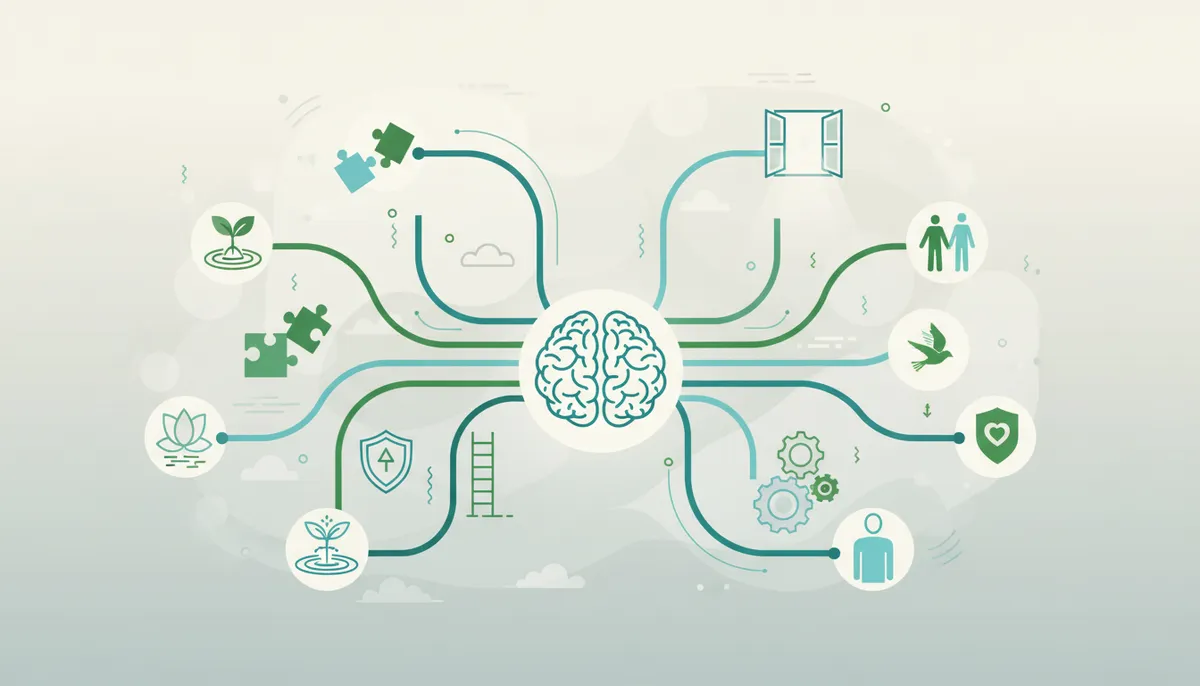
Cognitive processing therapy in Brandon follows a clear, structured format that typically spans 12 weekly sessions of about 50 minutes each. This predictable framework helps you feel secure as you work through difficult material. Unlike open-ended therapy that can continue indefinitely, CPT has a defined beginning, middle, and end, giving you concrete goals and milestones to work toward.
The structured nature of CPT makes it particularly effective for people who appreciate organization and clarity. Each session builds on the previous one, creating a logical progression through your healing journey. Here’s what you can expect:
- Sessions 1-2: Education about PTSD and trauma’s impact on thoughts and feelings
- Sessions 3-4: Learning to identify automatic thoughts and stuck points
- Sessions 5-6: Writing and processing your trauma account
- Sessions 7-9: Challenging stuck points using Socratic questioning
- Sessions 10-12: Addressing specific themes like safety, trust, power, esteem, and intimacy
Between sessions, you’ll complete homework assignments that reinforce what you’re learning. These assignments aren’t busywork—they’re essential tools that help you practice new skills in your daily life. Many people find that the homework accelerates their progress because it allows them to apply CPT techniques to real situations as they arise.

4. Writing Your Trauma Account for Deep Processing
A cornerstone of cognitive processing therapy is writing a detailed account of your traumatic experience. This might sound scary, but it serves a crucial purpose: helping your brain fully process what happened so the memory becomes less disruptive. You’ll write about the trauma from start to finish, including sensory details, thoughts, and feelings. This isn’t about reliving the trauma—it’s about organizing the memory in a way that reduces its emotional power over you.
During CPT sessions, you’ll read your trauma account aloud to your therapist. This experience allows you to face the memory in a safe, controlled environment where you’re supported. Many people discover that talking about the trauma out loud, rather than keeping it locked inside, significantly reduces their distress. Your therapist will help you notice stuck points that emerge in your account and guide you in challenging them.
Benefits of the Trauma Narrative
- Organizes fragmented traumatic memories into a coherent story
- Reduces the emotional intensity associated with trauma memories
- Helps identify hidden stuck points and distorted beliefs
- Creates a sense of mastery over the traumatic experience
- Allows natural processing that trauma initially prevented
- Provides concrete material for therapeutic discussion and analysis
Writing your trauma account is typically done around sessions 5-6, after you’ve built a strong therapeutic relationship and learned foundational CPT skills. Your therapist will prepare you for this step and ensure you have coping strategies in place. Remember, you’re in control of the process, and you can pause or adjust as needed.
5. Learning Socratic Questioning Techniques
One of the most valuable skills you’ll gain from cognitive processing therapy is Socratic questioning—a method of challenging distorted thoughts through gentle, logical inquiry. Instead of your therapist telling you what to think, they’ll ask questions that help you discover more balanced perspectives on your own. This approach empowers you to become your own therapist, equipped with tools you can use long after treatment ends.
Socratic questioning involves asking yourself specific questions about your stuck points: What evidence supports this belief? What evidence contradicts it? Are there alternative explanations? What would you tell a friend who had this thought? These questions help you examine beliefs from multiple angles rather than accepting them at face value. Over time, this practice becomes automatic, allowing you to catch and challenge distorted thoughts as they arise.
| Stuck Point Type | Socratic Questions to Challenge It |
|---|---|
| All-or-nothing thinking | “Is there any middle ground? Are there shades of gray?” |
| Overgeneralization | “Does one event really mean this always happens?” |
| Self-blame | “What factors were outside your control? What would a jury decide?” |
| Catastrophizing | “What’s the most realistic outcome? How likely is the worst case?” |
The beauty of Socratic questioning is that it honors your intelligence and insight. Your therapist isn’t imposing their views—they’re helping you access your own wisdom and logic. This collaborative approach builds confidence and creates lasting change because you’re developing the skills rather than depending on someone else to fix your thinking.
6. Addressing Five Core Trauma Themes
Cognitive processing therapy systematically addresses five key themes that trauma commonly disrupts: safety, trust, power and control, self-esteem, and intimacy. These themes represent fundamental human needs and beliefs that trauma can shatter. By working through each theme methodically, CPT helps you rebuild a healthy worldview and restore your sense of security in yourself and relationships.
During the later sessions of your therapy, you’ll dedicate focused attention to each theme. Your therapist will help you identify stuck points related to each area and challenge distorted beliefs that developed after your trauma. This comprehensive approach ensures that you’re not just addressing surface symptoms but rebuilding the core foundations of psychological well-being. According to resources from Florida Department of Health, addressing these themes is crucial for comprehensive trauma recovery.
How Trauma Affects Core Themes
- Safety: Trauma can make you feel constantly in danger, leading to hypervigilance and avoidance
- Trust: Betrayal or violation can damage your ability to trust yourself, others, and the world
- Power/Control: Feeling helpless during trauma can create beliefs about ongoing powerlessness
- Self-Esteem: Trauma often leads to self-blame and feelings of worthlessness
- Intimacy: Difficulty connecting with others and fear of vulnerability commonly follow trauma
Working through these themes helps you develop more balanced beliefs that acknowledge both the reality of what happened and the possibility of safety, connection, and meaning in your current life. You’ll learn that experiencing trauma doesn’t mean you’re permanently broken or that the world is entirely dangerous. This nuanced understanding allows you to move forward with wisdom rather than fear.
7. Choosing Between Individual and Group CPT
In Brandon, cognitive processing therapy can be delivered in individual one-on-one sessions or in group settings, and both formats offer unique benefits. Individual therapy provides personalized attention and the privacy to work through your specific trauma at your own pace. This format works well if you prefer confidential conversations or have complex trauma that requires specialized attention.
Group CPT, on the other hand, offers the powerful experience of connecting with others who understand what you’re going through. Hearing how other people challenge their stuck points can inspire your own progress, and sharing your journey reduces the isolation that often accompanies trauma. Group settings also help you practice social connection in a safe environment, which can be particularly healing if your trauma has damaged your relationships.
Comparing CPT Formats
| Format | Benefits | Best For |
|---|---|---|
| Individual CPT | Personalized pacing, complete privacy, flexible scheduling, deeper exploration | Complex trauma, privacy concerns, need for individualized attention |
| Group CPT | Peer support, reduced isolation, diverse perspectives, cost-effective | Social connection needs, learning from others, building community |
At West Florida Therapy, we can help you determine which format best suits your needs and preferences. Some people even benefit from starting with individual sessions to build a foundation, then joining a group to gain additional support. The choice is yours, and both paths lead to meaningful healing.
8. Completing Homework Assignments for Lasting Change
Homework is an essential component of cognitive processing therapy that extends your progress beyond the therapy room. Between your weekly sessions, you’ll complete written assignments that help you practice identifying and challenging stuck points. These assignments might include worksheets where you analyze specific thoughts, practice exercises for examining evidence, or journaling about your experiences with different trauma themes.
Many people initially resist homework, viewing it as an extra burden. However, clients who consistently complete assignments tend to experience faster and more lasting improvement. The homework reinforces neural pathways that support new ways of thinking, making healthy thought patterns more automatic. Think of it like physical therapy—the exercises you do at home are just as important as your sessions with the therapist.
- Practice identifying automatic thoughts in daily situations
- Complete worksheets challenging stuck points with evidence
- Write about specific trauma themes like safety or trust
- Track your progress in recognizing and disputing distortions
- Apply Socratic questioning to real-life problems
- Review and revise your trauma account as your understanding evolves
Your therapist will review your homework at each session, providing feedback and using it as a springboard for deeper discussion. This collaborative process ensures that you’re not just going through the motions but genuinely integrating new skills. Over time, the techniques you practice in homework become second nature, giving you lifelong tools for managing difficult thoughts and emotions.
9. Understanding CPT’s Effectiveness Across Trauma Types
Cognitive processing therapy was originally developed for combat veterans and sexual assault survivors, but research has proven its effectiveness across a wide range of traumatic experiences. Whether you’ve experienced childhood abuse, a serious accident, natural disaster, assault, sudden loss, or other trauma, CPT offers a path to healing. The therapy’s focus on thought patterns rather than specific trauma types makes it adaptable to various situations.
The American Psychological Association recognizes CPT as a first-line treatment for PTSD based on rigorous scientific studies demonstrating its effectiveness. Research shows that CPT reduces PTSD symptoms including nightmares, flashbacks, avoidance, hypervigilance, and emotional numbness. Many people also experience improvements in depression and anxiety symptoms as they work through their trauma-related beliefs. Information from Florida’s substance abuse and mental health services confirms that evidence-based treatments like CPT are essential for comprehensive trauma care.
Trauma Types Responsive to CPT
- Combat and military trauma
- Sexual assault and rape
- Childhood physical or emotional abuse
- Motor vehicle accidents
- Natural disasters
- Sudden loss of loved ones
- Medical trauma
- Witnessing violence
- Domestic violence
- Workplace accidents
- Community violence
The versatility of CPT means you don’t need to have a specific type of trauma to benefit from this treatment. What matters is that you’re experiencing trauma-related symptoms and are ready to work on changing the thoughts that keep you stuck. Your therapist will adapt the therapy to your unique situation while maintaining the core principles that make CPT effective.
10. Accessing CPT Services in Brandon, Florida
Finding qualified cognitive processing therapy in Brandon requires working with a mental health professional who has specialized training in this evidence-based treatment. Not all therapists offer CPT, as it requires specific education and certification beyond general therapy training. When searching for a provider, ask about their CPT credentials, experience treating trauma, and approach to the therapy.
West Florida Therapy provides comprehensive trauma treatment services, including approaches tailored to your specific needs. Margaret Deuerlein is a caring psychotherapist who understands the courage it takes to face traumatic memories and is committed to supporting you through the healing process. Whether you need in-person sessions in the office or prefer virtual therapy from anywhere in Florida, options are available to fit your comfort level and schedule.
Questions to Ask Potential CPT Therapists
- Do you have formal training and certification in cognitive processing therapy?
- How many clients have you treated using CPT?
- Do you offer individual sessions, group sessions, or both?
- Are virtual sessions available if I can’t come to the office?
- Do you provide services in both English and Spanish?
- What’s your approach to creating a safe, supportive environment?
Don’t hesitate to interview multiple therapists before making a decision. Finding the right fit is crucial for successful therapy, especially when working through trauma. You deserve a therapist who makes you feel heard, respected, and confident in their ability to guide your healing journey. If you’re ready to take the next step toward recovery, reach out to schedule a consultation and learn more about how CPT can help you reclaim your life.
11. Combining CPT with Other Support Services
While cognitive processing therapy is highly effective on its own, many people benefit from combining it with other support services for comprehensive healing. CPT addresses the thought patterns maintaining PTSD, but you might also need support for related issues like depression, anxiety, relationship problems, or substance use that developed alongside your trauma symptoms.
A holistic approach to trauma recovery might include CPT as your primary treatment along with complementary services. For example, if trauma has damaged your relationship, couples therapy can help you and your partner rebuild trust and communication. If you’re struggling with severe anxiety alongside PTSD, anxiety treatment techniques can provide additional coping tools. If depression has taken hold, addressing both the trauma and depression treatment together creates more comprehensive healing.
| Complementary Service | How It Enhances CPT |
|---|---|
| Medication Management | Reduces severe symptoms that might interfere with therapy engagement |
| Support Groups | Provides ongoing peer connection and reduces isolation |
| Mindfulness Training | Builds present-moment awareness and emotional regulation skills |
| Couples/Family Therapy | Repairs relationships damaged by trauma and builds support system |
Your therapist can help you identify which additional services might support your recovery and make appropriate referrals. The goal is creating a comprehensive treatment plan that addresses all aspects of your well-being, not just the trauma symptoms themselves. Remember, seeking multiple forms of support isn’t a sign of weakness—it’s a sign of commitment to your healing.
Moving Forward with Confidence and Hope
Choosing to pursue cognitive processing therapy in Brandon is a powerful decision that can transform your relationship with trauma. While the journey requires courage and commitment, thousands of people have successfully used CPT to break free from PTSD and reclaim their lives. The structured approach, evidence-based techniques, and supportive therapeutic relationship create a solid foundation for lasting healing.
Remember that healing doesn’t mean forgetting what happened or pretending the trauma wasn’t significant. Instead, it means developing a healthier relationship with your memories and building beliefs that allow you to move forward. CPT gives you concrete tools to challenge the thoughts that keep you stuck and develop more balanced perspectives that honor your experience while opening doors to hope, connection, and meaning.
If you’re ready to begin your healing journey with cognitive processing therapy, West Florida Therapy is here to support you. Margaret Deuerlein offers compassionate, expert care that meets you where you are and guides you toward where you want to be. With bilingual services available in English and Spanish, both in-person and virtual options, and a deep understanding of trauma’s impact, you’ll find the personalized support you deserve. Contact us today to schedule your first appointment and take the first step toward freedom from trauma’s grip. You don’t have to face this journey alone—help is available, and recovery is possible. Visit us on Google to learn more about our services and read what others have said about their experiences with our caring team.
FAQs
Q: What is cognitive processing therapy and how does it work?
A: Cognitive processing therapy (CPT) is an evidence-based treatment for PTSD that helps you identify and challenge distorted thoughts about your trauma. Through 12 structured sessions, you’ll learn to recognize “stuck points”—unhelpful beliefs that keep you trapped—and develop healthier ways of understanding what happened. CPT uses techniques like writing a trauma account and Socratic questioning to help your brain fully process traumatic memories so they lose their emotional power over you.
Q: How is CPT different from other trauma therapies like EMDR?
A: While both CPT and EMDR effectively treat PTSD, they use different approaches. CPT focuses primarily on changing the thoughts and beliefs that maintain trauma symptoms through cognitive restructuring and written exercises. EMDR uses bilateral stimulation (like eye movements) to help your brain reprocess traumatic memories. CPT is more structured with homework assignments and emphasizes challenging stuck points, while EMDR works more directly with memory processing through sensory techniques.
Q: How long does cognitive processing therapy take to see results?
A: Most people complete CPT in 12 weekly sessions of about 50 minutes each, though some may need slightly more or less time depending on their specific situation. Many people begin noticing improvements in PTSD symptoms within the first few sessions as they learn to identify and challenge stuck points. The structured nature of CPT means you’ll have clear milestones and can track your progress throughout treatment, with most people experiencing significant symptom reduction by the end of the 12 sessions.
Q: Can cognitive processing therapy help with trauma from childhood abuse?
A: Yes, CPT is highly effective for treating PTSD from childhood abuse and other early trauma. While CPT was originally developed for combat veterans and sexual assault survivors, research shows it works well across many trauma types including childhood physical, emotional, and sexual abuse. The therapy helps you challenge beliefs about safety, trust, and self-worth that often develop from early trauma, allowing you to build healthier perspectives regardless of when the trauma occurred.
Q: Is cognitive processing therapy available in Spanish in Brandon?
A: Yes, bilingual mental health services are available in Brandon. West Florida Therapy offers services in both English and Spanish to ensure language is never a barrier to quality trauma care. Having a therapist who speaks your preferred language is crucial for effectively processing trauma and building the trust needed for successful CPT, so don’t hesitate to ask about bilingual options when seeking treatment.