Key Takeaways
-
Mental health impacts 1 in 4 U.S. adults, with early symptom recognition leading to better treatment outcomes.
-
Create a daily 5-minute mental health check-in routine by tracking emotional state, sleep, nutrition, and stress levels.
-
Recognize persistent warning signs like prolonged sadness, social withdrawal, and mood changes that last more than two weeks.
-
Seek professional help when mental health symptoms interfere with daily functioning or cause significant personal distress.
-
Build mental health resilience through consistent habits like quality sleep, regular exercise, balanced nutrition, and meaningful social connections.
Mental health affects every part of our lives, from how we think and feel to how we handle stress and relate to others. In 2026, understanding mental health has become more important than ever, especially as over 1 billion people worldwide live with mental health conditions. Whether you’re worried about yourself or someone you care about, learning to spot warning signs early can make a real difference in getting the help needed.
According to recent data, 23.4% of U.S. adults experienced mental illness in 2024, which means nearly 1 in 4 adults faces mental health challenges. The good news? Mental health conditions are treatable, and recognizing symptoms early leads to better outcomes. This guide will walk you through practical steps to identify mental health concerns, understand what’s happening, and take action toward feeling better.
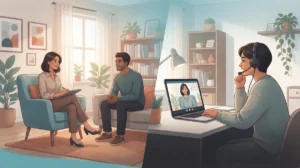
At West Florida Therapy, we understand that taking the first step toward mental health support can feel overwhelming. That’s why we’re here to provide compassionate, bilingual therapy services to adults and adolescents throughout Florida, both in-person and virtually.

Understanding What Mental Health Really Means
Mental health isn’t just about avoiding problems or diagnosing disorders. It’s about your overall emotional, psychological, and social well-being. Think of mental health like physical health – everyone has it, and sometimes it needs extra care and attention.
Your mental health influences how you make choices, handle challenges, and connect with people around you. When your mental health is strong, you feel more capable of enjoying life, bouncing back from setbacks, and building meaningful relationships.
However, mental health exists on a spectrum. You might feel great some days and struggle on others, which is completely normal. The CDC’s Mental Health Resources emphasize that mental health changes throughout your life based on stress, experiences, and biology.
Common Mental Health Conditions You Should Know
Mental health conditions come in many forms, but some are more common than others. Here are the most frequently diagnosed conditions:
- Anxiety Disorders: These include generalized anxiety, panic disorder, and social anxiety. Anxiety disorders affect millions of people and involve excessive worry or fear that interferes with daily activities.
- Depression: Major depressive disorder causes persistent sadness, loss of interest, and feelings of hopelessness. It’s one of the leading causes of disability worldwide.
- Bipolar Disorder: This condition involves extreme mood swings, from emotional highs (mania) to lows (depression).
- Post-Traumatic Stress Disorder (PTSD): PTSD develops after experiencing or witnessing traumatic events and can cause flashbacks, nightmares, and severe anxiety.
- Obsessive-Compulsive Disorder (OCD): OCD involves unwanted, repeated thoughts and behaviors that feel impossible to control.
According to recent statistics, 5.6% of U.S. adults (14.6 million people) experienced serious mental illness in 2024. Understanding these conditions helps reduce stigma and encourages people to seek support.
Recognizing Early Warning Signs of Mental Health Struggles
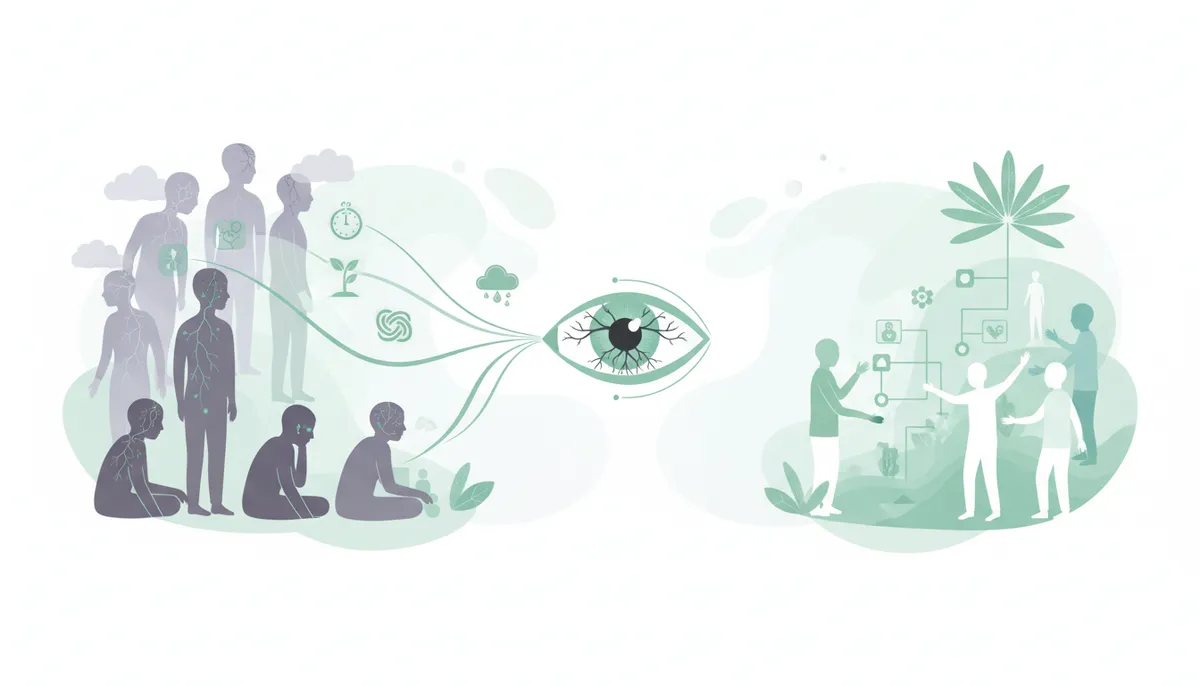
Catching mental health concerns early makes treatment more effective. But how do you know when normal stress crosses into something more serious? Here are key warning signs to watch for.
Emotional and Behavioral Changes
Pay attention to shifts in emotions and behaviors that last more than two weeks. These changes might include:
- Feeling sad, empty, or hopeless most of the day
- Losing interest in activities you once enjoyed
- Experiencing extreme mood swings or irritability
- Withdrawing from friends, family, and social situations
- Having trouble concentrating or making decisions
- Feeling unusually angry, hostile, or violent
Margaret Deuerlein, a psychotherapist at West Florida Therapy, notes that many people dismiss these symptoms as “just stress” or “having a bad week.” However, when these feelings persist and interfere with your daily life, it’s time to consider professional support.
Physical Symptoms That Signal Mental Health Concerns
Mental health problems often show up in your body. Don’t ignore these physical warning signs:
- Changes in sleep patterns (sleeping too much or too little)
- Significant weight changes or appetite problems
- Unexplained aches, pains, or digestive issues
- Constant fatigue or low energy
- Increased use of alcohol, drugs, or other substances
- Engaging in risky or self-destructive behaviors
Research shows that 29% of U.S. high school students reported experiencing poor mental health in the past 30 days during 2023. Young people especially need to recognize these connections between mind and body.

How to Check In With Your Mental Health Regularly
Just like you schedule dental cleanings or annual physicals, your mental health deserves regular check-ins. Here’s how to make mental health monitoring a habit.
Create a Simple Daily Check-In Routine
Set aside five minutes each day to ask yourself these questions:
- How am I feeling emotionally right now?
- Did I sleep well last night?
- Have I eaten nutritious meals today?
- Did I connect with someone I care about?
- What’s causing me stress or worry?
Keep a journal or use a notes app on your phone to track your answers. Patterns will emerge that help you understand your mental health better.
Use Mental Health Screening Tools
Several free, confidential screening tools exist online. The Florida Department of Health Mental Health Links provides resources for self-assessment. These screens aren’t diagnoses, but they help you decide if professional evaluation makes sense.
Consider using these screenings when you notice changes in your mood, thinking, or behavior. They typically take 5-10 minutes and cover symptoms of common conditions like depression and anxiety.
What to Do When You Notice Warning Signs
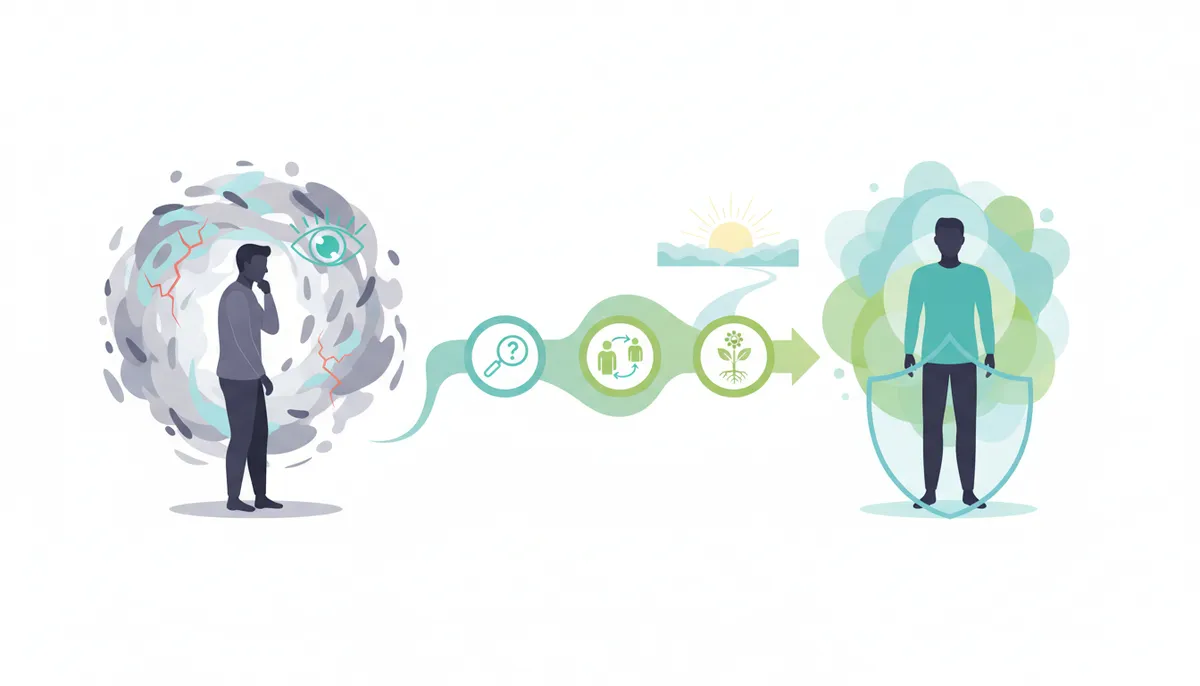
Recognizing warning signs is step one. Taking action is step two. Here’s exactly what to do when you spot concerning symptoms in yourself or others.
Start With Small, Manageable Steps
Don’t wait until you’re in crisis to reach out for help. These initial steps can make a big difference:
- Talk to someone you trust about what you’re experiencing
- Maintain routines for sleep, eating, and exercise
- Limit alcohol and avoid drugs
- Practice stress-reduction techniques like deep breathing or meditation
- Stay connected with supportive friends and family
- Consider journaling your thoughts and feelings
Remember, asking for help shows strength, not weakness. The Florida Department of Children and Families offers resources for substance abuse and mental health support throughout the state.
Know When Professional Help Is Necessary
Seek professional support when symptoms:
- Last longer than two weeks
- Interfere with work, school, or relationships
- Cause significant distress or impairment
- Don’t improve with self-care efforts
- Include thoughts of self-harm or suicide
Recent data shows that 5.5% of U.S. adults had serious suicidal thoughts in 2024, with that number rising to 12.6% for ages 18-25. If you’re having thoughts of suicide, call 988 (the Suicide and Crisis Lifeline) immediately for free, confidential support.
Finding the Right Mental Health Support
Once you’ve decided to seek professional help, the next question is: where do you start? Finding the right therapist or treatment option doesn’t have to be complicated.
Types of Mental Health Professionals
| Professional Type | Education Level | What They Do |
|---|---|---|
| Psychotherapist/Counselor | Master’s degree | Provides talk therapy for various mental health concerns |
| Psychologist | Doctoral degree (PhD or PsyD) | Offers therapy and psychological testing |
| Psychiatrist | Medical degree (MD or DO) | Prescribes medication and provides medical management |
| Licensed Clinical Social Worker | Master’s degree in social work | Provides therapy and connects clients to resources |
Margaret Deuerlein at West Florida Therapy specializes in helping adults and adolescents work through anxiety, depression, relationship challenges, and life transitions. With bilingual services available in English and Spanish, she creates a welcoming space for diverse communities across Florida.
Questions to Ask When Choosing a Therapist
Finding the right fit matters for effective therapy. Ask potential therapists these important questions:
- What’s your experience treating my specific concerns?
- What therapy approaches do you use?
- Do you offer in-person, virtual, or both types of sessions?
- What are your fees, and do you accept my insurance?
- How long are sessions, and how often do you recommend meeting?
- What’s your cancellation policy?
Don’t settle for the first therapist you find if something doesn’t feel right. A good therapeutic relationship is essential for progress, and it’s okay to try a few therapists before choosing one.
Supporting Someone Else’s Mental Health
What if you’ve noticed warning signs in a loved one? Supporting someone with mental health struggles requires patience, understanding, and the right approach.
How to Start a Conversation About Mental Health
Talking about mental health feels awkward for many people, but your concern could save a life. Here’s how to approach the conversation:
- Choose a private, comfortable setting without distractions
- Express specific concerns using “I” statements (“I’ve noticed you seem sad lately”)
- Listen without judgment or trying to fix everything immediately
- Avoid minimizing their feelings with phrases like “just cheer up”
- Offer specific help (“Can I help you find a therapist?” instead of “Let me know if you need anything”)
- Follow up regularly to show continued support
Statistics show that 15.4% of adolescents aged 12-17 had a major depressive episode in 2023. Parents and caregivers play a crucial role in identifying struggles and connecting young people with appropriate therapy services.
What Not to Say to Someone Struggling
Well-meaning comments can sometimes make things worse. Avoid these common mistakes:
- “Others have it worse” (this dismisses their pain)
- “You just need to think positive” (mental illness isn’t a choice)
- “Have you tried yoga/exercise?” (while helpful, these aren’t cures)
- “You don’t seem depressed” (mental illness isn’t always visible)
- “This is just a phase” (minimizes their experience)
- “You’re being dramatic” (invalidates their feelings)
Building Long-Term Mental Health Resilience
Recognizing warning signs is important, but building resilience helps prevent mental health problems from developing or worsening in the first place.
Daily Habits That Protect Mental Health
Small, consistent actions add up to big mental health benefits. Try incorporating these habits:
- Get 7-9 hours of quality sleep each night
- Move your body for at least 30 minutes daily
- Eat regular, balanced meals with plenty of fruits and vegetables
- Practice mindfulness or meditation for 10-15 minutes
- Limit screen time, especially before bed
- Maintain meaningful social connections
- Set boundaries between work and personal time
- Engage in hobbies or activities you enjoy
Research from 2024 shows that 62% of people across 31 countries reported stress affecting their daily lives at least once in the past year. Building these protective habits helps manage that stress before it becomes overwhelming.
Creating Your Personal Mental Health Action Plan
Having a plan in place before crisis hits makes getting help easier. Your action plan should include:
| Plan Component | What to Include |
|---|---|
| Warning Signs | List your personal early warning signs (mood changes, sleep problems, etc.) |
| Coping Strategies | Identify healthy activities that help you feel better |
| Support Network | Names and contact info for trusted friends, family, and professionals |
| Professional Contacts | Therapist, doctor, and crisis hotline numbers |
| Medication Information | Current medications, dosages, and prescribing doctor |
Share this plan with someone you trust so they can help if you’re struggling to help yourself. Keep it somewhere easily accessible, like your phone or wallet.
Overcoming Barriers to Getting Help
Even when you recognize warning signs, several obstacles might prevent you from seeking help. Let’s address the most common barriers and how to overcome them.
Addressing Cost Concerns
Mental health care can feel expensive, but options exist for different budgets:
- Check if your health insurance covers mental health services (most plans do)
- Ask therapists about sliding scale fees based on income
- Look into community mental health centers that offer low-cost services
- Consider online therapy platforms that often cost less than traditional therapy
- Explore employee assistance programs (EAPs) that offer free counseling sessions
- Contact local universities with training clinics that provide reduced-fee services
Don’t let cost prevent you from getting help. Many therapists, including those at West Florida Therapy, work with clients to find affordable solutions.
Breaking Through Stigma
Despite growing awareness, stigma around mental health remains a significant barrier. Remember these facts when stigma holds you back:
- Mental health conditions are medical conditions, not character flaws
- Millions of people successfully manage mental health conditions
- Seeking therapy shows self-awareness and courage
- What others think matters less than your wellbeing
- You control who knows about your mental health journey
Global statistics show that over 1 billion people live with mental health conditions, yet 71% of people with psychosis worldwide receive no services. Treatment gaps persist partly due to stigma, making it even more important to challenge these harmful beliefs.
Special Considerations for Different Age Groups
Mental health manifests differently across the lifespan. Understanding age-specific warning signs helps you recognize problems more accurately.
Adolescents and Young Adults
Teenage years bring unique mental health challenges. Warning signs in adolescents include:
- Drastic changes in eating or sleeping habits
- Declining academic performance
- Loss of interest in friends and activities
- Excessive worry about appearance or performance
- Risk-taking or rebellious behavior beyond typical teenage testing
- Self-harm or talking about suicide
Young people aged 18-25 face particularly high rates of serious mental illness, with 12.6% experiencing serious suicidal thoughts according to 2024 data. Parents and educators need to stay alert to these signs and reach out for professional support when concerns arise.
Adults and Older Adults
Adult mental health challenges often relate to life transitions, work stress, and relationship problems. Watch for:
- Persistent fatigue despite adequate rest
- Difficulty concentrating at work or home
- Increased conflict in relationships
- Using alcohol or substances to cope with stress
- Physical symptoms without clear medical cause
- Feeling overwhelmed by daily responsibilities
Older adults may experience mental health problems related to loss, isolation, or medical conditions. Depression in seniors is often mistaken for normal aging, but it’s not. Any significant mood changes deserve professional evaluation.
When to Seek Emergency Mental Health Care
Some situations require immediate professional intervention. Don’t wait if you or someone you know experiences any of these crisis situations.
Mental Health Emergencies That Need Immediate Action
Call 911 or go to the nearest emergency room if someone:
- Threatens to hurt or kill themselves or others
- Has a specific suicide plan or means
- Shows psychotic symptoms (hallucinations, delusions, paranoia)
- Experiences severe panic attacks with chest pain or difficulty breathing
- Becomes suddenly violent or aggressive
- Loses touch with reality
You can also call or text 988 for the Suicide and Crisis Lifeline. This free, confidential service operates 24/7 and connects you with trained crisis counselors. In 2021, suicide claimed 727,000 lives worldwide, making crisis intervention absolutely vital.
What Happens During a Mental Health Crisis
Understanding the crisis intervention process reduces fear about seeking emergency help:
| Step | What Happens |
|---|---|
| Assessment | Mental health professionals evaluate immediate safety and symptoms |
| Stabilization | Crisis workers help reduce immediate danger and intense emotions |
| Treatment Planning | Together, you develop next steps, which might include hospitalization or outpatient care |
| Follow-up | Connecting with ongoing support ensures continued stability |
Crisis intervention isn’t punishment or judgment. It’s medical care designed to keep people safe during their most vulnerable moments.
Moving Forward With Confidence and Hope
Recognizing mental health warning signs early empowers you to take control of your wellbeing before problems escalate. Remember, mental health exists on a continuum, and everyone struggles sometimes. The difference between temporary stress and a mental health condition often comes down to duration, intensity, and impact on daily life.
Taking action doesn’t require perfection. Start small. Notice your patterns. Talk to someone you trust. Consider professional support when self-care isn’t enough. With 23.4% of U.S. adults experiencing mental illness in 2024, you’re certainly not alone in this journey.
Mental health care works. Therapy, medication, lifestyle changes, and support networks help millions of people live fulfilling lives despite mental health challenges. The key is recognizing when you need help and having the courage to reach out.
At West Florida Therapy, Margaret Deuerlein provides compassionate, culturally sensitive care for individuals and couples throughout Florida. Whether you prefer in-person sessions or virtual therapy, bilingual services in English and Spanish make quality mental health care accessible to more people. If you’ve noticed warning signs in yourself or someone you love, don’t wait. Contact us today to take the first step toward better mental health. Visit our Google Business Profile to learn more about our services and read reviews from clients we’ve helped.
Your mental health matters. You deserve support, understanding, and effective treatment. The warning signs you’ve learned to recognize today might just change your life tomorrow.
FAQs
Q: What are the most common mental health warning signs?
A: Common warning signs include persistent sadness or hopelessness lasting more than two weeks, losing interest in activities you once enjoyed, significant changes in sleep or eating patterns, withdrawing from social connections, difficulty concentrating, extreme mood swings, and unexplained physical symptoms. If these symptoms interfere with your daily life, it’s time to consider professional support.
Q: When should I seek professional help for mental health concerns?
A: You should seek professional help when symptoms last longer than two weeks, interfere with work or relationships, cause significant distress, don’t improve with self-care, or include thoughts of self-harm. Don’t wait until you’re in crisis – early intervention leads to better outcomes and faster recovery.
Q: How can I support a loved one who’s struggling with mental health?
A: Start by having a private, non-judgmental conversation expressing your specific concerns. Listen without trying to fix everything, avoid minimizing their feelings, and offer concrete help like finding a therapist together. Follow up regularly and educate yourself about their condition. Your patience and consistent support make a real difference.
Q: What’s the difference between normal stress and a mental health condition?
A: Normal stress is temporary and improves when the stressor is removed, while mental health conditions persist for weeks or months and significantly impair daily functioning. Mental health conditions don’t improve with simple relaxation and often require professional treatment. If you’re unsure, a mental health screening or professional evaluation can clarify what you’re experiencing.
Q: Are virtual therapy sessions as effective as in-person therapy?
A: Yes, research shows virtual therapy is just as effective as in-person sessions for most mental health conditions. Virtual therapy offers convenience, accessibility, and comfort, especially for people with busy schedules, transportation challenges, or anxiety about office visits. The key is finding a qualified therapist who makes you feel comfortable, regardless of the format.