

Key Takeaways
-
Practice active listening by giving full attention, repeating back what you heard, and confirming understanding to prevent misunderstandings.
-
Use ‘I’ statements that express your feelings without blaming, which helps your partner respond with empathy instead of defensiveness.
-
Schedule regular relationship check-ins to discuss feelings, address small issues early, and maintain emotional connection.
-
Learn to compromise by finding solutions where both partners feel their needs are valued, not just splitting things 50/50.
-
Take time to cool down before discussing heated topics to ensure more rational and productive conversations.
-
Recognize when professional help might be needed, such as when you have repeated unresolved arguments or communication has broken down.
Have you ever felt like you and your partner are speaking completely different languages? You’re not alone. Relationship and communication issues affect countless couples every single year, and they often start with small misunderstandings that snowball into bigger problems. The good news? These challenges are fixable with the right approach and support.
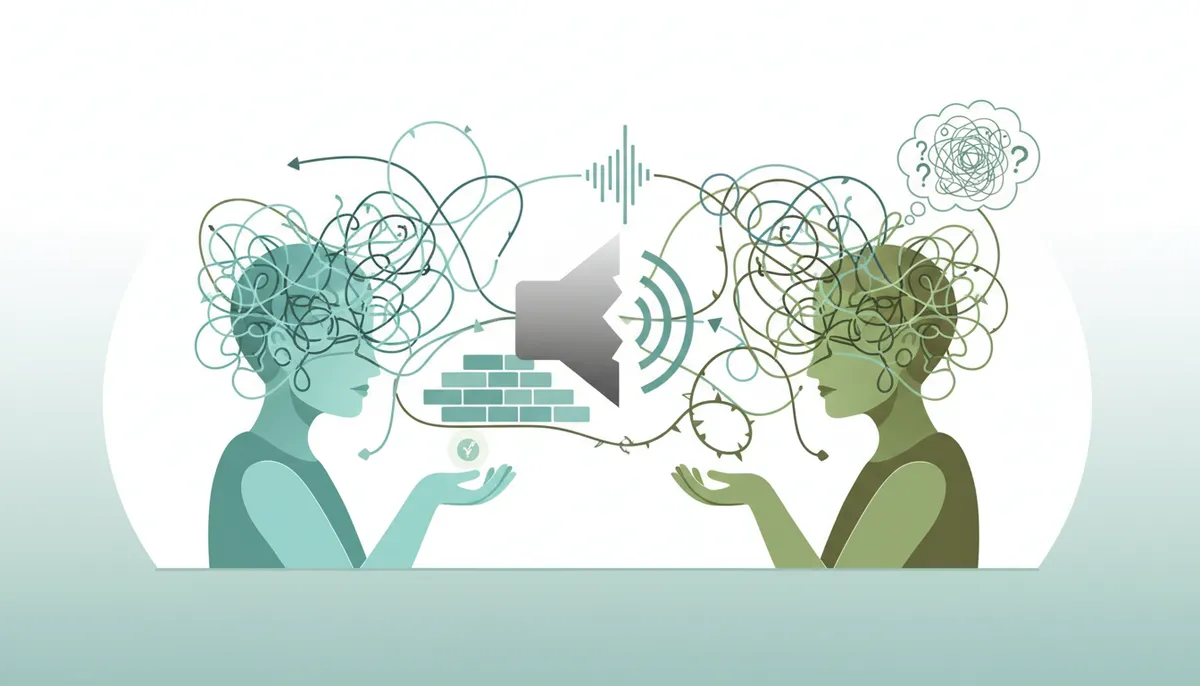
Communication breakdowns don’t happen overnight. They usually begin when we miss or ignore emotional cues from our partners. Maybe your partner seems quieter than usual, or they give short answers to your questions. These small moments matter more than we think. When we overlook these signals, we can accidentally create cycles of defensiveness, blame, or pulling away from each other. Over time, these patterns chip away at trust and closeness in the relationship.
In this article, we’ll explore the most common communication problems couples face, why they happen, and practical strategies you can use starting today to improve your connection. Whether you’re dealing with ongoing conflicts or just want to strengthen your bond, you’ll find helpful insights and actionable tips here.
Common Communication Problems in Relationships
Every couple faces bumps in the road, but certain communication issues show up again and again. Understanding what these problems look like is the first step toward fixing them.
Defensiveness and Blame
When we feel attacked or criticized, our natural response is often to defend ourselves. This might sound like “That’s not what I meant!” or “You always do the same thing!” Unfortunately, defensiveness shuts down real conversation. Instead of listening to understand, both partners end up protecting themselves. This creates a wall between you and your loved one.
Blame works the same way. When we point fingers at our partner for everything that goes wrong, they feel unfairly judged. Nobody wants to feel like the bad guy all the time. This pattern makes it scary to be honest or vulnerable, which are essential ingredients for true intimacy.
Avoiding Difficult Conversations
Sometimes couples sweep problems under the rug, hoping they’ll magically disappear. While avoiding every small disagreement isn’t healthy, research on long-term couples shows that strategic avoidance can actually be helpful. The key is knowing when to address an issue and when to let it go.
However, consistently dodging important conversations creates distance. Unresolved issues pile up like dirty dishes in the sink. Eventually, a small trigger can cause all those hidden frustrations to explode at once. This is why couples sometimes have huge fights over seemingly minor things like forgetting to buy milk.
Poor Listening Skills
We often think we’re listening when we’re really just waiting for our turn to talk. True listening means giving your full attention to your partner without planning your response. It means trying to understand their feelings, not just their words.
According to a study of 1,112 people in long-term relationships, listening was the single most common strategy for resolving conflicts. This wasn’t a coincidence. When partners feel truly heard, they feel valued and respected. This creates safety in the relationship, making it easier to work through disagreements together.
Bad Communication Habits to Drop in 2026
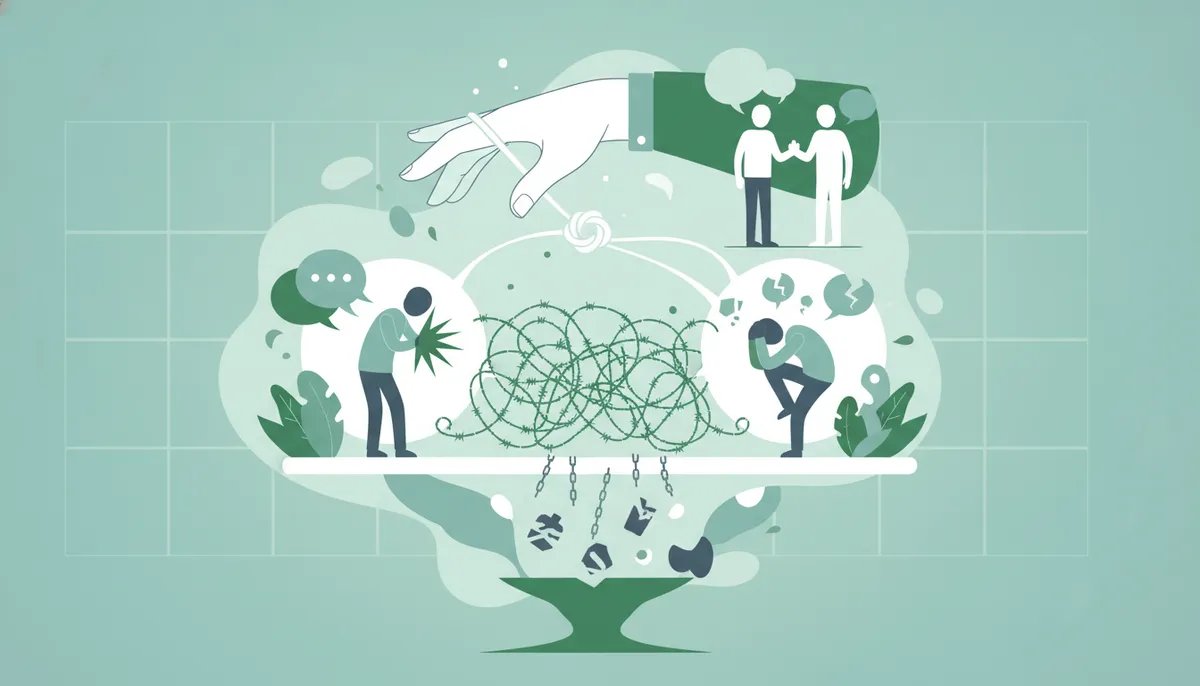
Some communication patterns are so destructive that they deserve special attention. If you notice these habits in your relationship, it’s time to make a change.
Using “Honesty” as an Excuse for Harshness
Being honest is important, but it’s not a free pass to be mean. Saying “I’m just being honest” after a hurtful comment doesn’t make it okay. There’s a big difference between speaking truthfully with kindness and using brutal honesty as a weapon.
Think about how you’d want to receive feedback. Most of us respond better to gentle honesty than harsh criticism, even when the message is the same. Your partner deserves that same consideration.
Overusing Therapy Terminology
Words like “gaslighting,” “narcissism,” and “toxic” have become popular in everyday conversation. While these terms describe real issues, throwing them around carelessly can be harmful. Misdiagnosing your partner’s behavior with clinical language often escalates conflicts instead of resolving them.
Instead of labeling your partner, describe how their actions make you feel. Say “I feel confused when you remember events differently than I do” rather than “You’re gaslighting me.” This approach keeps the conversation productive and less accusatory.
Needing to Win Every Argument
Relationships aren’t competitions. When you insist on being right about everything, you create a winner-loser dynamic. This damages the team spirit that healthy couples need.
Remember, you’re on the same side. The goal isn’t to defeat your partner – it’s to solve problems together. Sometimes agreeing to disagree is the wisest choice. Not every disagreement needs a victor.
How Long-Term Couples Handle Conflict Successfully
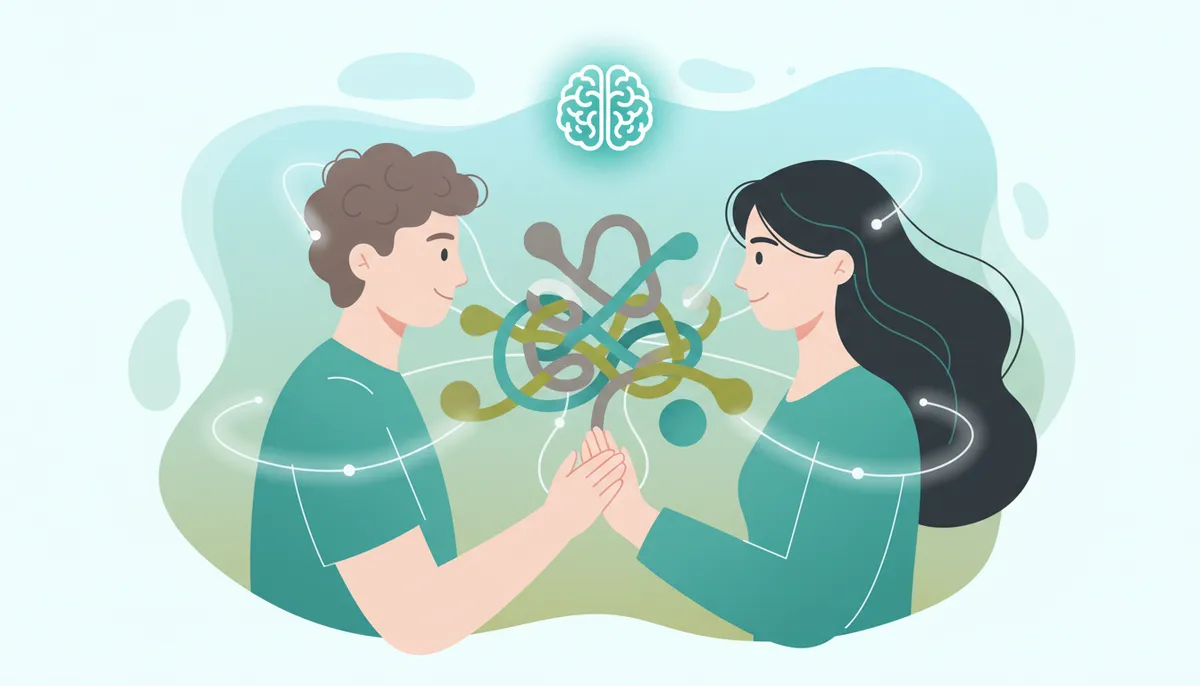
What can we learn from couples who’ve stayed together happily for years? Research reveals their top strategies for working through disagreements.
The Power of Active Listening
Active listening tops the list of successful conflict resolution techniques. This means making eye contact, nodding, and summarizing what you heard to confirm understanding. It also means putting away your phone and giving your partner your undivided attention.
Try this simple technique: After your partner speaks, repeat back what you heard in your own words. Ask “Did I understand that correctly?” This shows you care about getting it right, and it prevents misunderstandings from spiraling into bigger issues.
Compromising with Love
Compromise ranked high among long-term couples’ strategies. But true compromise isn’t about splitting everything 50/50. It’s about finding solutions where both people feel their needs matter.
Maybe you want to spend holidays with your family while your partner prefers staying home. A loving compromise might be alternating years, or celebrating with family one day and having quiet time another. The key is both people feeling heard and valued in the decision.
Cooling Down Before Talking
Many successful couples mentioned taking time to cool off before discussing heated topics. This isn’t avoiding the issue – it’s being smart about timing. When emotions run high, we say things we don’t mean. Taking a break helps you approach the conversation more calmly and rationally.
Set a specific time to revisit the discussion, though. Saying “Let’s talk about this tomorrow after dinner” is different from indefinitely postponing the conversation. This shows respect for both the issue and your partner.

The Impact of Negative Communication on Intimacy
Poor communication doesn’t just cause arguments – it creates emotional distance that affects every part of your relationship. When conversations turn negative, partners start feeling unsafe being vulnerable with each other. This protection mode might feel necessary, but it blocks the deep connection that makes relationships fulfilling.
Think about it this way: Would you share your deepest fears with someone who might criticize or dismiss them? Probably not. Negative communication patterns teach partners to hide their true feelings, leading to loneliness even when you’re physically together. Over time, this emotional distance can feel like living with a roommate instead of a romantic partner.
The good news is that communication quality directly affects relationship satisfaction. Research consistently shows that couples who communicate well report higher happiness in their relationships. This means improving how you talk and listen to each other can genuinely transform your connection.
Practical Strategies to Improve Communication Today
Ready to start making positive changes? These strategies work for couples at any stage of their relationship.
Use “I” Statements Instead of “You” Statements
This simple shift makes a huge difference. “You never help with housework” sounds accusatory and puts your partner on defense. “I feel overwhelmed when I handle all the housework alone” expresses your feelings without attacking.
“I” statements help your partner understand your experience without feeling blamed. They’re more likely to respond with empathy instead of defensiveness. This opens the door for productive conversation about solutions.
| Instead of Saying… | Try This |
|---|---|
| “You always ignore me” | “I feel lonely when we don’t spend quality time together” |
| “You’re so lazy” | “I feel frustrated when tasks don’t get completed” |
| “You never listen” | “I don’t feel heard when you check your phone during our conversations” |
Schedule Regular Check-Ins
Don’t wait for problems to explode before talking about your relationship. Set aside regular time – maybe weekly or biweekly – to check in with each other. Ask questions like:
- How are you feeling about us lately?
- Is there anything bothering you that we should discuss?
- What’s one thing I did this week that made you feel loved?
- What’s one thing I could do better?
These conversations keep small issues from becoming big ones. They also help you stay connected and aware of each other’s needs as they change over time.
Practice Reflective Listening
Here’s a powerful exercise: When your partner shares something important, your only job is to listen and reflect back what you heard. Don’t give advice, don’t share your opinion, just listen. Then say something like “What I’m hearing is that you felt hurt when I forgot our anniversary. Is that right?”
This technique ensures you truly understand before responding. It also helps your partner feel genuinely heard, which often matters more than solving the problem immediately.
When to Seek Professional Help
Sometimes couples need more support than self-help strategies can provide. There’s absolutely no shame in asking for help – in fact, it shows strength and commitment to your relationship.
Warning Signs You Could Benefit from Therapy
Consider reaching out to a professional if you notice these patterns:
- You have the same arguments repeatedly without resolution
- One or both partners feel contempt or disgust toward the other
- Communication has almost completely broken down
- You’re considering separation or divorce
- Trust has been broken and you can’t repair it on your own
- Past trauma or mental health issues affect your relationship
Margaret Deuerlein at West Florida Therapy specializes in helping couples navigate communication challenges with compassion and expertise. As a caring psychotherapist, she understands that every relationship faces unique struggles. Her approach focuses on building practical skills while creating a safe space for both partners to be heard.
What Happens in Therapy
Many people worry about what therapy will be like. Will someone take sides? Will you just complain about each other for an hour? Actually, good therapy provides tools and insights you can use immediately.
A skilled therapist helps you identify negative patterns you might not notice on your own. They teach specific communication techniques tailored to your relationship. They also create a neutral space where both partners can express themselves without judgment. According to the CDC’s mental health resources, professional support can significantly improve relationship outcomes when couples commit to the process.
West Florida Therapy offers both in-person sessions and virtual appointments throughout Florida, making it convenient to get the help you need. They also provide bilingual services in English and Spanish, ensuring language never becomes a barrier to healing your relationship.
Building Long-Term Communication Success
Improving communication isn’t a one-time fix – it’s an ongoing practice. Think of it like going to the gym. You wouldn’t expect to get fit from one workout, right? The same goes for relationship skills. Consistency matters more than perfection.
Celebrate Small Wins
Notice and acknowledge when communication goes well. Did you handle a disagreement better than usual? Did your partner really listen when you shared something important? Celebrate these moments! Positive reinforcement helps new habits stick.
Be Patient with Yourself and Your Partner
Change takes time. You’ll both mess up sometimes, and that’s okay. What matters is that you keep trying. Forgive yourself when you slip into old patterns, learn from it, and keep moving forward. Your partner deserves that same grace too.
Remember that communication quality strongly correlates with overall relationship satisfaction. Every small improvement you make contributes to a happier, healthier partnership. The research backs this up – couples who work on their communication skills report greater relationship stability over time.
Additional Resources and Support
You don’t have to figure everything out alone. Many resources can support your journey toward better communication:
- Florida Department of Health Mental Health Links – Comprehensive mental health resources across Florida
- Florida Department of Children and Families – Support services for mental health and relationship wellness
- Local support groups for couples facing similar challenges
- Books and podcasts about relationship communication
Sometimes reaching out feels scary, but it’s often the bravest and most important step you can take. If you’re struggling with anxiety about your relationship or communication feels impossible, professional support can make all the difference.
Moving Forward Together
Relationship and communication issues don’t mean your relationship is doomed. Every couple faces challenges – what matters is how you address them. The strategies we’ve discussed here – active listening, using “I” statements, taking cooling-off breaks, and seeking help when needed – work for countless couples every year.
The most important thing to remember is that you’re a team. You’re not fighting against your partner; you’re fighting together against the problems you face. This mindset shift alone can transform how you approach difficult conversations.
Margaret Deuerlein at West Florida Therapy understands the complexities of relationship dynamics and provides compassionate, practical support for couples ready to improve their communication. Whether you’re dealing with ongoing conflicts or want to strengthen an already good relationship, professional guidance can help you build the skills you need.
Don’t wait until problems feel insurmountable. Small changes today can prevent bigger issues tomorrow. Your relationship deserves the investment of time and effort it takes to communicate well. After all, the person you chose to be with is worth fighting for – just make sure you’re fighting together, not against each other.
Ready to take the first step toward better communication and a stronger relationship? Reach out to West Florida Therapy today to schedule your first session. You can also check out what other couples are saying about their experience on Google. Your journey toward deeper connection and understanding starts with a single conversation.
FAQs
Q: What are the most common communication problems in relationships?
A: The most common issues include defensiveness and blame, avoiding difficult conversations, and poor listening skills. These patterns often start small but create cycles that damage trust and intimacy over time. When partners feel unheard or attacked, they pull away emotionally, making it harder to connect.
Q: How can couples improve their listening skills?
A: Practice active listening by giving your full attention without planning your response. Make eye contact, put away distractions, and summarize what you heard to confirm understanding. Try saying “What I’m hearing is…” and ask if you got it right. This simple technique helps partners feel truly valued and understood.
Q: Is avoiding conflict always bad for relationships?
A: Not necessarily! Research on long-term couples shows that strategic avoidance can actually be helpful. The key is knowing when to address an issue and when to let small things go. However, consistently dodging important conversations creates distance and allows resentment to build up over time.
Q: What are signs that we need therapy for communication issues?
A: Consider professional help if you have the same arguments repeatedly without resolution, feel contempt toward each other, or communication has almost completely broken down. Other warning signs include considering separation, dealing with broken trust, or when past trauma affects your relationship. A caring therapist like Margaret Deuerlein can provide practical tools and create a safe space for both partners.
Q: How do ‘I’ statements help in arguments?
A: “I” statements express your feelings without attacking your partner, reducing defensiveness and opening space for empathy. Instead of saying “You never help,” try “I feel overwhelmed when I handle everything alone.” This approach helps your partner understand your experience without feeling blamed, making productive conversation possible.