Have you recently experienced something terrifying that you can’t seem to shake off? Maybe a car accident keeps replaying in your mind, or you find yourself jumpy and irritable after witnessing something traumatic. If these feelings are affecting your daily life in Brandon, you might be dealing with acute stress disorder (ASD). The good news is that help is available right here in your community, and recognizing the signs early can make a huge difference in your recovery.
Acute stress disorder is your mind’s way of responding to overwhelming events. While it’s normal to feel shaken after something scary happens, ASD goes beyond typical stress responses. Understanding when your symptoms need professional attention can help you get back to feeling like yourself again. Margaret Deuerlein, a caring psychotherapist at West Florida Therapy, specializes in helping people navigate these challenging experiences with compassion and evidence-based approaches.
In this guide, we’ll explore the key signs that indicate you might benefit from acute stress disorder treatment, what makes Brandon a supportive environment for recovery, and how professional help can transform your healing journey.
Understanding What Acute Stress Disorder Really Means
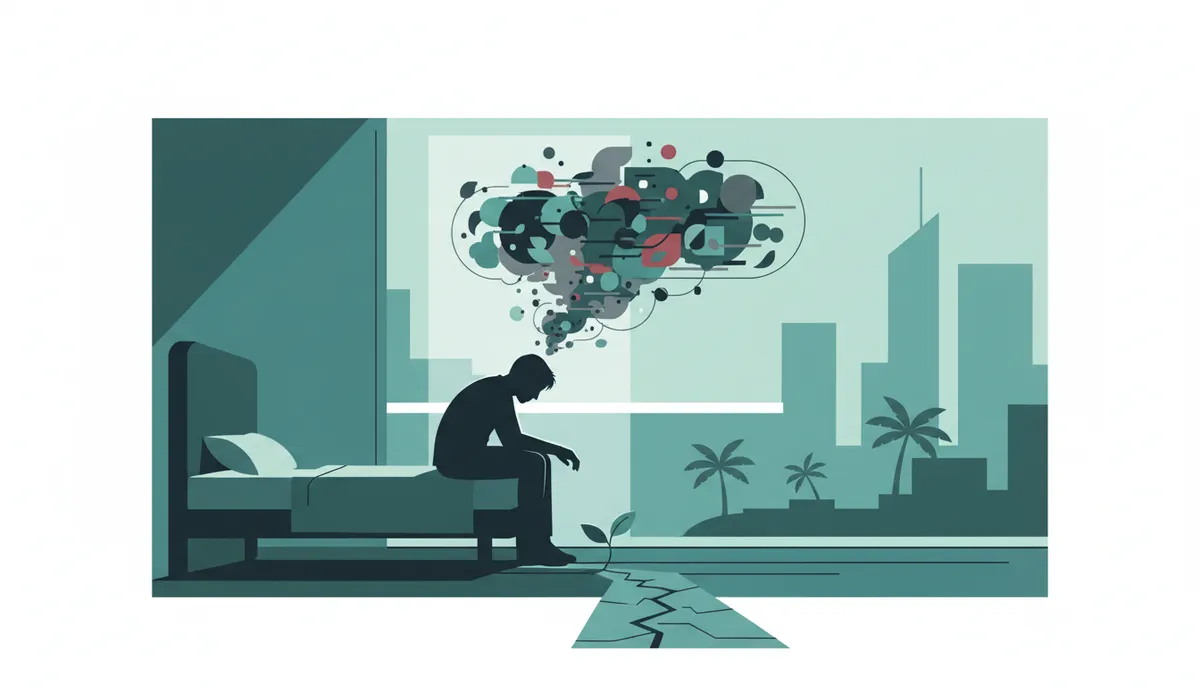
Acute stress disorder develops within days or weeks after experiencing a traumatic event. Unlike everyday stress from work deadlines or family obligations, ASD stems from situations that threaten your safety or the safety of someone you care about. These might include serious accidents, natural disasters, physical assault, or witnessing violence.
The disorder typically appears within three days to one month after the traumatic experience. Your brain essentially gets stuck in emergency mode, continuing to sound alarm bells even when the danger has passed. This creates a cascade of emotional, physical, and mental symptoms that interfere with your normal routines.
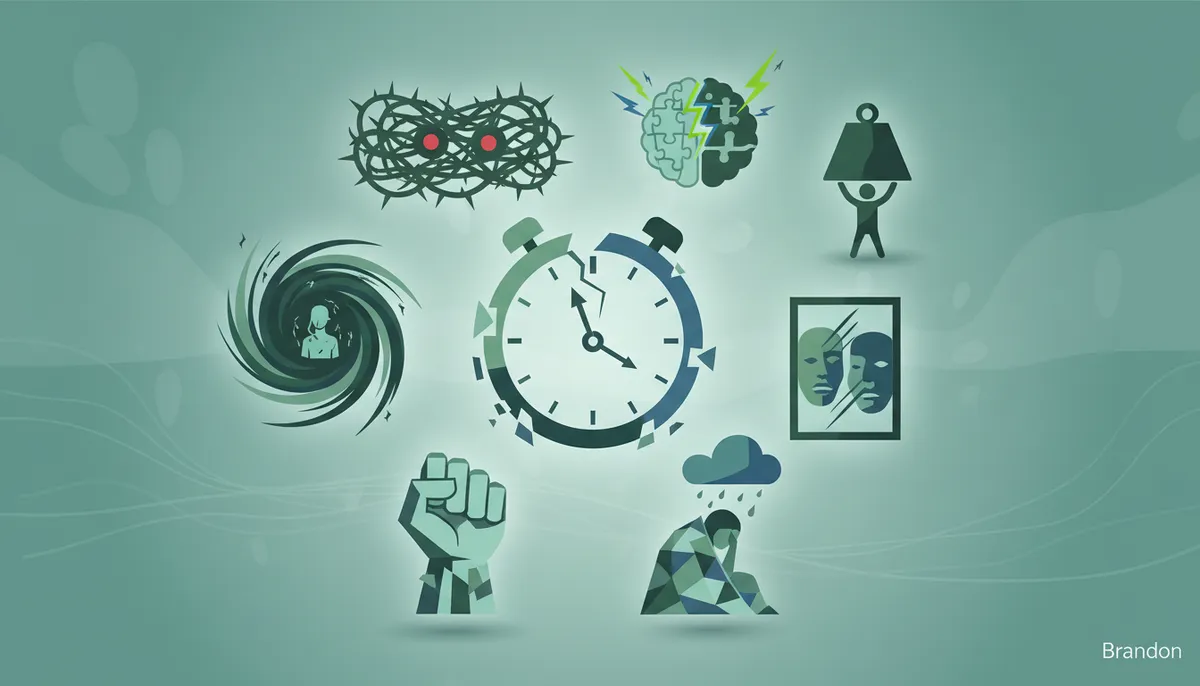
What sets ASD apart from general anxiety or stress is its direct connection to a specific traumatic event and the intensity of symptoms. People with acute stress disorder often experience a combination of intrusive memories, avoidance behaviors, negative mood changes, and heightened arousal that significantly disrupts their daily functioning.
1. Intrusive Memories That Won’t Stop
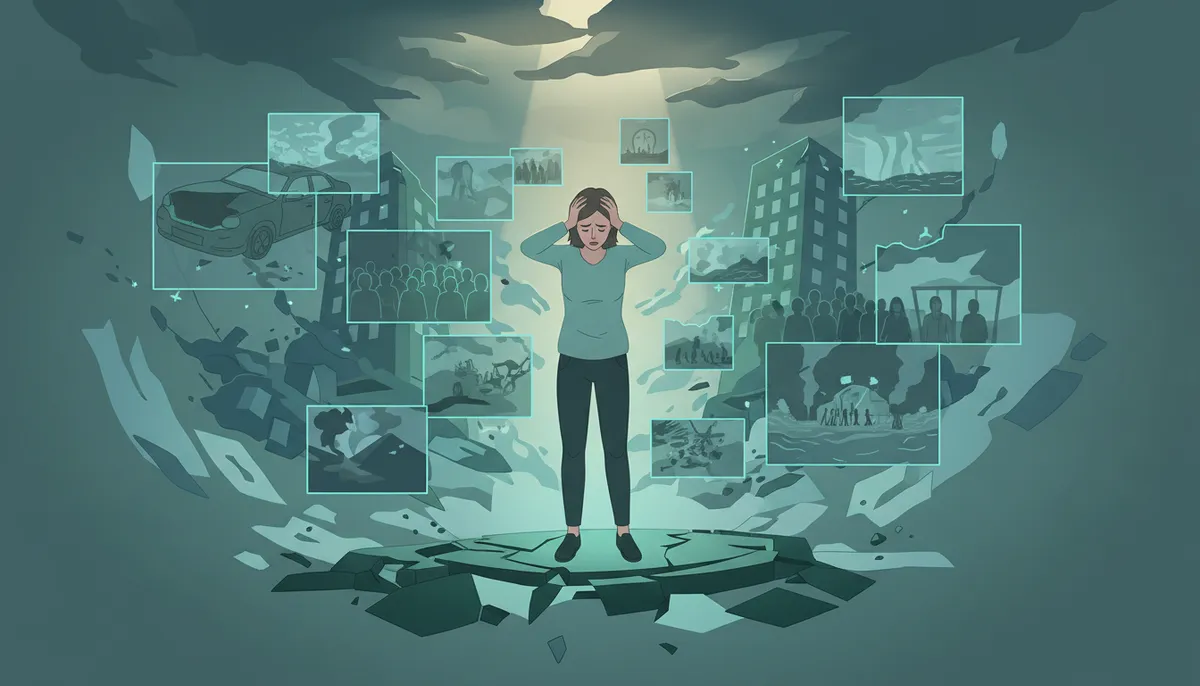
One of the most distressing signs of acute stress disorder is experiencing unwanted, repeated memories of the traumatic event. These aren’t just occasional thoughts – they’re vivid flashbacks that make you feel like you’re reliving the experience all over again. You might be going about your day in Brandon when suddenly you’re transported back to that frightening moment.
These intrusive memories can appear as:
- Vivid flashbacks that feel incredibly real
- Disturbing nightmares that wake you up in a panic
- Intense emotional reactions to reminders of the event
- Physical sensations similar to what you felt during the trauma
- Unwanted thoughts that pop up without warning
If you find yourself unable to control these memories despite trying to push them away, this is a strong indicator that professional trauma therapy could help you process what happened in a healthier way.
2. Avoiding Reminders of the Traumatic Experience
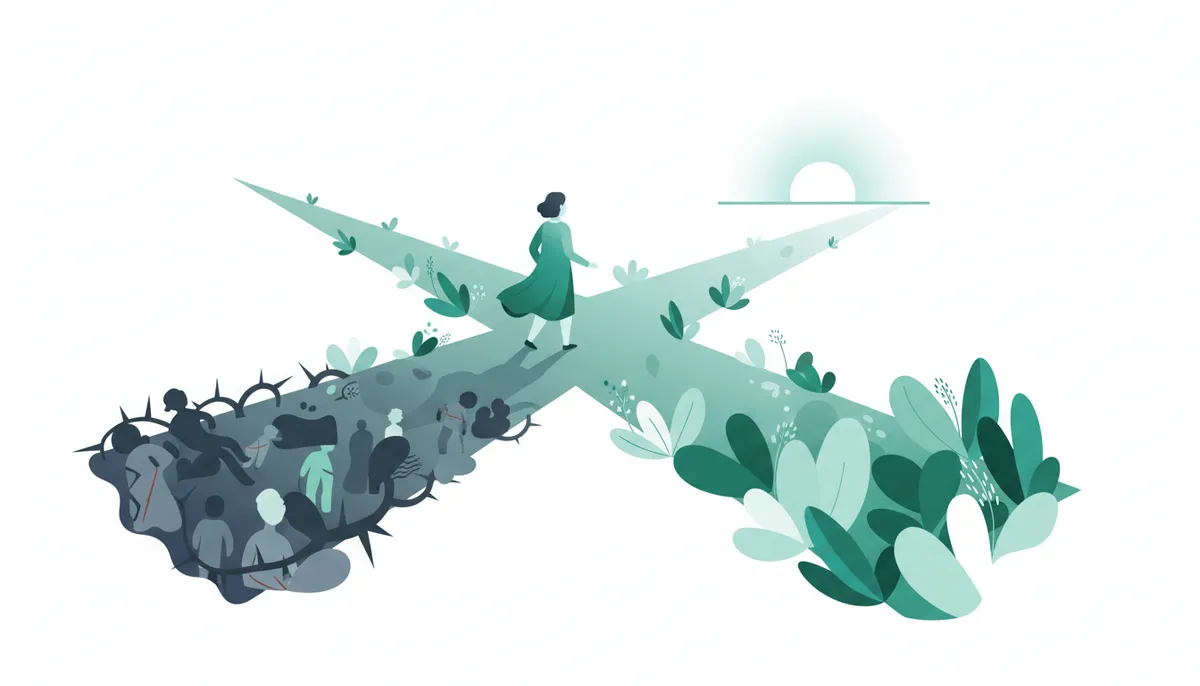
After a traumatic event, it’s natural to want to avoid anything that reminds you of what happened. However, when this avoidance starts limiting your life in significant ways, it becomes a symptom of acute stress disorder. You might find yourself taking elaborate detours to avoid certain places in Brandon, canceling plans with friends, or refusing to discuss what happened.
Common avoidance behaviors include:
- Staying away from specific locations where the event occurred
- Refusing to talk about the traumatic experience with anyone
- Avoiding people, conversations, or activities that trigger memories
- Changing your daily routines to prevent encountering reminders
- Using substances or excessive work to numb emotional pain
While avoidance might feel protective in the short term, it actually prevents your brain from processing the trauma effectively. Professional treatment helps you gradually face these triggers in a safe, controlled way.
3. Feeling Emotionally Numb or Detached
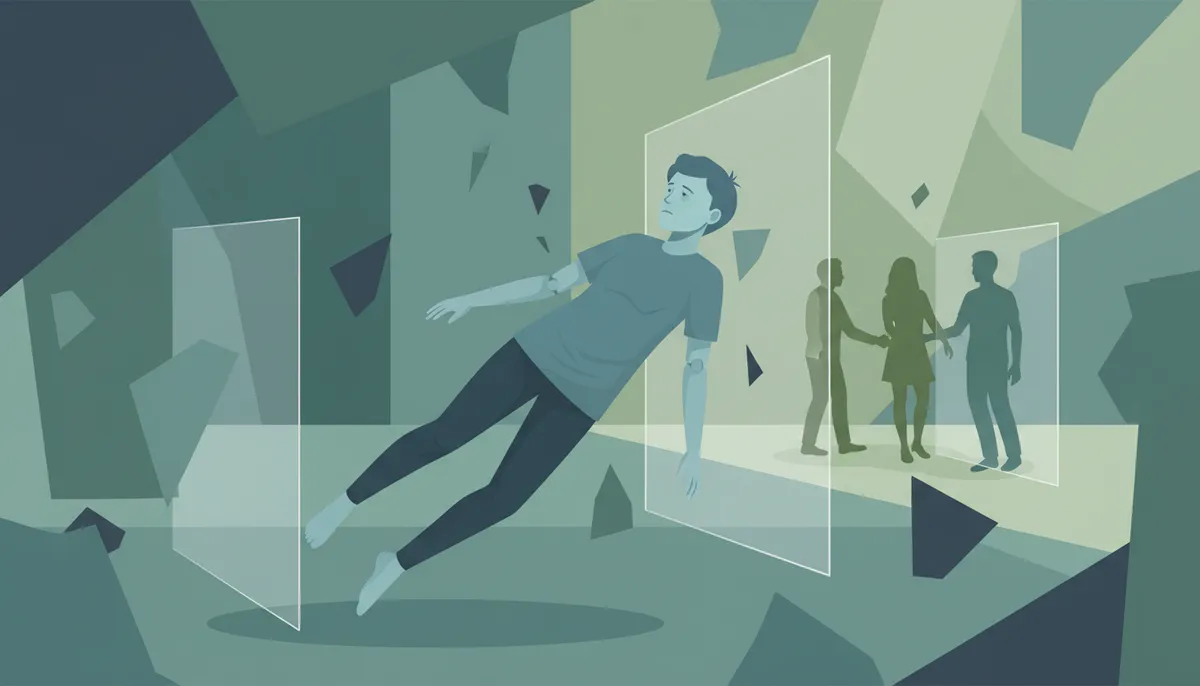
Have you noticed that things that used to bring you joy now feel flat and meaningless? Many people with acute stress disorder describe feeling emotionally disconnected from their lives, almost like they’re watching everything from behind a glass wall. This emotional numbness is your brain’s attempt to protect you from overwhelming feelings, but it can leave you feeling isolated and alone.
You might experience:
- Difficulty feeling happiness, love, or satisfaction
- A sense of being detached from your own body or surroundings
- Feeling like you’re in a fog or dream-like state
- Inability to remember important parts of the traumatic event
- Loss of interest in hobbies and activities you previously enjoyed
- Feeling disconnected from family and friends
Margaret Deuerlein understands how frightening this numbness can feel and works with clients to safely reconnect with their emotions through gentle, supportive therapeutic approaches.
4. Constant State of High Alert
Does your heart race at unexpected sounds? Do you find yourself constantly scanning your environment for potential threats? After a traumatic experience, your nervous system can get stuck in overdrive, keeping you in a perpetual state of high alert even when you’re safe at home in Brandon.
Signs of heightened arousal include:
- Exaggerated startle response to normal sounds or movements
- Difficulty falling asleep or staying asleep throughout the night
- Irritability or angry outbursts over minor frustrations
- Trouble concentrating on tasks at work or school
- Hypervigilance – constantly watching for danger
- Physical tension that won’t release
This constant state of tension is exhausting and can lead to additional health problems if left untreated. Anxiety treatment techniques specifically designed for trauma survivors can help calm your overactive nervous system.
5. Significant Changes in Sleep Patterns
Sleep disturbances are among the most common and frustrating symptoms of acute stress disorder. You might lie awake for hours replaying the traumatic event, wake up multiple times during the night in a panic, or experience such vivid nightmares that you’re afraid to fall asleep. Quality rest becomes nearly impossible when your brain remains on high alert.
| Sleep Problem | How It Affects You | Impact on Daily Life |
|---|---|---|
| Insomnia | Difficulty falling or staying asleep | Exhaustion, poor concentration, irritability |
| Nightmares | Traumatic dreams that wake you up | Fear of sleeping, anxiety at bedtime |
| Sleep Avoidance | Staying awake to prevent nightmares | Severe fatigue, health problems |
| Restless Sleep | Tossing, turning, never feeling rested | Physical exhaustion, mood changes |
Professional treatment addresses these sleep issues directly, teaching you techniques to calm your mind and body before bed. Many Brandon residents find that therapy helps them reclaim restful nights and wake up feeling more equipped to handle their days.
6. Difficulty Functioning in Daily Responsibilities
When acute stress disorder takes hold, even simple daily tasks can feel overwhelming. You might struggle to show up for work, forget important appointments, or find yourself unable to focus on conversations with your loved ones. This functional impairment is a clear sign that your symptoms need professional attention.
Common functional difficulties include:
- Missing work or school due to symptoms
- Declining performance in job or academic responsibilities
- Withdrawing from social activities and friendships
- Neglecting household chores and personal care
- Difficulty making decisions or completing tasks
- Strained relationships with family members
If you notice that your traumatic experience is preventing you from maintaining your regular life in Brandon, reaching out for help shows strength, not weakness. Contact us to discuss how therapy can help you regain your footing and rebuild your daily routines.
7. Physical Symptoms Without Medical Explanation
Your mind and body are deeply connected, and acute stress disorder often manifests through physical symptoms that can be just as distressing as the emotional ones. You might visit your doctor in Brandon only to be told that nothing is physically wrong – but the symptoms feel very real because they are real responses to psychological trauma.
Physical manifestations of ASD include:
- Persistent headaches or migraines
- Stomach problems, nausea, or digestive issues
- Chest pain or rapid heartbeat
- Muscle tension, especially in neck and shoulders
- Dizziness or feeling lightheaded
- Chronic fatigue despite adequate rest
According to the CDC’s mental health resources, understanding the connection between psychological trauma and physical symptoms is crucial for comprehensive healing. A psychotherapist who specializes in trauma can help you address both the mental and physical aspects of your recovery.
8. Intense Guilt or Self-Blame
Many people experiencing acute stress disorder struggle with overwhelming feelings of guilt or self-blame. You might constantly replay the traumatic event, thinking about what you could have done differently, or feel responsible for outcomes that were beyond your control. These thoughts can become obsessive and deeply painful.
Common patterns of guilt include:
- Blaming yourself for not preventing the traumatic event
- Feeling guilty for surviving when others didn’t
- Harsh self-criticism about your reactions during the trauma
- Believing you don’t deserve help or support
- Punishing yourself through self-destructive behaviors
This self-blame is a symptom of the disorder, not a reflection of reality. Working with a compassionate therapist like Margaret Deuerlein can help you develop a more balanced perspective and release the burden of misplaced guilt. The Florida Department of Health provides additional resources for mental health support throughout the state.
9. Symptoms Lasting More Than Three Days
While it’s completely normal to feel shaken immediately after a traumatic experience, acute stress disorder is diagnosed when symptoms persist for three days to one month after the event. If you’re still experiencing significant distress beyond the initial shock period, this timeline itself is a sign that professional treatment could benefit you.
| Timeline | What’s Happening | Action to Take |
|---|---|---|
| 0-3 Days | Normal acute stress response | Self-care, social support, monitoring |
| 3 Days – 1 Month | Potential acute stress disorder | Seek professional evaluation and treatment |
| Beyond 1 Month | May develop into PTSD without treatment | Immediate therapeutic intervention recommended |
Early intervention is incredibly important because treating acute stress disorder promptly can prevent it from developing into longer-term conditions like post-traumatic stress disorder (PTSD). The sooner you address your symptoms, the better your chances for complete recovery.
Why Brandon Is a Supportive Community for Healing
Brandon offers a warm, welcoming environment that supports mental health recovery. The community’s understanding atmosphere makes it easier to seek help without fear of judgment. Local resources, including West Florida Therapy, provide accessible care that meets the specific needs of Brandon residents.
Many people find that having treatment available close to home reduces barriers to getting help. You won’t need to travel far or disrupt your entire schedule to attend therapy sessions. Additionally, working with a therapist who understands the Brandon community means your treatment can be tailored to your specific lifestyle and circumstances.
For Spanish-speaking residents, bilingual services ensure that language barriers don’t prevent you from accessing quality care. This inclusive approach means everyone in Brandon can find the support they need to heal from traumatic experiences.
What Professional Treatment Can Do for You
Professional acute stress disorder treatment typically includes several evidence-based approaches that work together to help you heal. Cognitive-behavioral therapy (CBT) helps you identify and change thought patterns that keep you stuck in trauma responses. This approach teaches you practical skills for managing symptoms and processing what happened in a safe, structured way.
Exposure therapy, when appropriate, gradually helps you face trauma-related memories and situations that you’ve been avoiding. This isn’t about forcing you to confront your fears all at once – it’s a gentle, controlled process that happens at your own pace with your therapist’s full support.
Additional treatment components might include:
- Relaxation techniques to calm your nervous system
- Sleep hygiene education to improve rest quality
- Mindfulness practices to ground you in the present moment
- Stress management strategies for daily life
- Support in rebuilding your sense of safety and trust
Margaret Deuerlein combines these approaches based on your unique needs and preferences. Treatment is collaborative – you’re an active partner in your own healing process, not a passive recipient of services.
Taking the First Step Toward Recovery
Reaching out for help can feel intimidating, especially when you’re already dealing with the effects of trauma. But taking that first step is often the hardest part, and it’s also the most important. You don’t have to live with the overwhelming symptoms of acute stress disorder – effective treatment is available right here in Brandon.
When you work with a qualified psychotherapist, you’re not just managing symptoms – you’re addressing the root of your distress and building resilience for the future. Many people find that therapy not only helps them recover from their traumatic experience but also equips them with valuable coping skills that serve them long after treatment ends.
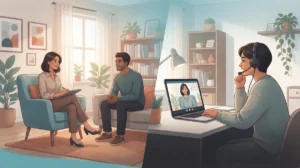
West Florida Therapy offers both in-person sessions in the office and virtual appointments throughout Florida, making it convenient to access care in whatever format feels most comfortable for you. Whether you prefer face-to-face connection or the flexibility of online sessions, help is within reach.
Your Path Forward Starts Today
Living with acute stress disorder doesn’t have to be your reality. The nine signs we’ve discussed – intrusive memories, avoidance behaviors, emotional numbness, constant alertness, sleep problems, functional difficulties, physical symptoms, guilt, and persistent symptoms – all point toward one important truth: you deserve support and you can feel better.
Recovery from acute stress disorder is absolutely possible with the right treatment approach. Margaret Deuerlein’s compassionate, evidence-based care helps Brandon residents process traumatic experiences and reclaim their lives. You don’t have to navigate this journey alone or wait until symptoms become unbearable.
According to Florida’s mental health services, early intervention significantly improves outcomes for people experiencing trauma-related disorders. The support you need is available, and taking action now can prevent your symptoms from developing into more chronic conditions.
If you recognize these signs in yourself or someone you care about, don’t wait to seek help. Your mental health matters just as much as your physical health, and treating acute stress disorder is an investment in your overall wellbeing and future happiness. Visit us on Google to read reviews from other Brandon residents who have found healing through therapy, or reach out today to schedule your first appointment and begin your journey toward recovery.
FAQs
Q: How is acute stress disorder different from PTSD?
A: Acute stress disorder occurs within the first month after a traumatic event and lasts between three days and one month. If symptoms persist beyond one month, it may develop into PTSD. Getting treatment for ASD early can actually prevent it from becoming PTSD, which is why seeking help quickly matters so much.
Q: Can acute stress disorder go away on its own without treatment?
A: While some people’s symptoms naturally decrease over time, many others find that without professional help, their symptoms persist or worsen. Treatment significantly increases your chances of full recovery and prevents the development of longer-term conditions. Why suffer longer than necessary when effective help is available?
Q: How long does treatment for acute stress disorder typically take?
A: Treatment length varies based on individual needs, but many people see significant improvement within 8-12 sessions of focused therapy. Some may need more or less time depending on the severity of symptoms and personal circumstances. Your therapist will work with you to create a treatment plan that fits your specific situation and goals.
Q: Will I have to relive the traumatic event in therapy?
A: You’ll never be forced to discuss details you’re not ready to share. A skilled therapist like Margaret Deuerlein works at your pace, helping you process the trauma gradually and safely. The goal is healing, not retraumatization, and you maintain control over what you share and when.
Q: Is therapy for acute stress disorder covered by insurance?
A: Many insurance plans do cover mental health treatment, including therapy for acute stress disorder. It’s best to contact your insurance provider directly to understand your specific coverage, or reach out to West Florida Therapy to discuss payment options and insurance verification. Don’t let cost concerns prevent you from seeking the help you deserve.