

Key Takeaways
-
Depression disrupts communication first, making conversations feel forced and causing partners to misinterpret silence as coldness; rebuilding connection requires learning new ways to talk and listen together.
-
Relationship stress and depression create a two-way cycle: rocky partnerships drain mood while depression makes small problems feel huge; both individual therapy and couples counseling together work better than either alone.
-
The non-depressed partner often becomes a caregiver, which leads to burnout and imbalance; healthy support means encouraging treatment and being patient, not trying to fix the depression yourself.
-
Depression lowers sexual interest and intimacy as a symptom—not a sign of lost love—and can increase irritability that gets mistaken for anger, requiring explicit conversation to prevent resentment from building silently.
Depression rarely stays quiet in a relationship. It shows up in short tempers, missed date nights, and conversations that feel harder than they used to. If you have ever wondered why your partner pulled away, or why your own sadness seems to be pushing loved ones out, you are not alone. Many couples and families across Florida quietly struggle with this exact pattern before they ever ask for help.
The good news is that depression and relationships can heal together. Understanding how mood struggles affect connection is the first step toward real change. In this article, we will walk through six key ways depression and relationships intersect, plus what you can do about it. Whether you are dating, married, parenting a teen, or supporting a partner, this guide is for you.
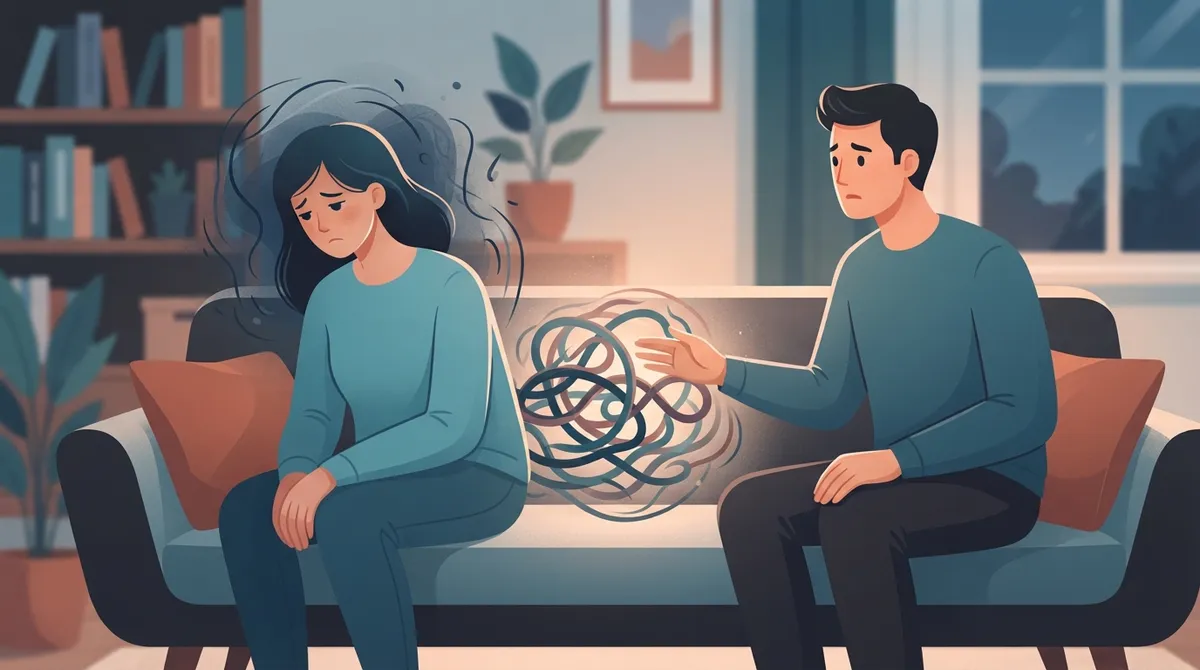
Why Depression and Relationships Are So Closely Linked
Depression is not just sadness. It changes how a person thinks, talks, and shows up for others. This is why understanding what depression is and how it affects daily life matters so much for couples and families.
Here is a simple truth many people miss: relationship stress can also cause depression. It works both ways. A rocky partnership can drain your energy and mood. And low mood can make small relationship problems feel huge.
- Depression can lower energy needed for connection and intimacy
- It can make communication feel exhausting or pointless
- Irritability from depression is often mistaken for anger at a partner
- Withdrawal from depression can look like rejection to loved ones
- Untreated depression can slowly erode trust and closeness over time

6 Ways Depression and Relationships Affect Each Other
1. Communication Often Breaks Down First
When someone is depressed, words can feel harder to find. Conversations that used to flow easily may now feel forced or empty. Partners may misread silence as coldness instead of a symptom.
This is one of the most common issues we see in relationship and communication issues therapy. Learning new ways to talk and listen can rebuild the bridge depression tends to break.
2. Intimacy and Closeness Can Fade
Depression often lowers interest in physical touch, closeness, and even everyday affection. This is not a reflection of love. It is a symptom, much like fatigue or low appetite.
Many couples benefit from exploring intimacy-focused support to understand what is happening and how to reconnect without pressure or blame.
3. Shared Responsibilities Can Feel Unbalanced
When depression drains motivation, everyday tasks like cooking, parenting, or paying bills can pile up. The other partner may feel like they are carrying the relationship alone.
Over time, this imbalance can create resentment on both sides. Naming the pattern early, rather than letting it build silently, helps prevent long-term damage.
4. Conflict Can Increase, Even Over Small Things
Depression can shorten patience and increase sensitivity to criticism. Small disagreements may turn into bigger arguments faster than before.
Learning conflict resolution skills gives couples a way to disagree without damaging the relationship. This is especially helpful when one or both partners are managing depression.
5. One Partner May Take on a Caregiver Role
It is common for the non-depressed partner to slip into a caretaker role. While support is important, this shift can create imbalance and burnout if it goes on too long.
Supportive partners can help most by encouraging treatment, being patient, and gently supporting the person’s care plan, rather than trying to “fix” the depression themselves.
6. Relationship Problems Can Trigger or Worsen Depression
Breakups, ongoing conflict, infidelity, or feeling unseen in a relationship can all trigger depressive symptoms. Sometimes what looks like a “relationship problem” is really a mental health issue in disguise, and vice versa.
This is why many therapists screen for depression even when a client’s main concern is described as relationship problems. Both sides of the picture often need attention.
How Therapy Helps Depression and Relationships Heal Together
One especially helpful approach is Interpersonal Therapy (IPT). This method focuses directly on relationship problems and social functioning to reduce depressive symptoms. It looks at grief, role changes, conflict, and social isolation as key pieces of the depression puzzle.
At West Florida Therapy, Margaret Deuerlein brings a warm, caring approach to helping individuals and couples work through depression’s impact on their relationships. She understands that healing often needs both individual support and relationship-focused work happening at the same time.
| Approach | Best For | What It Addresses |
|---|---|---|
| Individual Depression Therapy | One partner struggling with mood symptoms | Personal thought patterns, energy, motivation |
| Couples Therapy | Communication and connection struggles | Conflict, intimacy, shared understanding |
| Interpersonal Therapy (IPT) | Depression tied closely to relationship roles | Grief, role change, social support |
| Emotionally Focused Therapy | Couples feeling disconnected | Emotional bonding and attachment |
Steps to Take If Depression Is Affecting Your Relationship
If you recognize these patterns in your own relationship, here are some steps that can help right now.
- Name what is happening. Say out loud that depression may be part of the problem, not just “how things are.”
- Encourage professional support instead of trying to manage everything alone.
- Consider both mood issues therapy and couples support together, since both symptoms and interaction patterns often need attention.
- Set small, realistic expectations instead of expecting instant change.
- Check in regularly about how each partner is feeling and coping.
- Seek urgent help if there are any safety concerns or thoughts of self-harm.
How to Support a Partner Who Is Depressed
Supporting someone with depression can feel confusing. You want to help, but you do not want to make things worse. Here are a few gentle ways to show up for them:
- Listen without trying to immediately solve the problem
- Encourage treatment gently, without pressure or ultimatums
- Take care of your own mental health too, so you do not burn out
- Avoid taking withdrawal or irritability personally
- Celebrate small wins, like getting out of bed or attending a session
- Learn about how to talk about depression with family and friends so conversations feel less awkward
When to Seek Urgent Help
Sometimes depression within a relationship becomes more serious than day-to-day struggles. If you or your partner are experiencing thoughts of self-harm, please treat this as an emergency, not something to manage alone.
The SAMHSA National Helpline is available 24/7 at 1-800-662-HELP (4357) for mental health, drug, and alcohol concerns. You can also review trusted Mental Health Links from the Florida Department of Health for local resources, or explore statewide support through Substance Abuse & Mental Health services in Florida.
For general guidance on supporting a loved one’s mental health, the CDC also offers helpful Mental Health Resources for caregivers and families.
Bilingual, Flexible Care for Florida Families
Depression does not discriminate, and neither should access to care. West Florida Therapy offers bilingual services in English and Spanish, so language is never a barrier to getting help. Whether you prefer telehealth therapy across Florida or in-person sessions, support is available in the format that works best for your life.
Many clients start with a simple phone consultation to talk through what they are experiencing, as outlined in our therapy process. From there, a personalized plan is built around your specific relationship and mental health needs.
Curious what others in the community are saying? You can visit us on Google — West Florida Therapy to read real reviews from local clients who have gone through this same journey.
You Do Not Have to Choose Between Healing Yourself and Healing Your Relationship
Depression and relationships are deeply connected, but that connection can work in your favor once you understand it. Small shifts in communication, support, and treatment can create real, lasting change for both you and the people you love.
If depression is affecting your relationship, or your relationship stress feels like it is turning into depression, you do not have to figure it out alone. Margaret Deuerlein and the caring team at West Florida Therapy are here to walk alongside you, one session at a time. Reach out today to schedule your free 15-minute consultation and take the first step toward a healthier, more connected relationship.
FAQs
Q: How does depression affect relationships?
A: Depression can lower energy for communication, reduce interest in intimacy, and cause withdrawal that partners often mistake for rejection. It can also increase irritability, which can turn small disagreements into bigger conflicts. The good news is that these patterns can improve with the right support.
Q: Can depression ruin a marriage or partnership?
A: Untreated depression can strain a relationship deeply, but it does not have to be the end. Many couples rebuild connection through a mix of individual therapy for depression and couples counseling. With patience and professional guidance, relationships often grow stronger through the process.
Q: Should couples go to therapy if one partner has depression?
A: Yes, couples therapy alongside individual treatment is often very helpful. It gives both partners tools to communicate better and understand what depression is really doing to the relationship. This combined approach tends to work better than tackling either issue alone.
Q: How do you support a partner who is depressed?
A: The best support is gentle encouragement, patience, and helping them stick with their treatment plan. Try to listen without judgment and avoid taking their withdrawal personally. Remember to care for your own well-being too, since supporting someone through depression can be emotionally tiring.
Q: When should someone seek urgent help for depression in a relationship?
A: If there are any thoughts of self-harm or safety concerns, it is time to seek help right away, not wait it out. The SAMHSA National Helpline at 1-800-662-HELP (4357) is available 24/7 for immediate support. Please treat these moments as urgent, not something to manage through relationship support alone.