Key Takeaways
-
Verify your therapist's Florida license through the Florida Department of Health license search tool, checking that it is active and that the provider has experience with your specific concern.
-
Florida telehealth rules generally require a provider to be authorized to practice in Florida when serving a client located in Florida, so confirm this before booking.
-
Create a private, quiet space for sessions, use headphones, test your camera, microphone, and internet beforehand, and silence your phone to protect privacy and stay focused.
-
Virtual counseling isn't right for every situation; higher-risk or crisis needs may call for in-person care, and a good provider will assess fit and refer you if remote care isn't suitable.
-
Ask about fees, cancellation policy, insurance and telehealth coverage, privacy protections, and urgent-need plans before booking, and verify your benefits directly with your insurer.
-
Virtual counseling is not an emergency service; in immediate danger call 911, and in a mental health crisis call or text 988.
You finally decided to talk to someone. That’s a big deal, and we’re proud of you for even typing “virtual counseling Brandon FL” into a search bar. But here’s the thing: many people take that brave first step and then trip over small, avoidable mistakes that make online therapy feel less helpful than it should.
Maybe you pick the first name you see. Maybe you log in from a noisy kitchen. Maybe you quit after one awkward session. We’ve all been there with something in life! The good news is that these mistakes are easy to fix once you know what they look like.
In this friendly guide, we’ll walk through four common missteps people make with virtual counseling in Brandon, Florida. You’ll also learn how online therapy works, what Florida expects from licensed providers, and how to get real value from every session. Let’s make your 2026 therapy journey a smooth one.
What Virtual Counseling in Brandon, FL Really Means
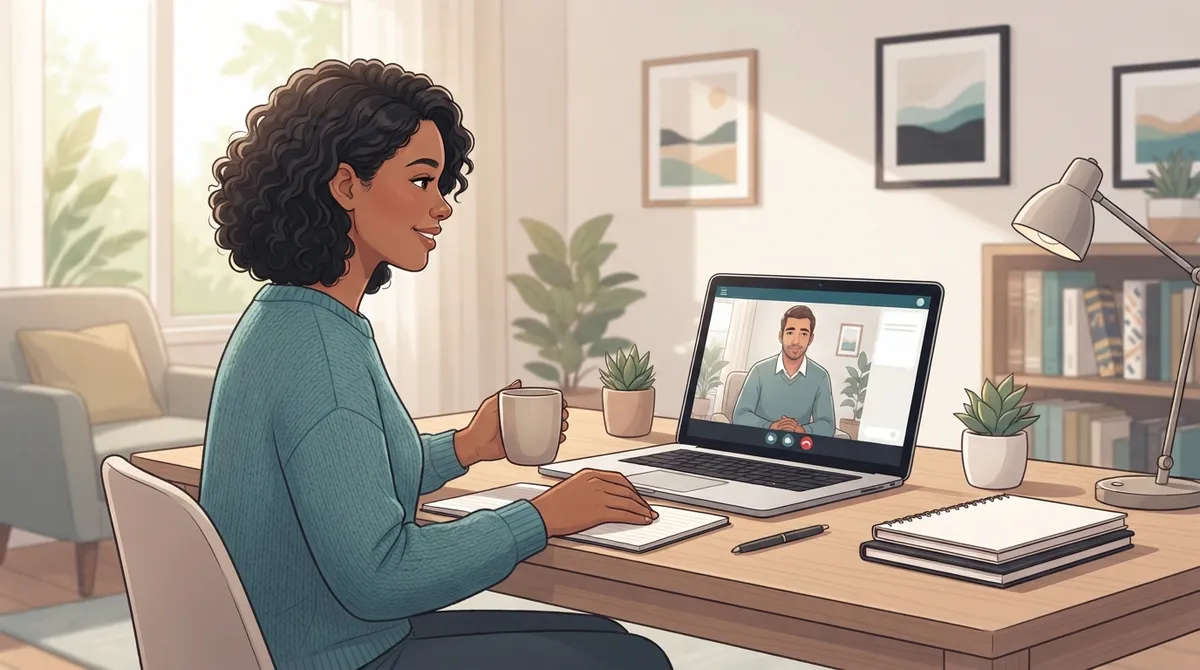
Virtual counseling, also called teletherapy, means meeting with a licensed mental health professional through a secure video session instead of sitting in an office. You talk, you listen, and you work on your goals together, just from a place that feels comfortable to you.
Florida law treats this kind of care seriously. Florida’s statutes describe telehealth as using telecommunications to assess, diagnose, and treat behavioral health conditions. Providers must follow the same professional standards and scope-of-practice rules that apply to in-person care.
If you live in Brandon, you have options. Some clinicians are based locally and offer online sessions. Others work online only and serve clients anywhere in Florida. If you’d like a deeper walkthrough, our guide on how virtual counseling works in Brandon, Florida covers the basics step by step.
Who Tends to Love Online Therapy
Virtual sessions can be a great fit for many people. Here are a few who often benefit:
- Busy millennials juggling work, family, and long commutes
- Gen Z and young adults who feel more at ease in their own space
- Teens who are comfortable with technology (with a parent’s involvement and consent)
- Couples who want to attend together without arranging childcare or travel
- Spanish-speaking adults who want a bilingual therapist without a long search
Now let’s get to the mistakes, so you can sidestep them.
Mistake 1: Skipping the License Check
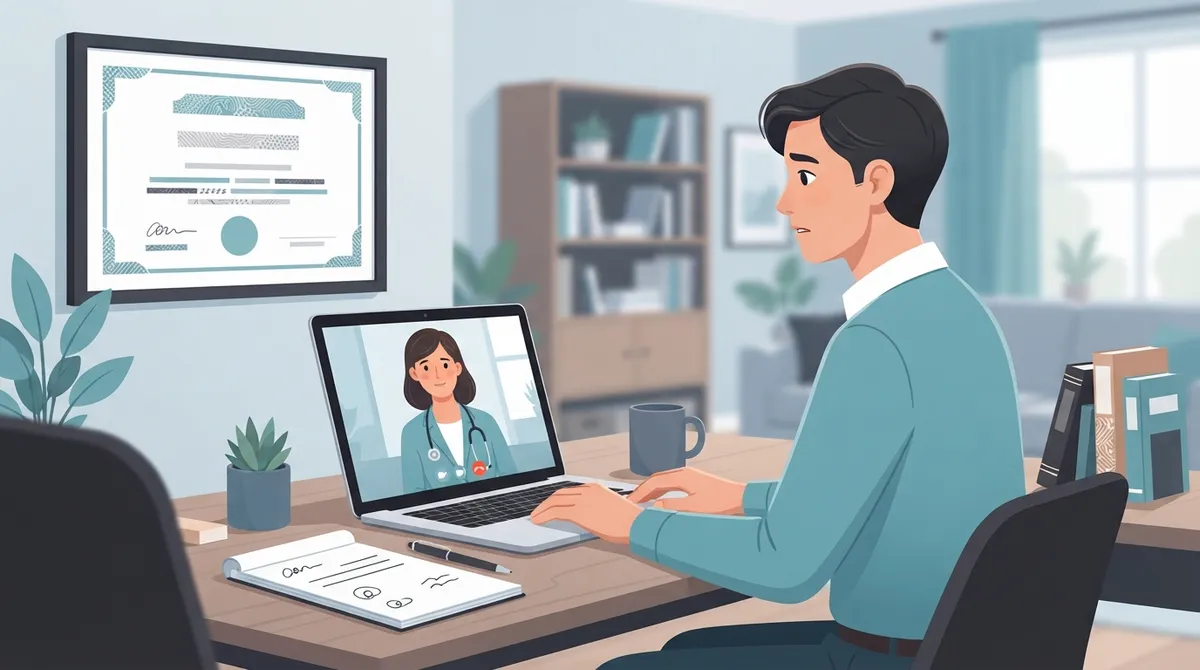
This is the big one. Not every person who offers “coaching,” “support,” or “counseling” online is a licensed mental health professional in Florida. Your mental health is too important to leave to guesswork.
Florida’s telehealth framework says a provider generally must be authorized to practice in Florida when serving a client who is located in Florida. Out-of-state providers can use Florida’s registration pathway if they’re eligible. In plain words: the person on your screen needs to be allowed to treat you where you live.
How to Verify a Therapist in 4 Easy Steps
- Ask for the clinician’s full name, license type, and license number.
- Look them up through the Florida Department of Health’s license search tool.
- Check that the license is active and that there are no concerns that worry you.
- Confirm they have experience with your specific concern, such as anxiety, trauma, or relationship stress.
A caring therapist will never be bothered by these questions. In fact, good ones welcome them. At West Florida Therapy, Margaret Deuerlein is a licensed psychotherapist who is happy to talk through her background and approach during a free 15-minute consultation.
Want more help with this step? Our article on mistakes to avoid when choosing a licensed therapist in Brandon goes even deeper.
Mistake 2: Ignoring Privacy and Your Setup
Picture this: you’re in the middle of a tender moment in your session, and your roommate walks in asking where the chips are. Oof. Privacy matters just as much online as it does in an office.
Florida Board guidance says clinicians should keep confidential records and take care with client information. But your part counts too. A good setup helps you open up and feel safe.
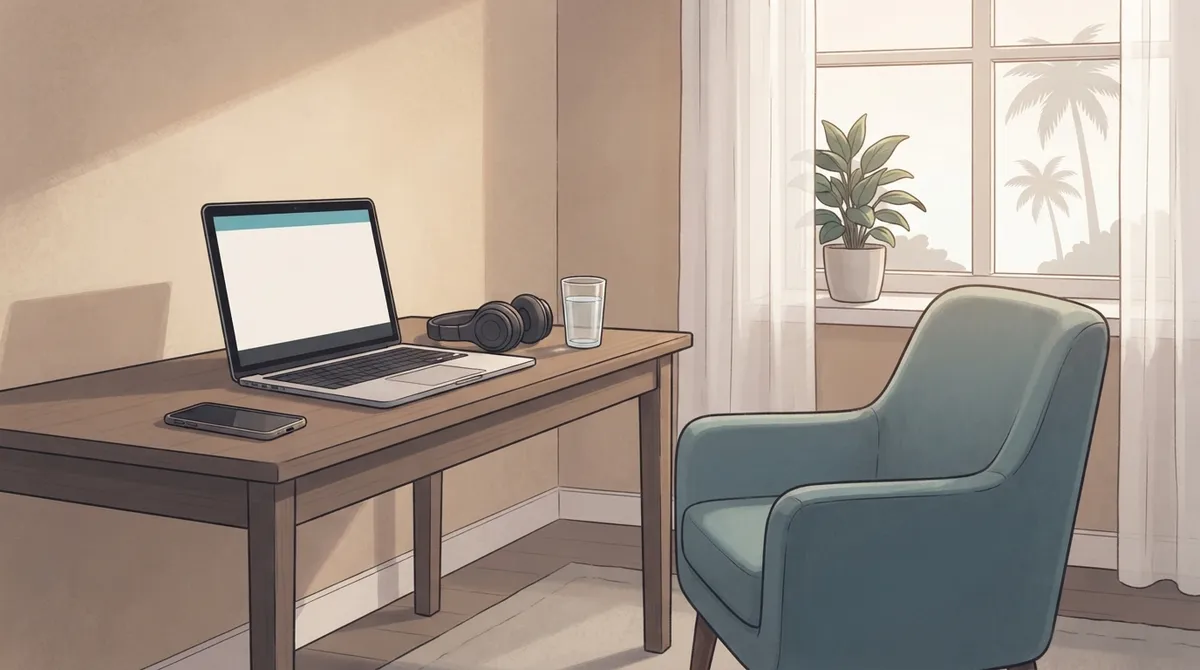
Quick Setup Checklist
- Find a private space. A bedroom, a parked car, or even a quiet corner works.
- Use headphones. They help you hear better and keep your words more private.
- Test your tech. Check your camera, microphone, and internet before the session starts.
- Silence your phone. Notifications pull you out of the moment.
- Keep tissues and water nearby. Therapy can stir up feelings, and that’s okay.
Teens and parents, this one’s for you too. If a teen is doing virtual sessions at home, work together to find a spot where your teen feels free to speak honestly. Our guide to virtual therapy for adolescents in Brandon shares more tips for families.
Mistake 3: Assuming Online Therapy Is Right for Every Situation
Here’s a fact that might surprise you in an article about virtual counseling: sometimes it isn’t the best fit, and that’s perfectly fine. A good provider will tell you so.
Florida Board guidance says clinicians should assess whether telehealth is appropriate for each client. They should also get and document written informed consent, verify your identity and location, and plan for local crisis resources. If remote care isn’t suitable, a clinician may refer you to in-person care.
When Virtual Works Well vs. When In-Person May Help More
| Situation | Virtual Sessions | In-Person Sessions |
|---|---|---|
| Everyday anxiety, stress, or low mood | Often a great fit | Also a great fit |
| Busy schedule or hard-to-reach location | Very convenient | Requires travel |
| No private space at home | Can be tricky | Often easier |
| Unstable internet or tech trouble | May interrupt sessions | No tech needed |
| Higher-risk or crisis situations | May need extra safety planning | Often preferred |
| Teens who open up better face to face | Depends on the teen | May feel more natural |
The takeaway? Don’t force a format that doesn’t fit. West Florida Therapy offers both in-person therapy in Brandon and telehealth therapy across Florida, so you can choose what feels right and even switch later. Not sure which way to lean? Read our comparison of in-person vs. telehealth therapy in Brandon.
A Quick Safety Note
Virtual counseling is not an emergency service. If you or someone you love is in immediate danger, call 911 or go to the nearest emergency room. In the U.S., you can also call or text 988 any time if you’re experiencing a mental health crisis. Your therapist should also talk with you about a crisis plan, including local resources, at the start of care. You can find helpful state resources through the Florida Department of Health mental health links.
Mistake 4: Skipping the Money and Fit Questions
Nobody wants a surprise bill. And nobody wants to spend weeks with someone who doesn’t feel right. Both problems are easy to avoid if you ask a few questions up front.
Questions to Ask Before You Book
- Are you licensed in Florida, and what are your credentials?
- Do you have experience with my concern (anxiety, trauma, depression, relationship stress)?
- What is your session fee, and what is your cancellation policy?
- Do you take my insurance, and do you cover telehealth visits?
- How do you protect my privacy during video sessions?
- What happens if I have an urgent need between sessions?
- Do you offer sessions in Spanish if I prefer that?
Understanding Costs and Coverage
Coverage varies a lot. Florida Medicaid covers eligible telehealth services, including behavioral health, subject to program rules and provider participation. For private insurance, coverage and cost-sharing depend on your plan, so it’s smart to call your insurer and your provider to confirm your benefits.
At West Florida Therapy, clients can pay out of pocket, using major credit cards, HSA, or FSA accounts. Many people like out-of-pocket care for added privacy and flexibility. The practice is also in-network with several major insurance companies, including Aetna, Cigna, Florida Blue, Optum, Oscar, and United Health Care. Always verify your own benefits, copays, and deductible with your carrier. You can read more on our payment options page, and our guide on whether therapy is covered by insurance answers many common questions.
What a Good Virtual Counseling Journey Looks Like
Once you avoid those four mistakes, what should you expect? Starting therapy can feel overwhelming, but it doesn’t have to be. Here’s a simple picture of how the process often unfolds at West Florida Therapy.
- Start with a conversation. You begin with a free 15-minute phone consultation. You can share your concerns and goals, ask questions, and see if the fit feels right.
- Build your personalized plan. Together, you and your therapist create a plan based on your unique experiences and goals.
- Get consistent support. You meet weekly or every other week, in person or by telehealth. Each session builds on the last.
- Track progress and adjust. Your therapist checks in on how you’re doing, celebrates growth, and adjusts the plan when needed.
Curious about the first visit? Here’s a friendly look at what to expect at your first therapy session, plus tips on how to prepare for your therapy appointment.
What Can Virtual Counseling Help With?
Teletherapy can support many everyday struggles. People in Brandon and across Florida often seek online help for:
- Anxiety and panic. Learn tools to calm racing thoughts and tight chests. See our page on anxiety treatment.
- Depression and low motivation. Explore depression treatment that helps you feel like yourself again.
- Trauma and painful memories. Our trauma therapy offers gentle, steady support.
- Relationship stress. Couples can work on talking, listening, and reconnecting through couples therapy.
- Life changes and stress. Big transitions at work, home, or school can feel heavy. Therapy offers a place to sort it all out.
Women often reach out for support with anxiety, depression, and overwhelm, and young adults aged 18 to 26 often lead the way in seeking help. If that’s you, please know that reaching out is a strength, not a weakness. For more on how and when to start, see when you should seek therapy in Brandon, Florida.
Bilingual Support for Spanish-Speaking Adults
Talking about your feelings is hard enough. Doing it in a second language can make it even harder. West Florida Therapy offers bilingual services in English and Spanish, so you can express yourself in the language that feels most natural. Learn more in our guide on how to find a Spanish-speaking therapist in Brandon, FL.
Is Online Therapy as Helpful as In-Person?
This is one of the most common questions people ask. The honest answer is that the connection between you and your therapist matters most, whether you meet on a screen or in an office. Many people do very well online, especially when they have a private space and a good tech setup.
Online therapy can cut down travel time, ease scheduling stress, and let you attend from home. It also needs reliable internet and privacy. If those two things are in place, virtual counseling can be a strong choice. For general mental health information, the CDC’s mental health resources are a helpful place to learn more.
You can also find state-level support through Florida’s substance abuse and mental health services if you need additional community resources.
Your Next Step Toward Feeling Better
Choosing virtual counseling in Brandon, FL doesn’t have to be stressful. Check the license, protect your privacy, pick the right format, and ask smart questions about cost and fit. Do those four things, and you’re already ahead of the game.
You don’t have to keep carrying the weight of anxiety, trauma, or pain alone. Real change is possible, and it starts with one courageous step. West Florida Therapy serves clients in person in Brandon and virtually across Florida, with bilingual care available. If you’d like to see what others say, visit our West Florida Therapy page on Google and read client reviews.
Ready when you are. Contact us today to book your free 15-minute consultation with Margaret Deuerlein, and take that next step toward feeling like yourself again.
FAQs
Q: How does virtual counseling work in Brandon, Florida?
A: You meet with a licensed therapist through a secure video session from a private spot, like your home. You’ll go over consent forms, share your goals, and build a plan together, just like you would in an office. It’s a simple way to get support without the drive!
Q: Can I see a therapist online if I live in Brandon, FL?
A: Yes, you can! Florida law says the provider generally needs to be authorized to practice in Florida when you’re located here. West Florida Therapy offers telehealth throughout Florida and in-person visits in Brandon, so you can pick what feels best.
Q: Does insurance or Florida Medicaid cover virtual counseling?
A: Florida Medicaid covers eligible telehealth services, including behavioral health, based on program rules and provider participation. Private insurance coverage depends on your plan, so call your insurer and your provider to confirm your benefits, copays, and deductible before you start.
Q: What should I do if I need urgent help during or between virtual sessions?
A: Virtual counseling is not an emergency service. If you’re in immediate danger, call 911 or go to the nearest emergency room, and in the U.S. you can call or text 988 for a mental health crisis. Your therapist can also help you make a crisis plan ahead of time.
Q: Is online counseling as effective as in-person therapy?
A: For many people, yes, especially when they have a private space and reliable internet. The bond with your therapist matters most. If virtual care doesn’t feel right, a good provider will happily help you switch to in-person sessions.