
Key Takeaways
-
Get a complete blood count (CBC) test if depression treatment isn't working—the American College of Physicians recommends screening for anemia in all depression cases, as untreated anemia may be the missed root cause.
-
People with anemia are twice as likely to develop clinical depression, and older adults with untreated anemia face 2.6 times higher depression risk, making screening especially critical for these high-risk groups.
-
Anemia reduces oxygen to your brain, disrupting neurotransmitter production (serotonin, dopamine) and throwing off cortisol and melatonin levels, which directly triggers depressive symptoms and sleep problems.
-
Depression and anemia create a harmful cycle: depression causes inflammation that impairs iron absorption, while poor eating habits from depression worsen nutritional deficiencies—breaking this requires treating both physical and emotional aspects together.
-
Even after iron levels normalize, combine medical treatment with therapy, as emotional patterns and thought habits often persist and require professional support for lasting recovery.
-
High-risk groups include women of childbearing age, older adults, people with restrictive diets, and those with chronic inflammatory conditions—proactive screening and early treatment can prevent depression onset in these populations.
Feeling exhausted, sad, and foggy all the time? You might blame stress or a bad week. But sometimes the answer is hiding in your blood, not just your mind. Anemia and depression are linked more closely than most people realize, and understanding this connection could change how you approach your own healing journey.
If you have been fighting depression that will not budge, no matter what you try, this article is for you. We will walk through the science, the symptoms, and what steps you can take next. And if you are in Florida and need extra support, know that caring help is always nearby.
What Is the Real Connection Between Anemia and Depression
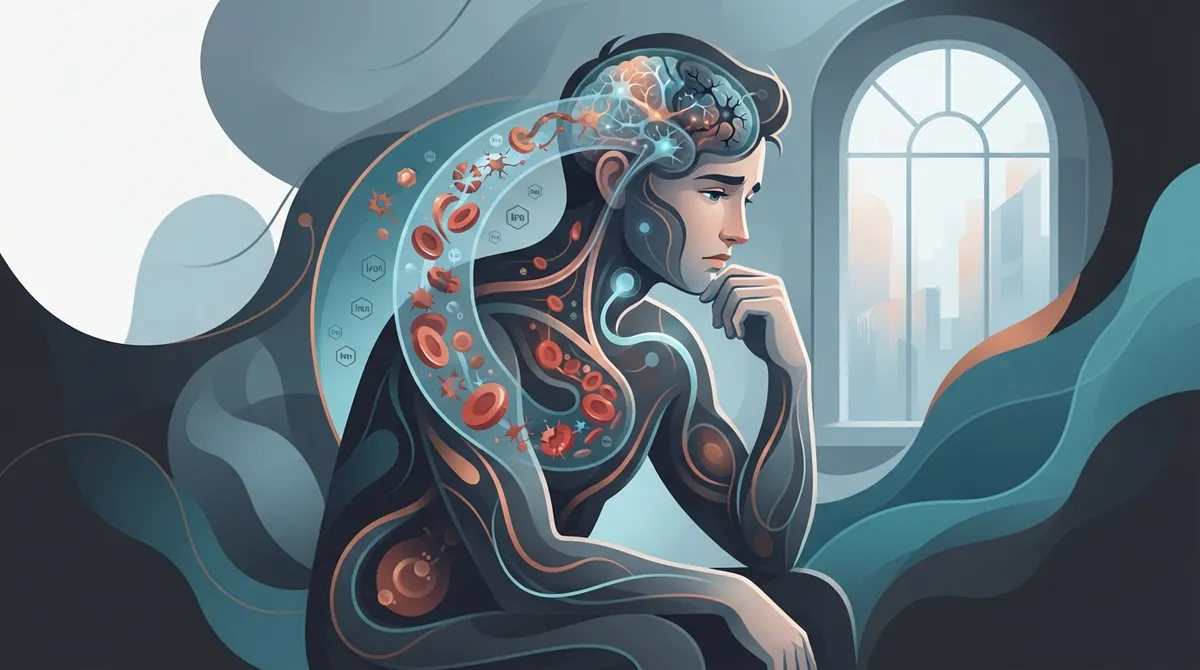
Anemia happens when your body does not have enough healthy red blood cells. These cells carry oxygen to your brain and body. When oxygen levels drop, your brain simply cannot function at its best.
This is not just a coincidence. Research shows the anemia and depression relationship goes both ways. Low iron can trigger depression, and depression can make anemia worse. It is a frustrating cycle that many people do not know they are stuck in.
How Anemia Triggers Depressive Symptoms
When your brain does not get enough oxygen, it struggles to make and use important chemicals called neurotransmitters. These include serotonin and dopamine, the same chemicals connected to mood regulation. Without enough of them, sadness, low motivation, and hopelessness can creep in.
Iron deficiency can also throw off your cortisol levels, which raises anxiety. It messes with melatonin too, which explains why so many people with anemia struggle to sleep well at night. Poor sleep and high anxiety together create the perfect storm for depression to take hold.
How Depression Can Lead to Anemia
The connection runs both directions. Depression often causes inflammation in the body. This inflammation can interfere with how your body absorbs and uses iron. On top of that, people struggling with depression often eat poorly or skip meals altogether, which leads to nutritional gaps over time.
This creates a loop. Depression makes anemia worse, and anemia makes depression worse. Breaking this cycle usually requires addressing both the physical and emotional sides at once, something a skilled psychotherapist can help guide you through.
The Numbers Behind Anemia and Depression
The statistics on this connection are striking. Here is what the research tells us:
- People with anemia are about twice as likely to develop clinical depression compared to those with normal iron levels.
- A large meta-analysis found a 1.43 times higher risk of adult depression linked to low hemoglobin.
- Nearly 36 percent of people with anemia also experience depression symptoms.
- Depression rates are highest in sickle cell anemia patients, at 42 percent, compared to 35 percent in Thalassemia and 20 percent in iron deficiency anemia.
- Adults with iron-deficiency anemia are almost twice as likely to screen positive for major depressive disorder.
- Older adults with untreated anemia face a 2.6 times higher chance of depression compared to those without anemia.
These numbers are not meant to scare you. They are meant to show you that what you are feeling is real, and it has a physical basis that can be addressed.
Depression Prevalence Across Types of Anemia
| Type of Anemia | Depression Prevalence |
|---|---|
| Sickle Cell Anemia | 42% |
| Thalassemia | 35% |
| Iron Deficiency Anemia | 20% |
As you can see, the type of anemia matters. But no matter which type you have, the mental health impact deserves attention and care.
Symptoms That Overlap Between Anemia and Depression
One of the trickiest parts of this connection is how similar the symptoms can look. This is why so many people go undiagnosed for months or even years.
- Constant fatigue that does not improve with rest
- Trouble concentrating or foggy thinking
- Low motivation and lack of interest in daily activities
- Irritability or mood swings
- Sleep problems, including insomnia or oversleeping
- Feelings of sadness or hopelessness
- Physical weakness or heaviness in the body
Because these symptoms overlap so much, it is easy to assume someone is only dealing with depression when anemia is playing a bigger role than anyone realized. This is exactly why blood work matters as part of a complete mental health evaluation.
Why Screening Matters So Much
The American College of Physicians recommends a complete blood count, known as a CBC, for anyone presenting with depression symptoms. This simple blood test can reveal whether anemia is contributing to how someone feels.
Skipping this step can lead to months of treatment that never gets to the root cause. If you have tried therapy or medication before without much change, it might be worth asking your doctor for bloodwork before assuming nothing will help.
Steps to Take If You Suspect Anemia Is Affecting Your Mood
If you are wondering whether anemia might be part of your struggle with mood issues, here is a simple path forward:
- Talk to your primary care doctor about getting a CBC blood test
- Share your mental health symptoms honestly, including sleep issues and fatigue levels
- Ask about iron, B12, and folate levels specifically
- Follow up on any treatment plan, whether that means supplements or dietary changes
- Pair physical treatment with emotional support through therapy
- Track your mood and energy over time to see what improves
Correcting a nutritional deficiency can sometimes resolve depression symptoms entirely, especially when the depression was largely driven by the anemia itself. This does not always mean avoiding therapy altogether. Many people benefit from combining both approaches for lasting change.
Why Combining Physical and Mental Health Care Works Best
Even when iron levels return to normal, some emotional patterns and thought habits stick around. This is where therapy becomes so valuable. Working through depression treatment with a licensed provider helps you build coping skills that outlast any physical treatment alone.
Margaret Deuerlein at West Florida Therapy understands how physical health and mental health intertwine. She takes a caring, whole-person approach to therapy, helping clients understand what is happening in their bodies while also working through the emotional weight of depression. You can learn more about her approach on the About Margaret Deuerlein page.
Who Is Most at Risk for This Connection
Certain groups face a higher risk of experiencing both anemia and depression together. Knowing if you fall into one of these categories can help you stay proactive about your health.
- Women of childbearing age, due to menstrual blood loss
- Older adults, especially those with chronic health conditions
- People with restrictive diets or eating disorders
- Individuals with chronic inflammatory conditions
- Pregnant women, due to increased iron demands
- People recovering from surgery or significant blood loss
Women in general report the anemia and depression link more often than men, which lines up with broader patterns showing mental health struggles are more commonly reported and treated among women.
Older Adults Deserve Extra Attention
Roughly 6.7 percent of older adults report having anemia, and this population faces a much higher risk of depression when anemia goes untreated. In fact, treated anemia in older adults shows no meaningful difference in depression rates compared to those without anemia at all. This tells us clearly that treatment truly matters.
If you have an aging parent or loved one who seems more withdrawn or sad lately, it might be worth suggesting a simple blood test alongside any conversations about their emotional wellbeing.
How Therapy Supports Recovery Alongside Medical Treatment
Even after anemia is treated, some people continue to struggle with lingering sadness, anxiety, or low motivation. This is completely normal. Physical healing and emotional healing do not always happen on the same timeline.
Working with a therapist gives you tools to manage stress, process difficult emotions, and rebuild a sense of control over your life. At West Florida Therapy, therapy sessions are tailored to your specific situation, whether that means addressing mood issues, working through anxiety, or exploring how past experiences shape your current struggles through trauma therapy.
For couples navigating how one partner’s anemia and depression affects the relationship, couples therapy can help both partners understand what is happening and build stronger communication around it.
Options for Every Schedule and Comfort Level
Getting help does not require a major life disruption. West Florida Therapy offers flexible ways to fit therapy into your life:
- In-person sessions available in Brandon, Florida
- Telehealth therapy sessions throughout the entire state of Florida
- Bilingual services in both English and Spanish
- Individual sessions for adults and adolescents
- Couples sessions for partners working through shared challenges
You can explore telehealth therapy Florida options if traveling to an office does not fit your schedule. Many clients find virtual sessions just as effective and much more convenient.
Frequently Overlooked Lifestyle Factors
Beyond medical treatment and therapy, small daily habits can support both your iron levels and your mood. Consider these adjustments:
- Eating iron-rich foods like leafy greens, beans, and lean meats
- Pairing iron-rich meals with vitamin C to improve absorption
- Prioritizing consistent sleep schedules
- Reducing caffeine and alcohol, which can interfere with iron absorption
- Moving your body regularly, even with gentle walks
- Staying connected with supportive friends or family
These habits will not replace medical care, but they can support your overall recovery process alongside professional treatment. For more official guidance on nutrition and mental wellness, the Mental Health Resources from the CDC offer helpful, trustworthy information.
When to Reach Out for Professional Support
You do not need to wait until things feel unbearable to ask for help. If you notice any of these signs, it may be time to talk to someone:
- Fatigue that lasts more than two weeks despite rest
- Persistent sadness or loss of interest in things you once enjoyed
- Sleep disturbances that will not improve
- Difficulty concentrating at work or school
- Feeling disconnected from loved ones
The state of Florida also offers helpful resources through the Mental Health Links page and the Substance Abuse & Mental Health program, both of which can point you toward additional community support.
If you want to see what real clients have experienced, you can read West Florida Therapy reviews on Google by visiting our West Florida Therapy location on Google.
Final Thoughts on Healing From Anemia and Depression
You deserve to feel like yourself again. The link between anemia and depression is real, but it is also treatable. With the right combination of medical care and emotional support, many people find their energy, mood, and hope returning.
You do not have to figure this out alone. Margaret Deuerlein and the team at West Florida Therapy are here to walk alongside you, offering compassionate, whole-person care in Brandon and throughout Florida, whether in-person or online. Take the first step today and reach out to schedule your free consultation. Your healing journey can start with a single conversation.
FAQs
Q: Can iron deficiency cause depression without anemia?
A: Yes, it absolutely can! Even before iron deficiency turns into full anemia, low iron levels can throw off your mood, sleep, and energy. Your brain needs iron to make important mood chemicals, so it makes sense that low levels can bring on depression symptoms even without a formal anemia diagnosis.
Q: What are the symptoms of anemia that mimic depression?
A: Fatigue, trouble concentrating, low motivation, and irritability show up in both conditions, which makes them easy to confuse. That is exactly why we recommend a simple blood test alongside any mental health check-in, so nothing important gets missed.
Q: Should mental health providers screen for anemia in depressed patients?
A: Many experts, including the American College of Physicians, strongly recommend it! A complete blood count is a quick, affordable way to rule out a physical cause for depression symptoms. It just makes good sense to check before assuming it is only emotional.
Q: Does iron supplementation improve depression symptoms?
A: For many people, yes, especially when the depression was largely driven by low iron levels in the first place. Some folks notice their mood lifting significantly once their iron levels return to normal, though pairing this with therapy often leads to the best, longest-lasting results.
Q: Can treating anemia resolve depression completely?
A: Sometimes it can, particularly when anemia was the main driver behind the depressive symptoms. But depression is often layered with emotional patterns too, so many people still benefit from talking with a caring therapist even after their bloodwork improves.